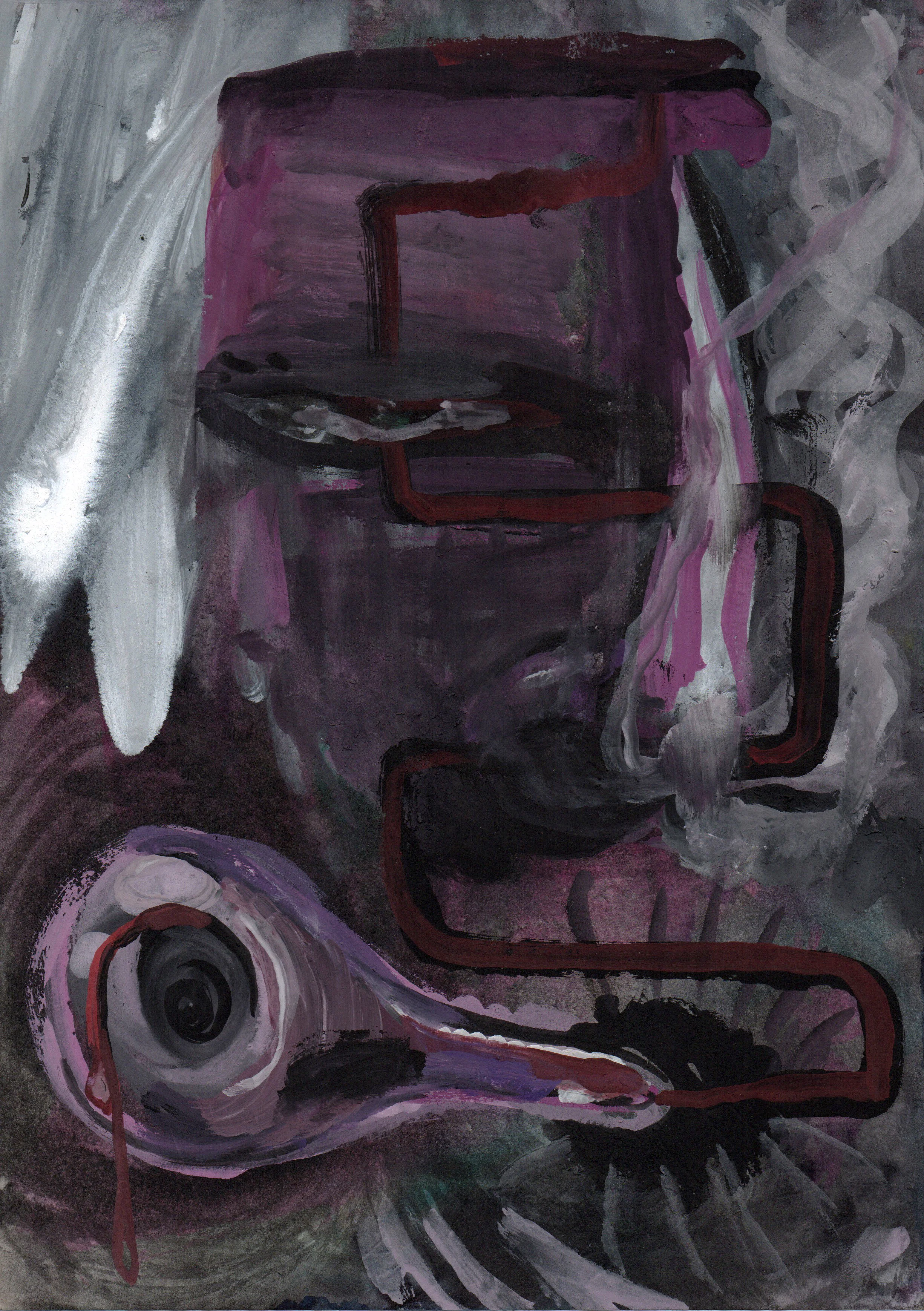
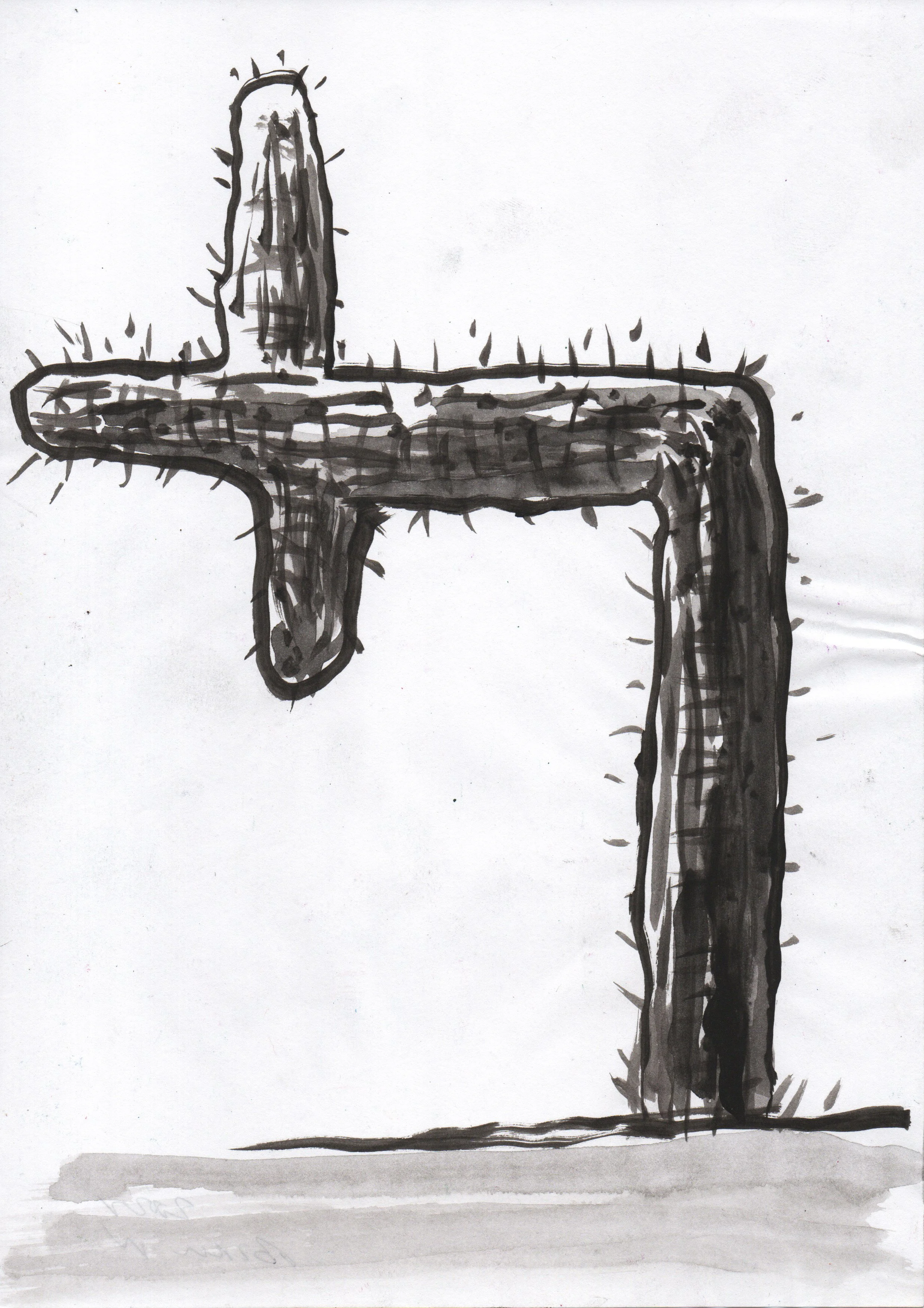
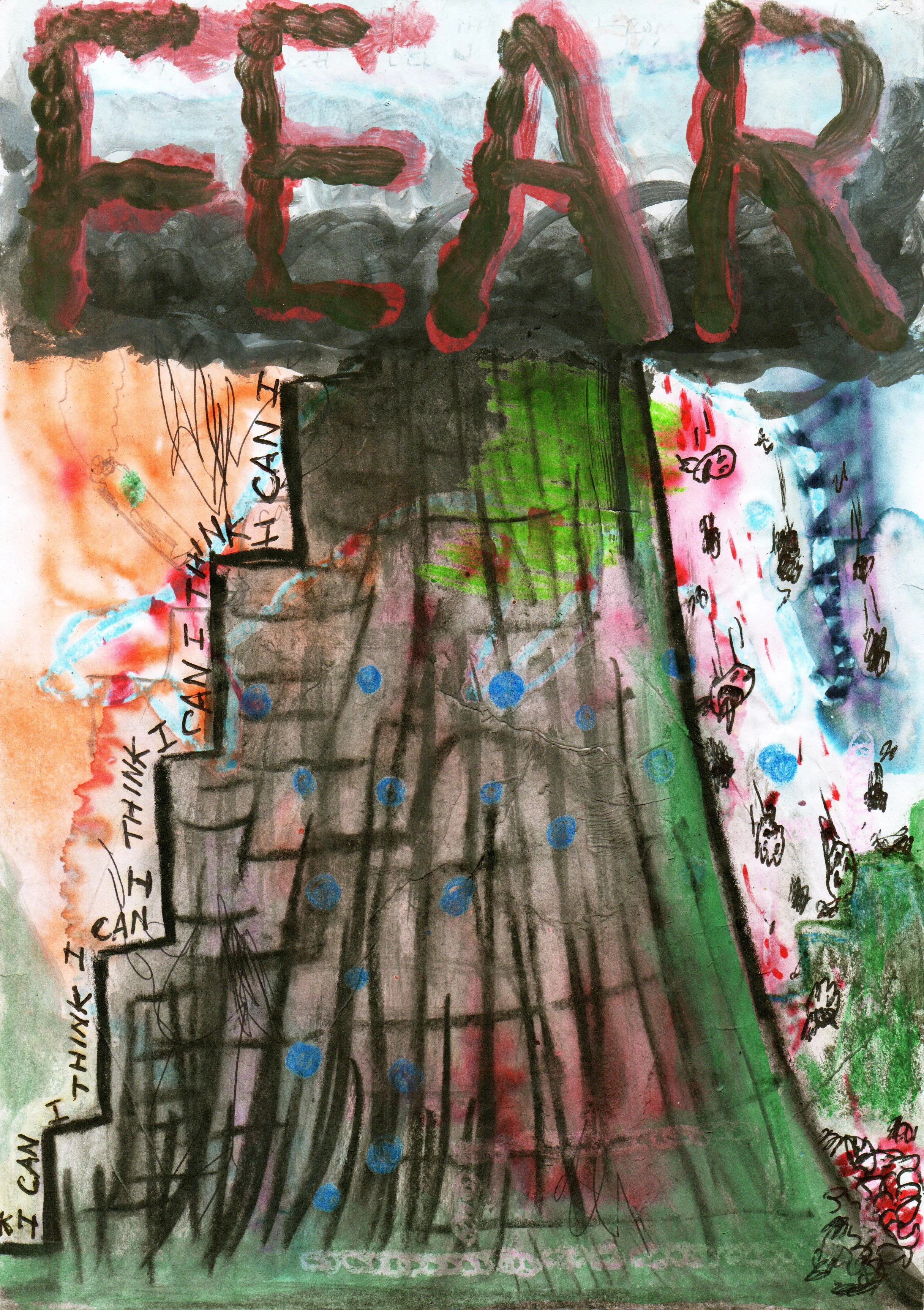
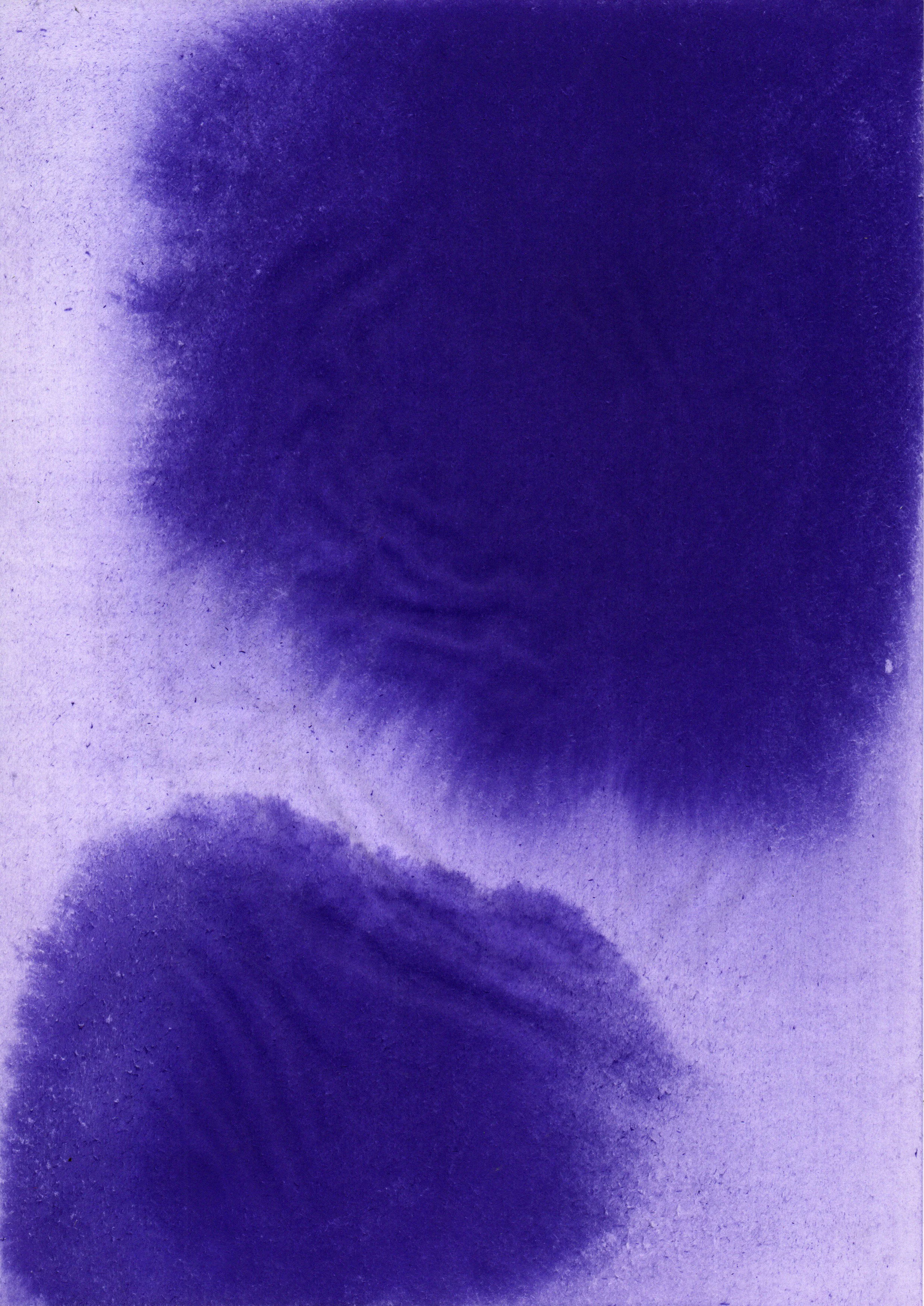
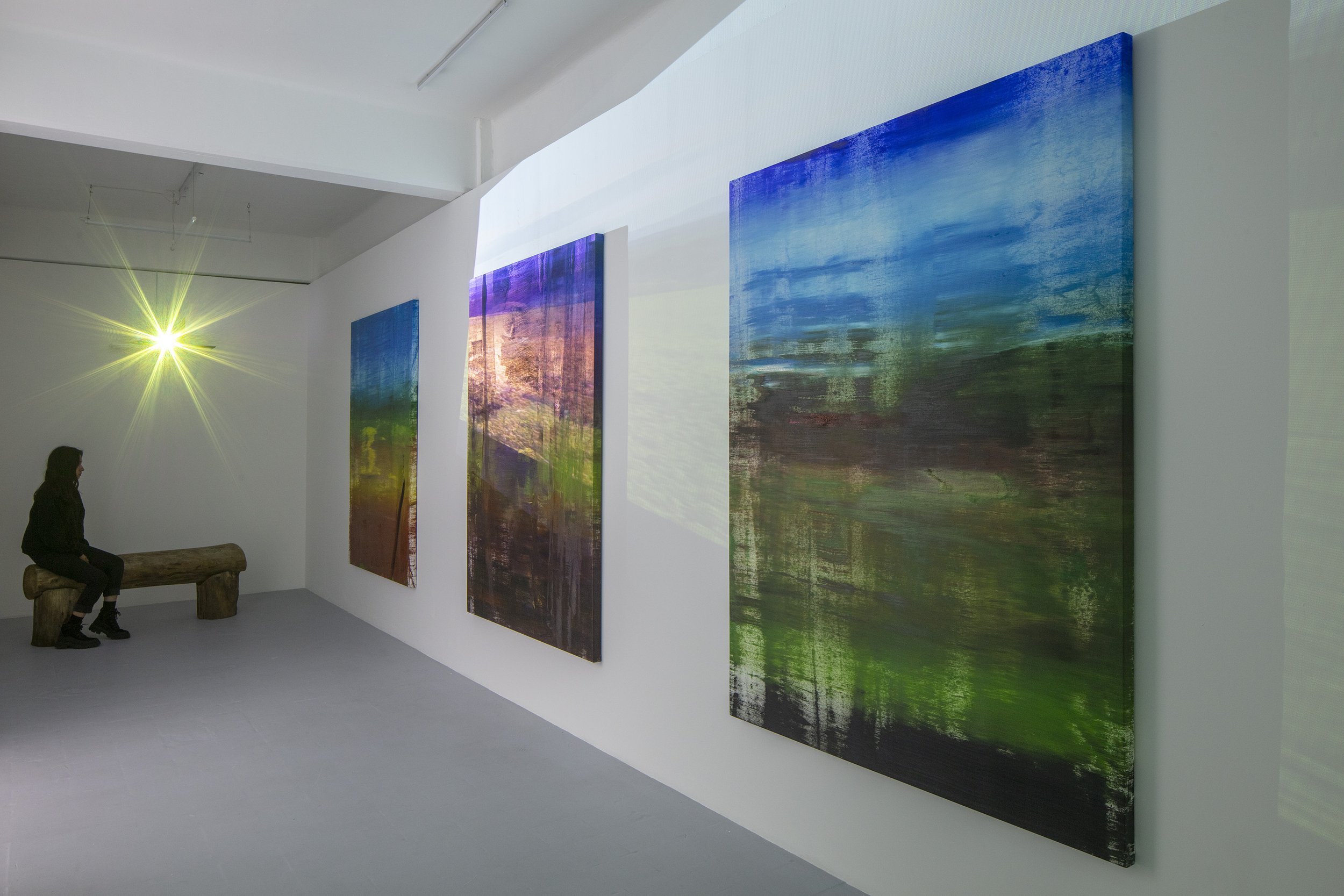
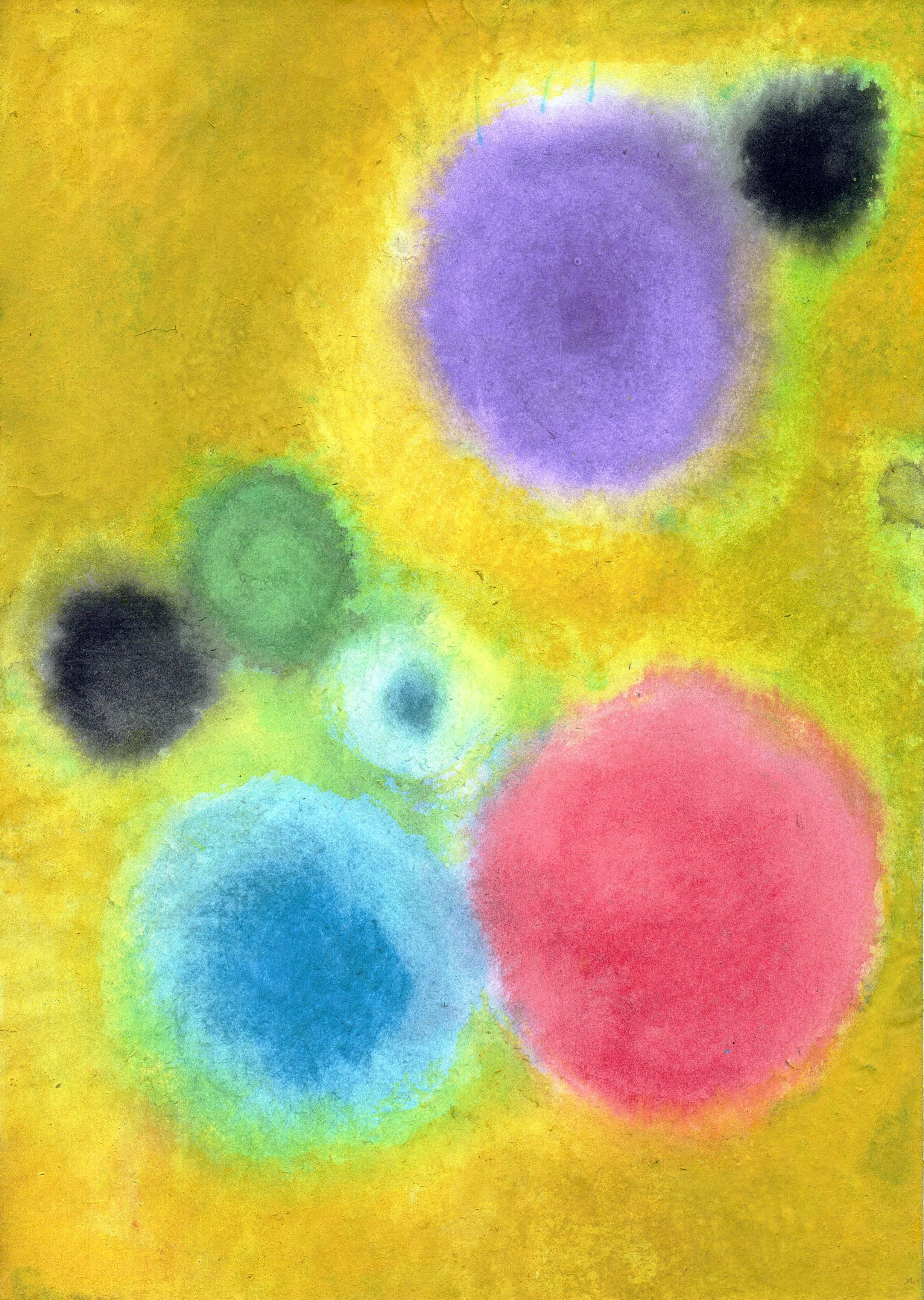
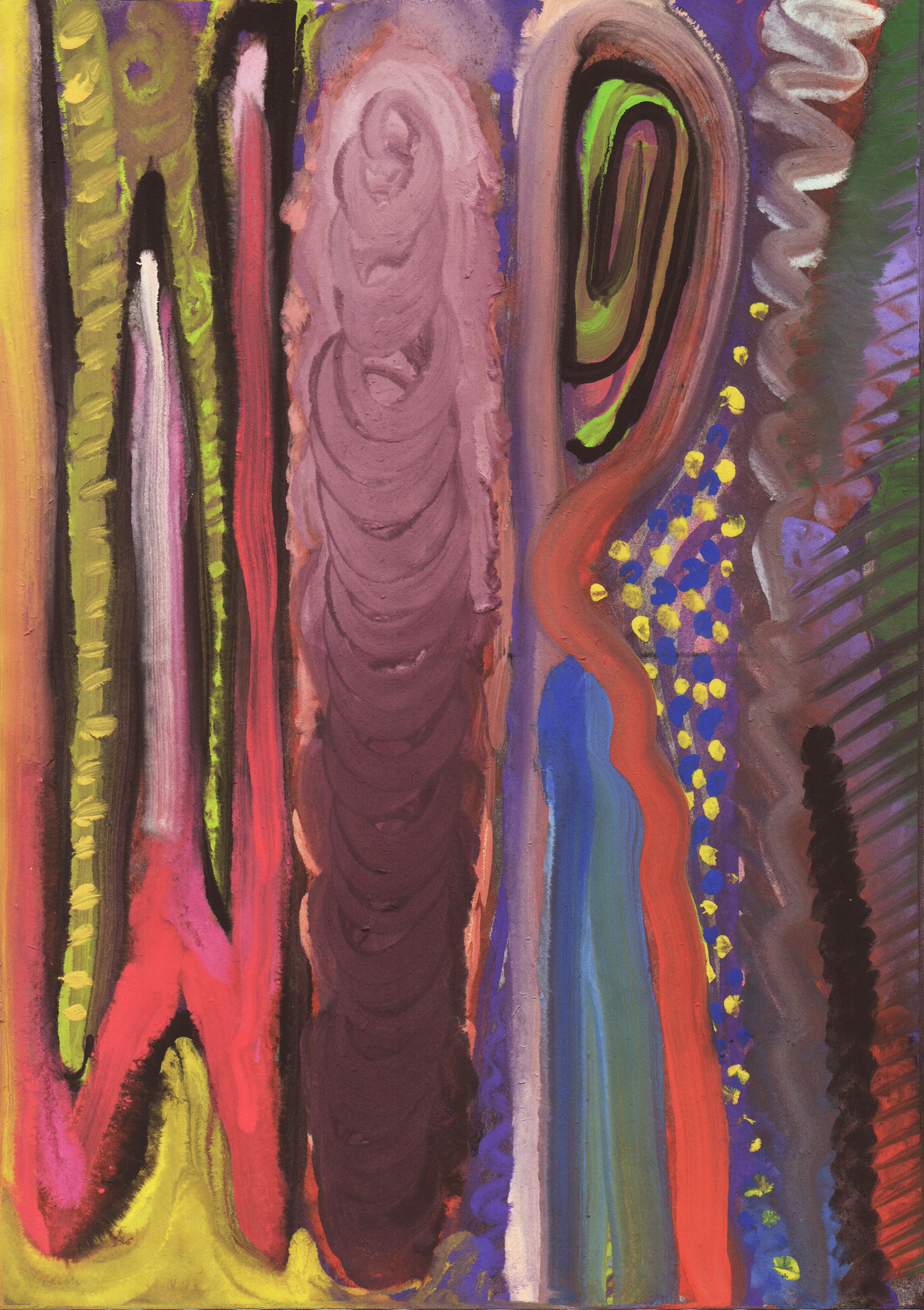
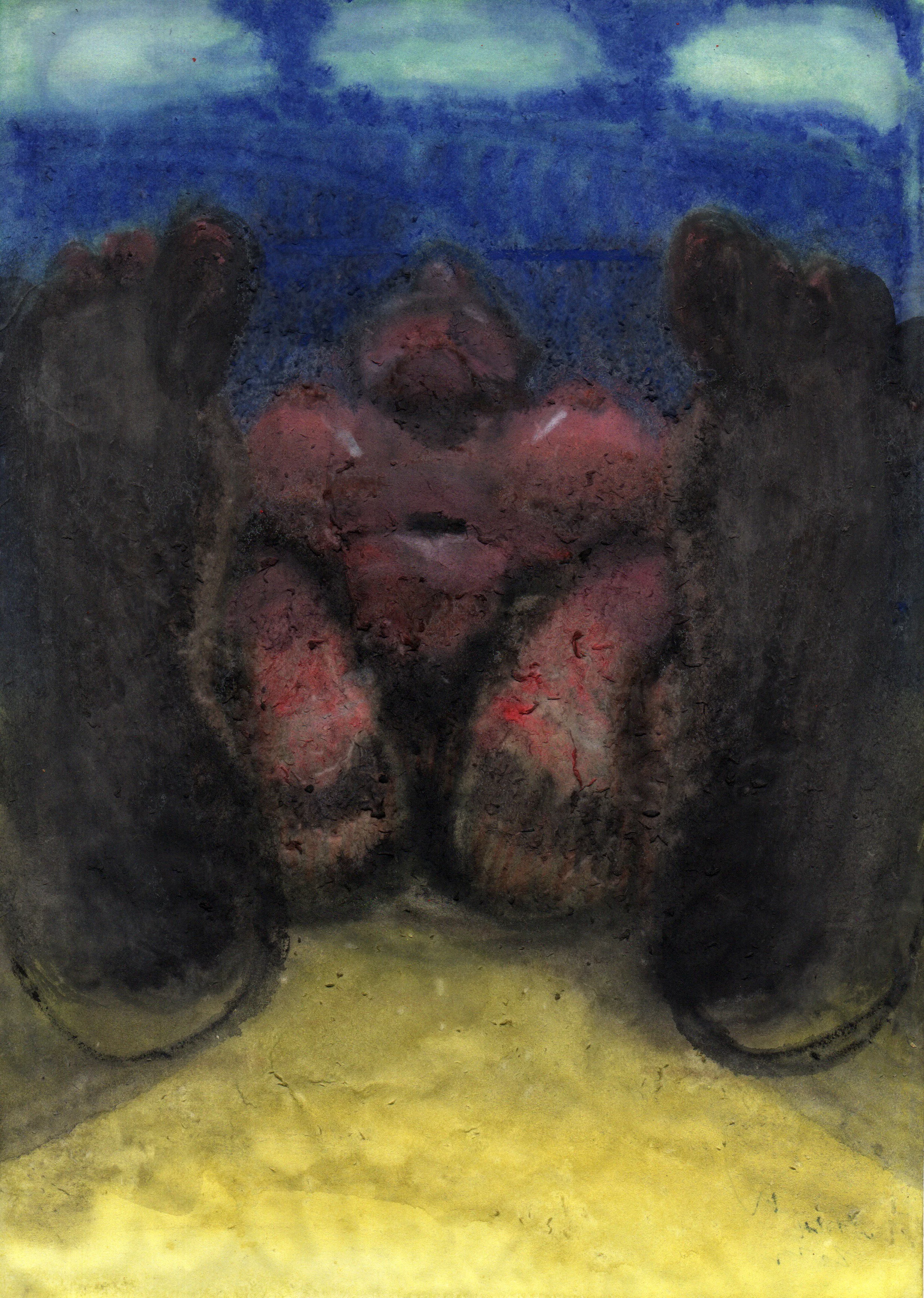
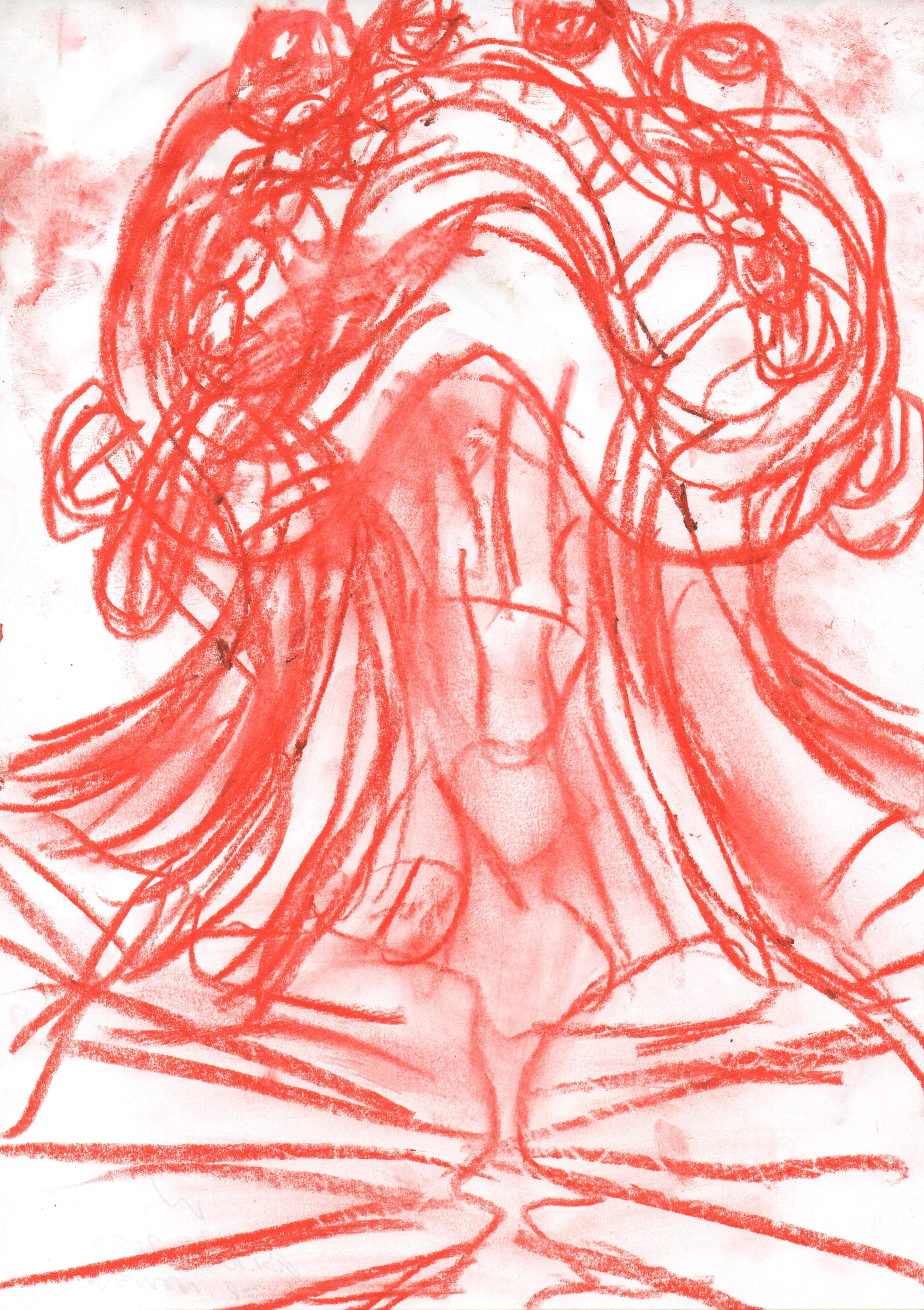
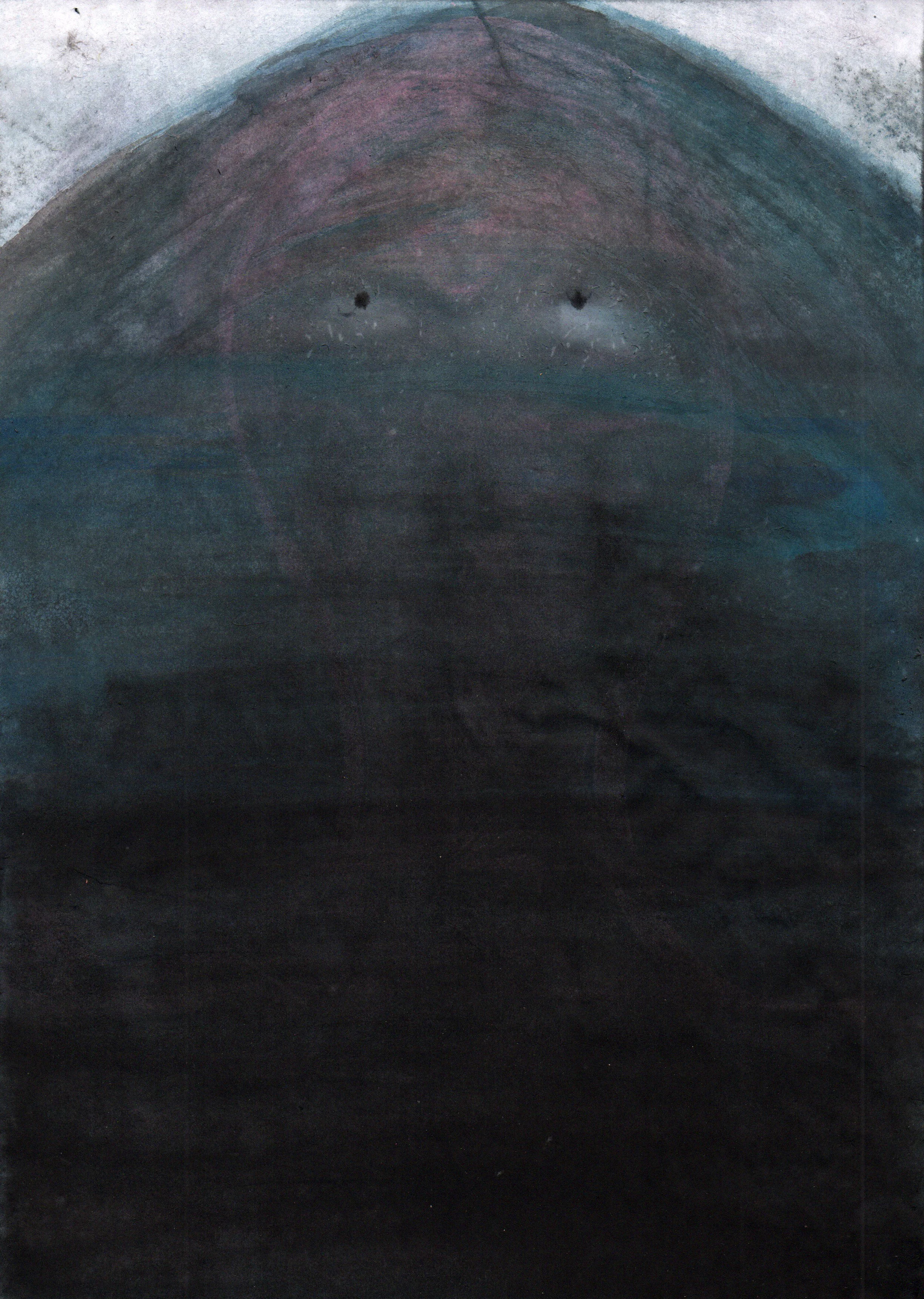
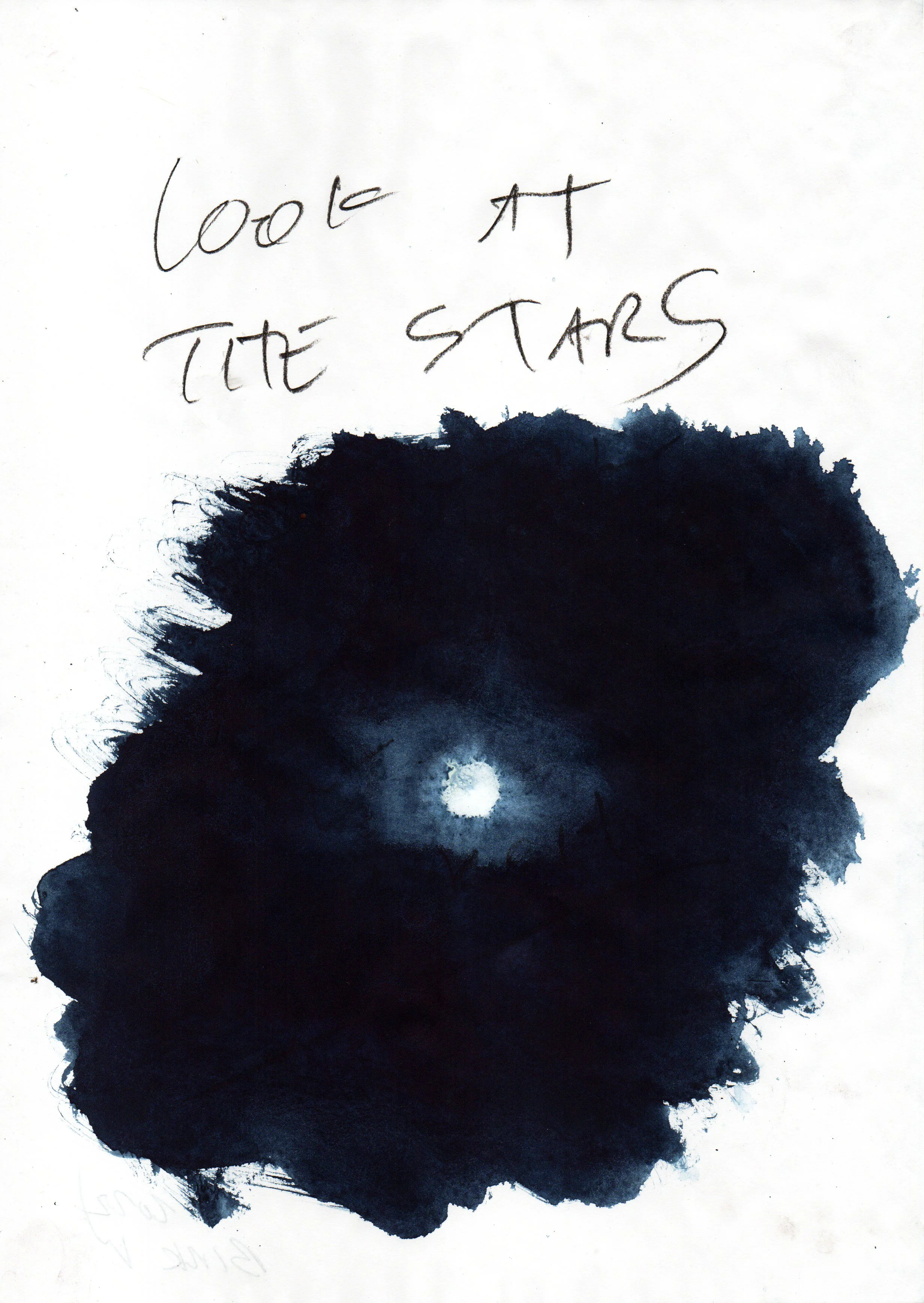
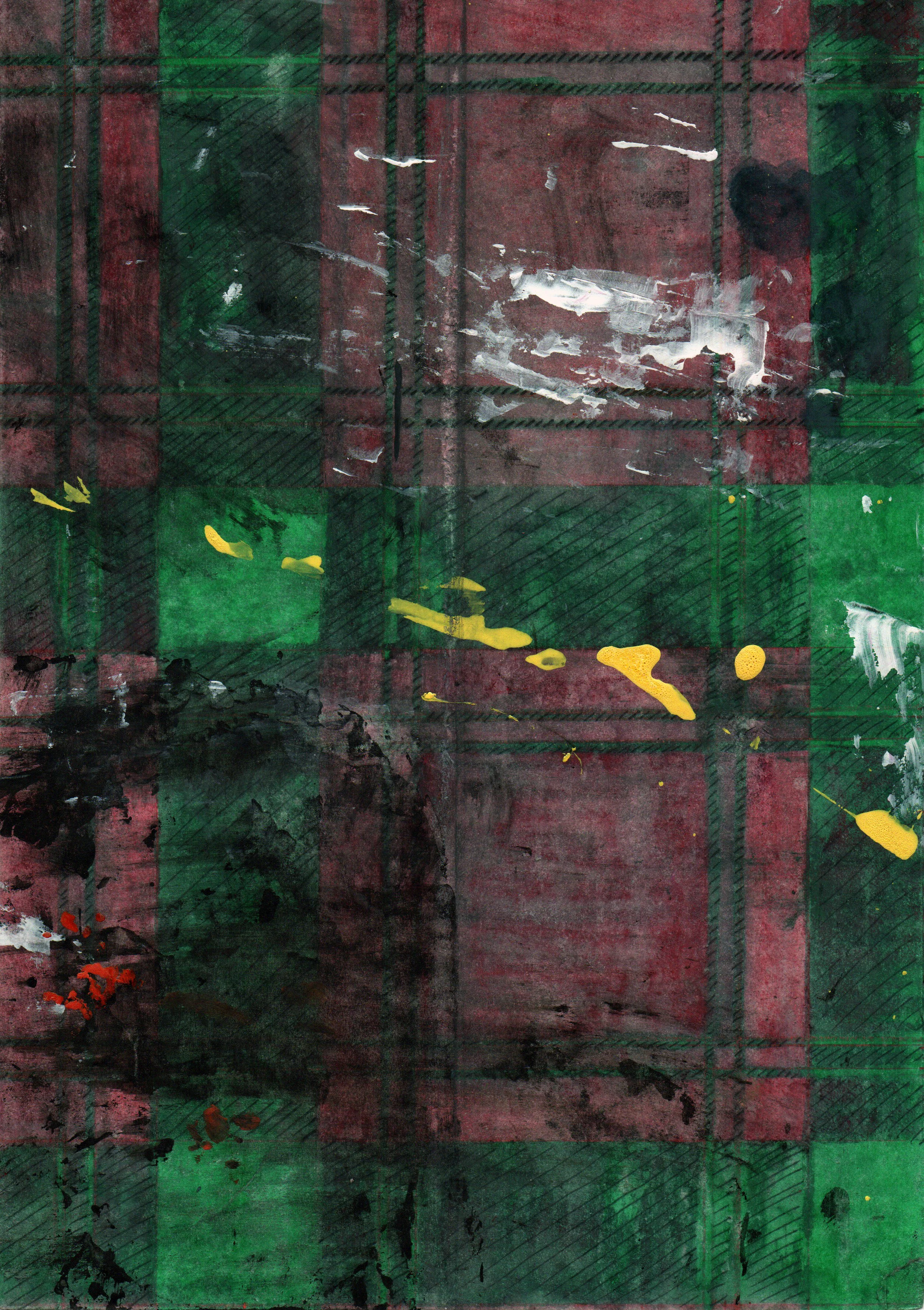
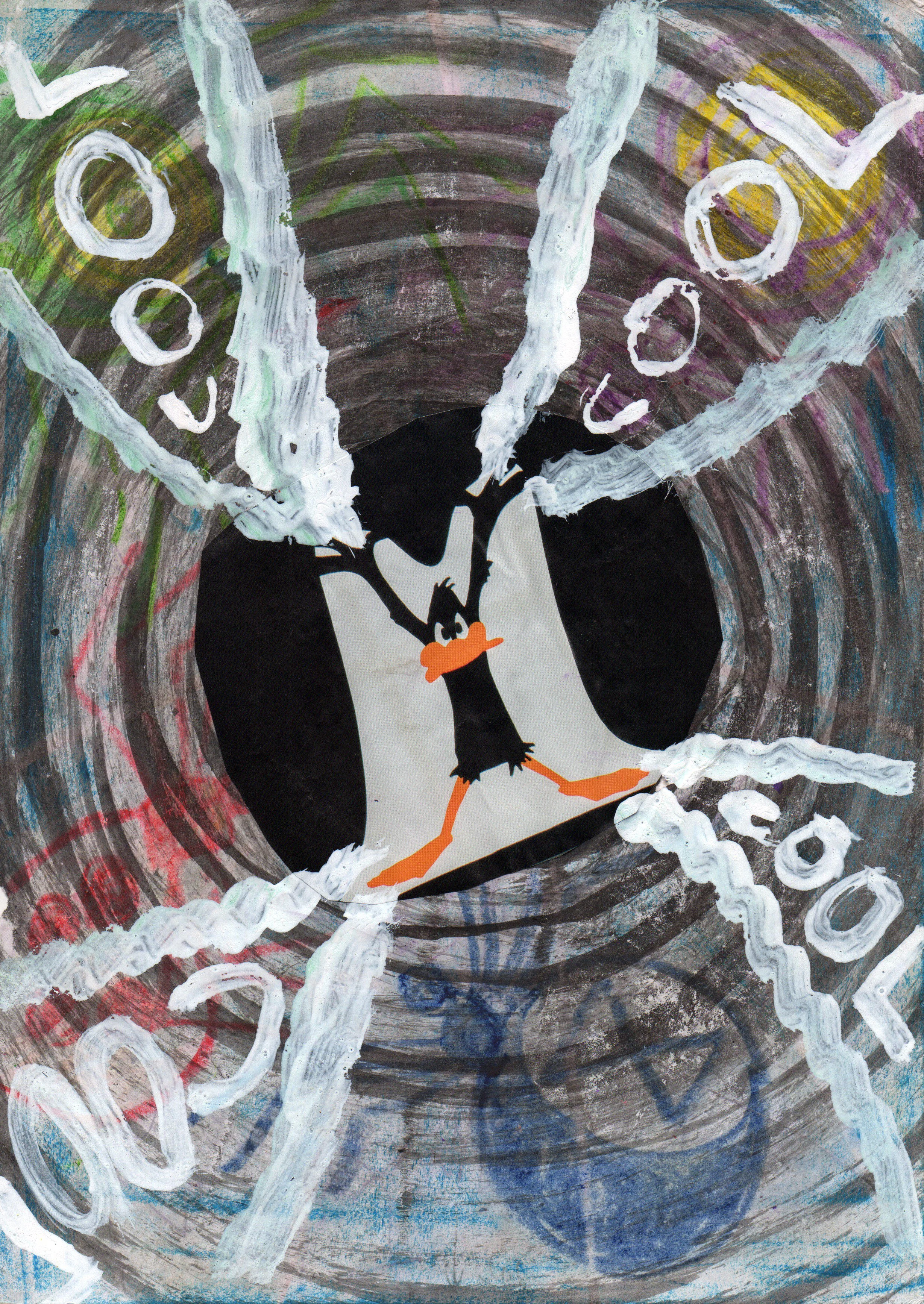
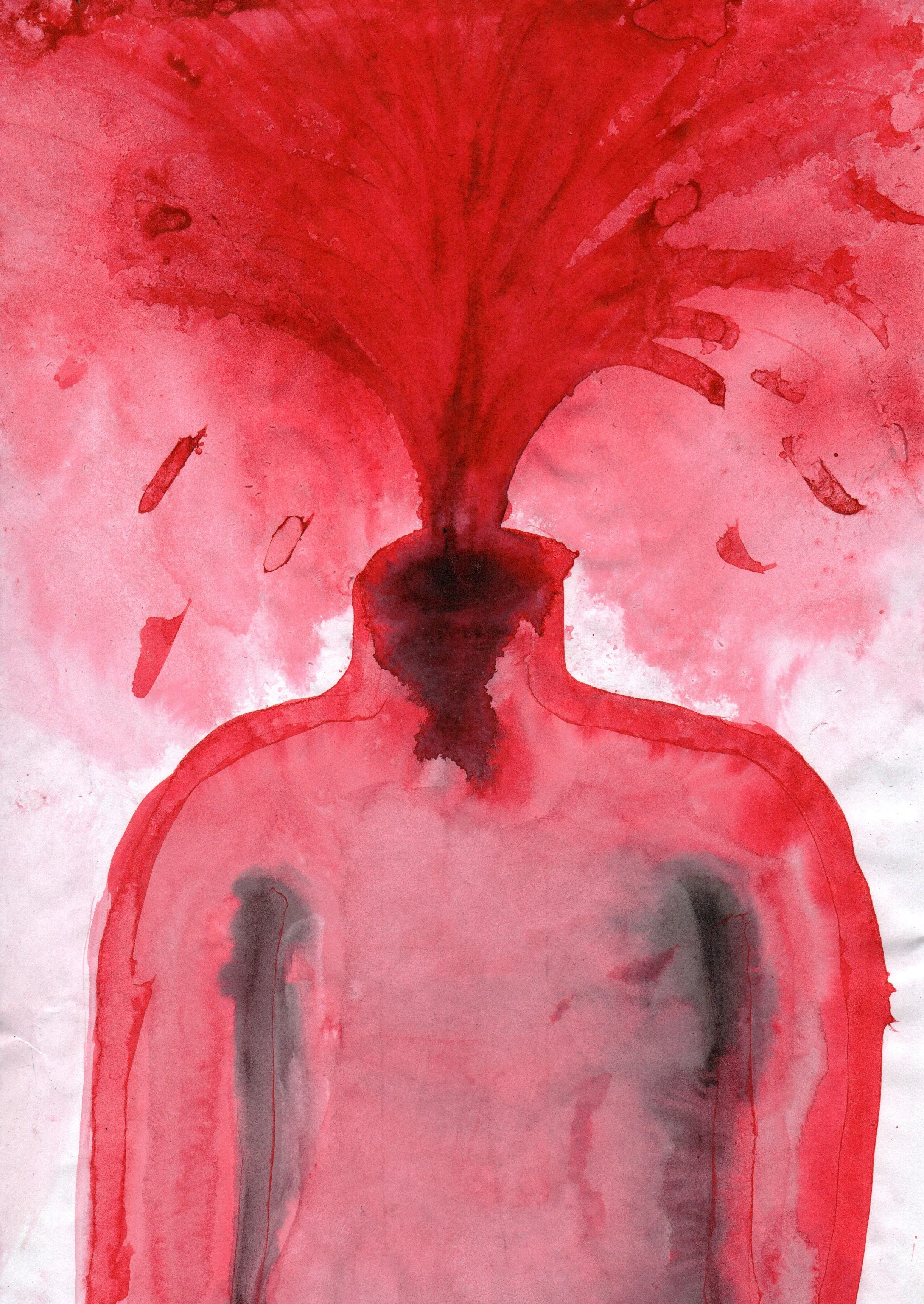
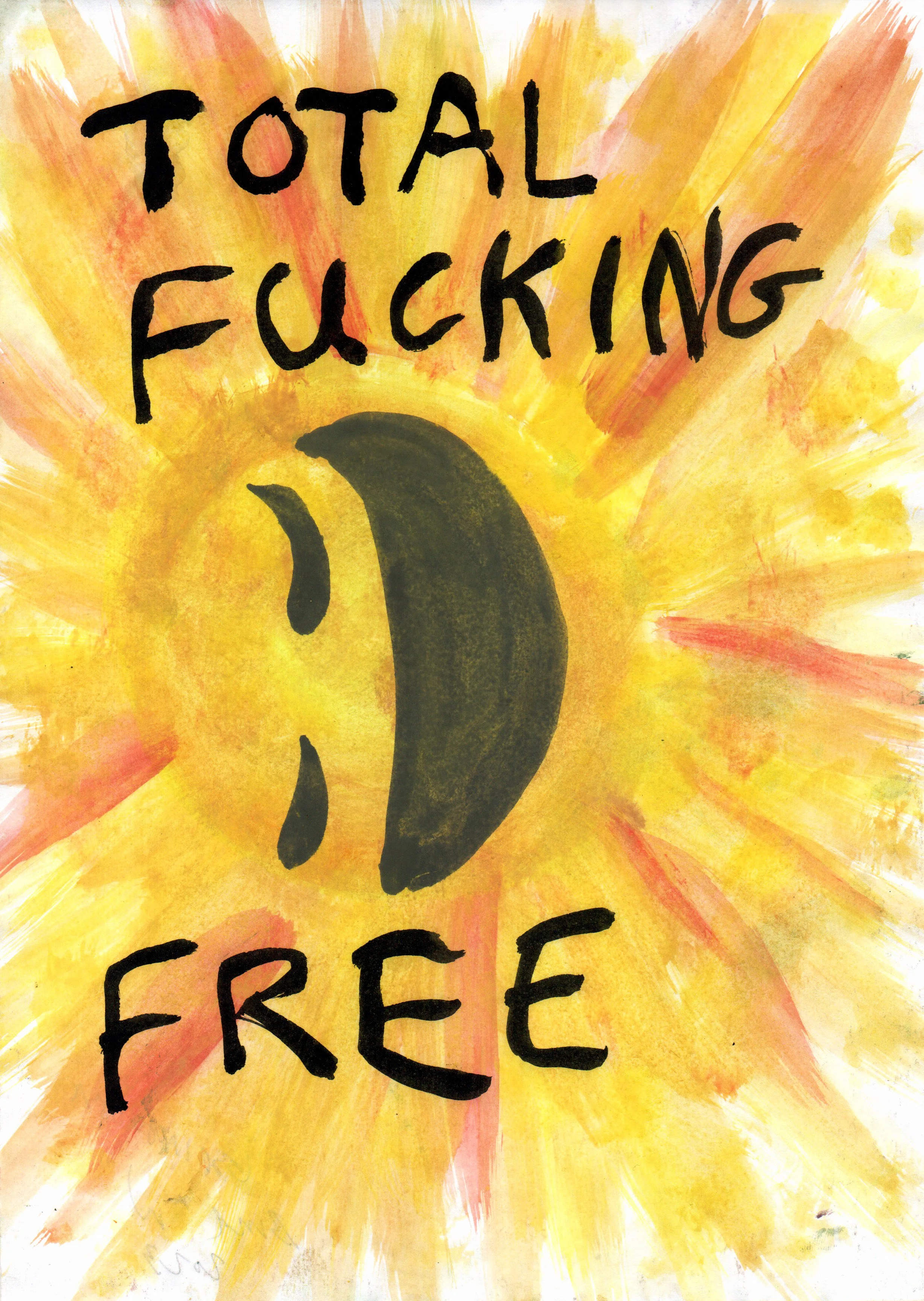
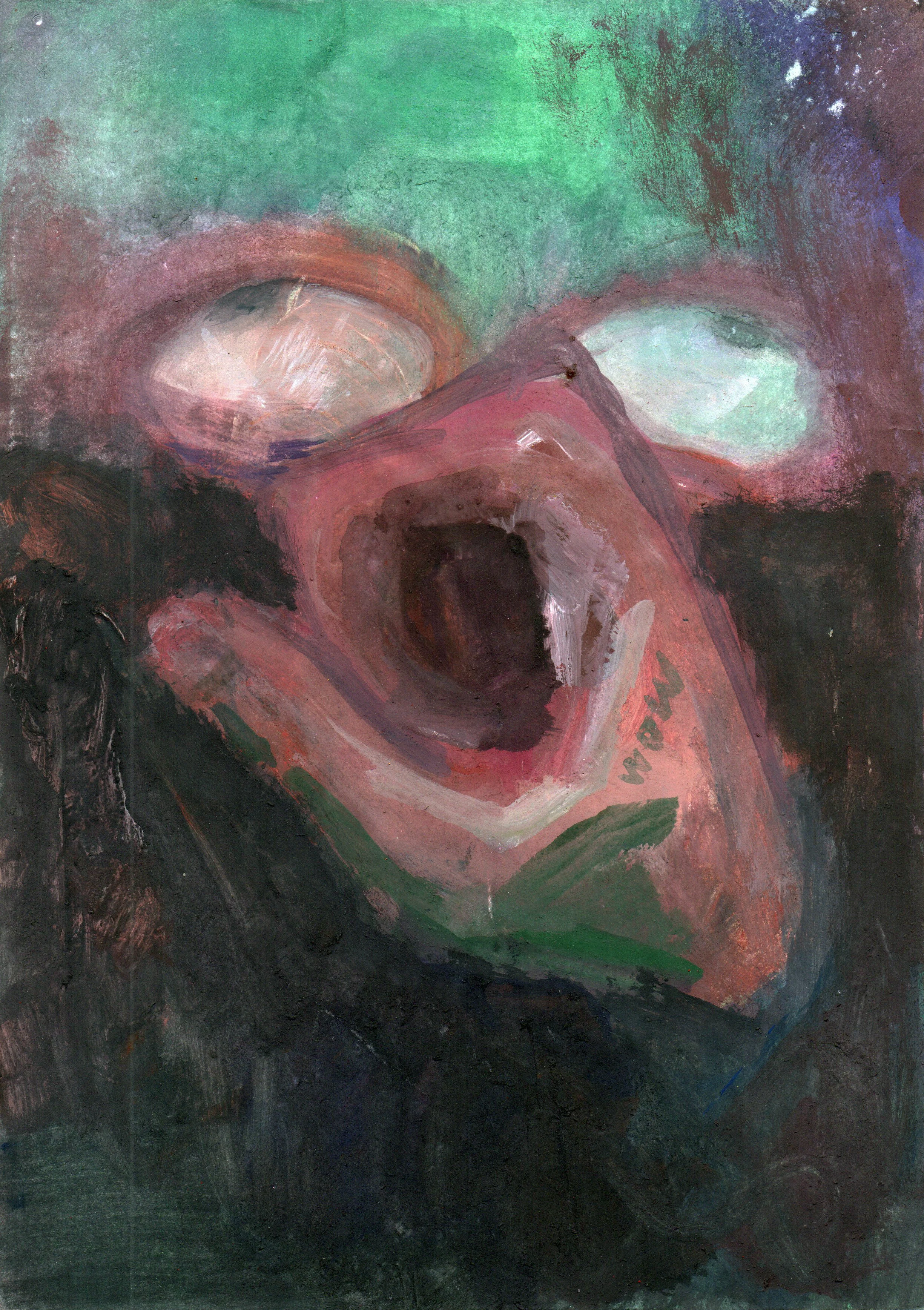
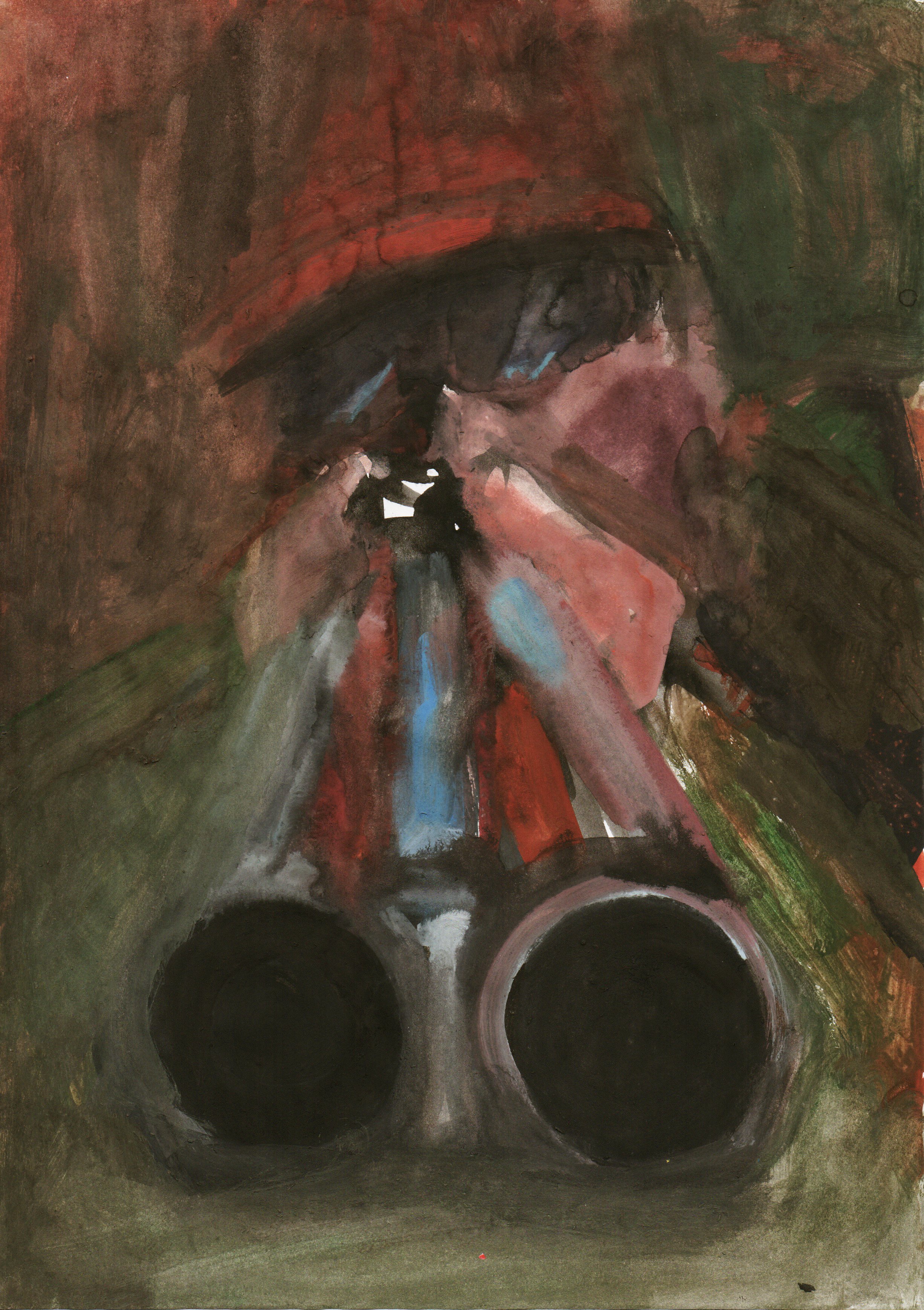
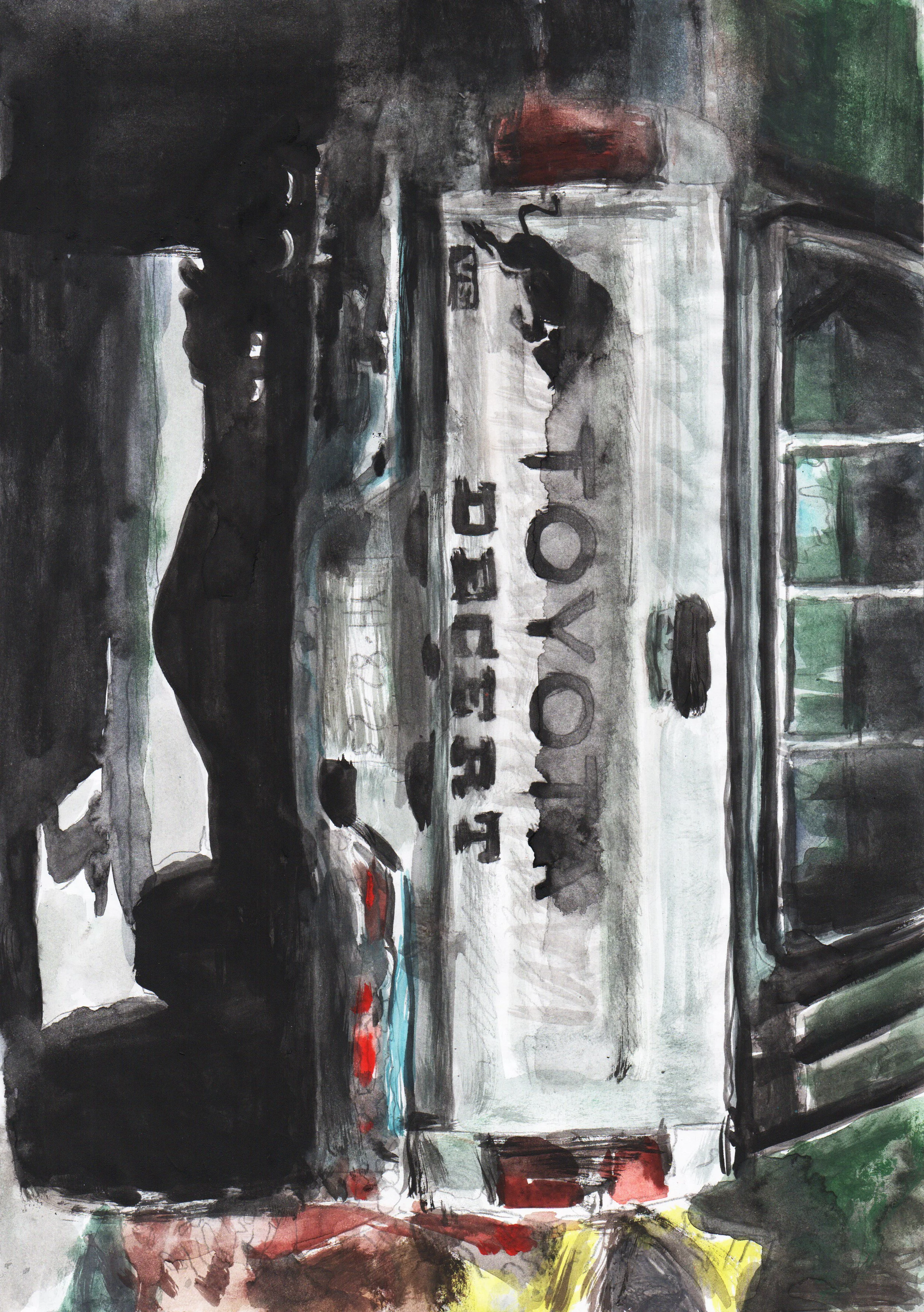
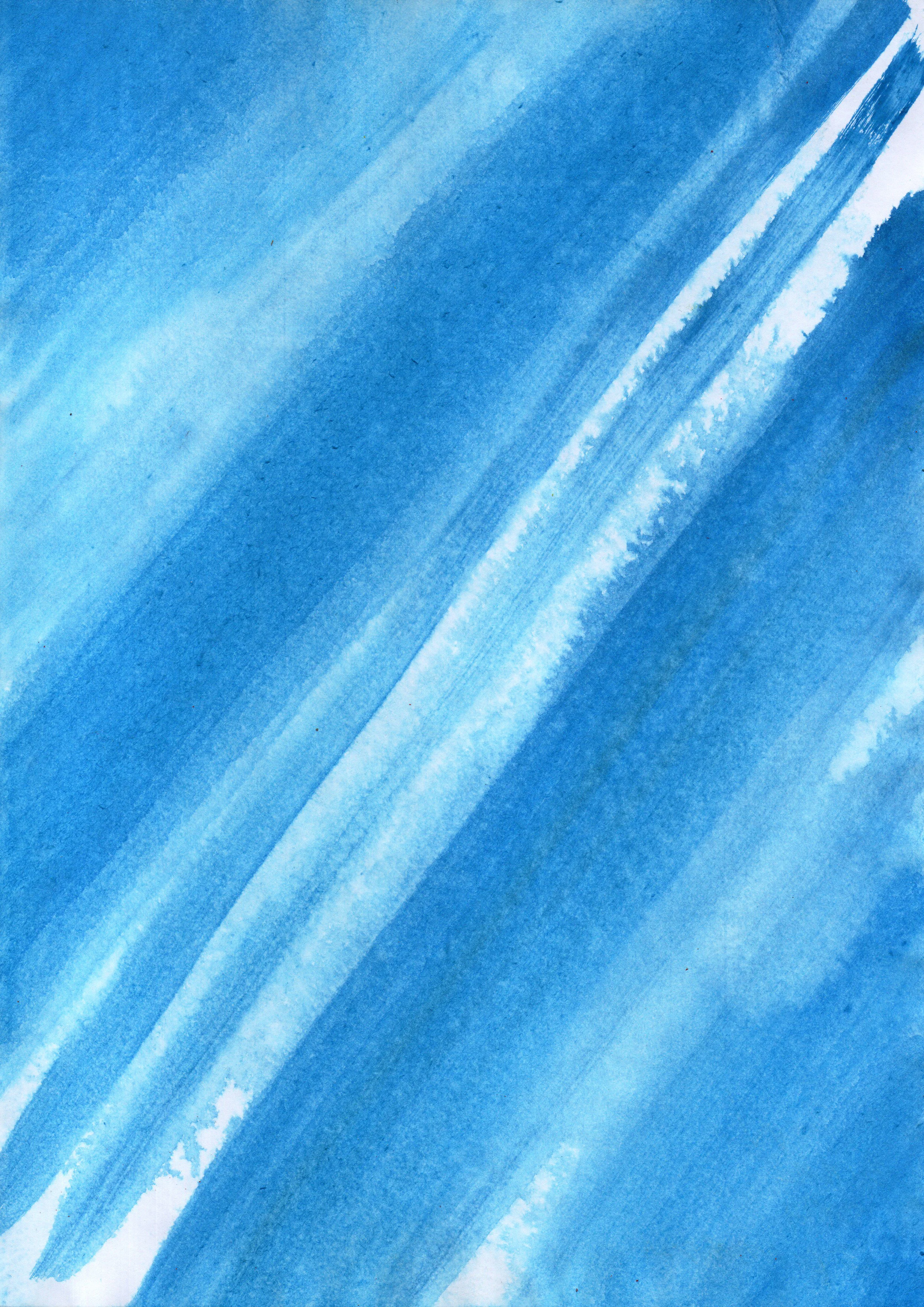
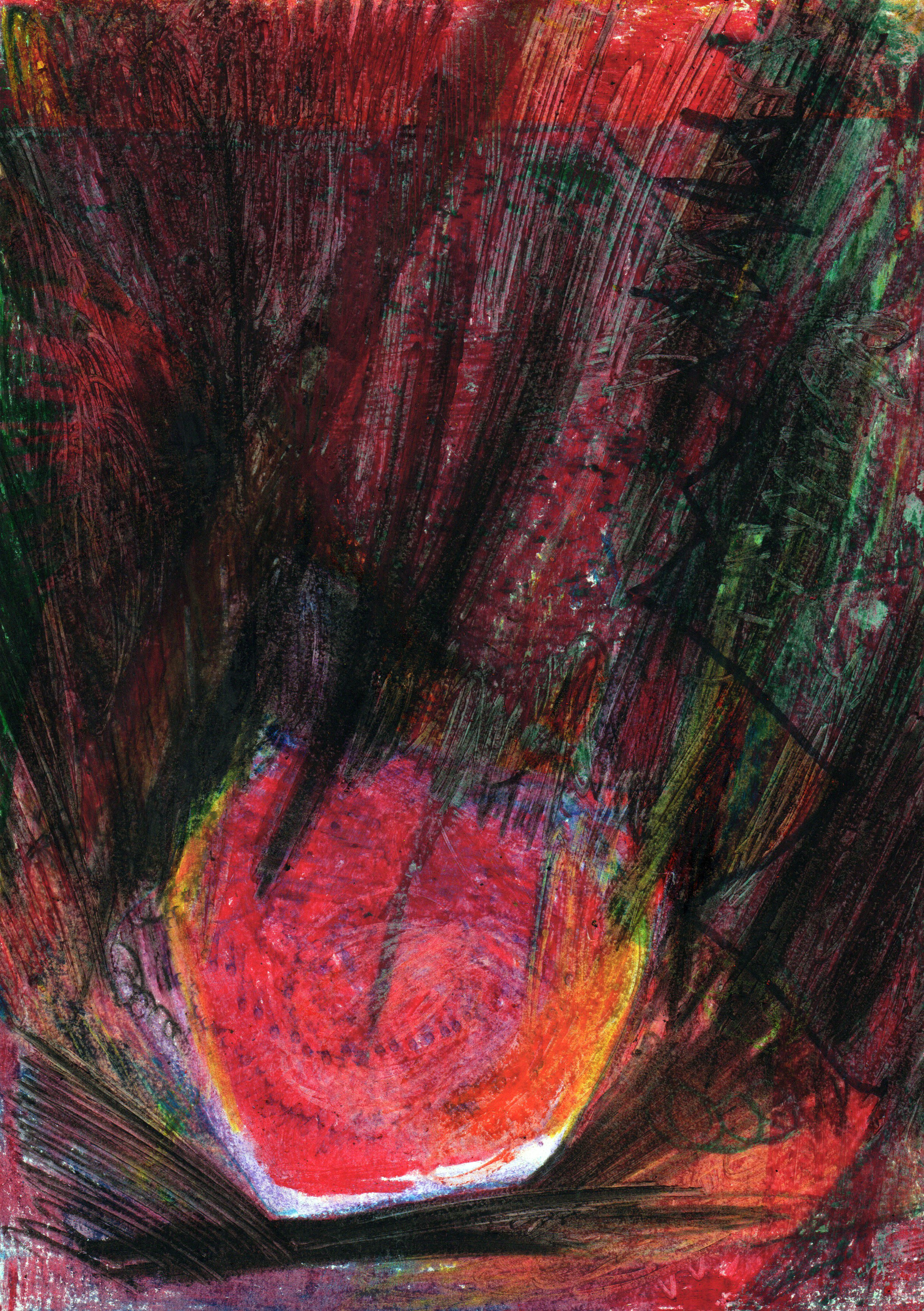
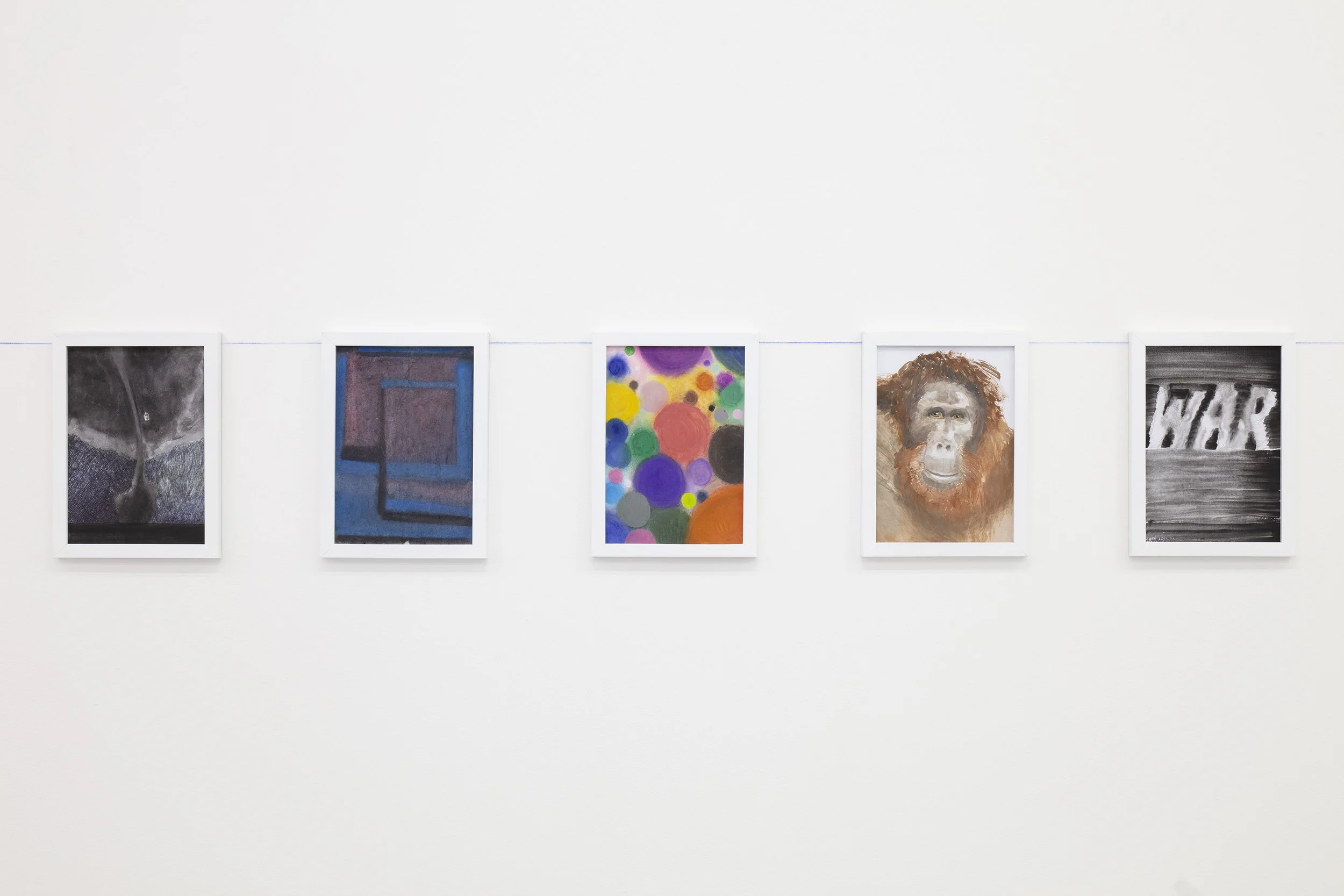
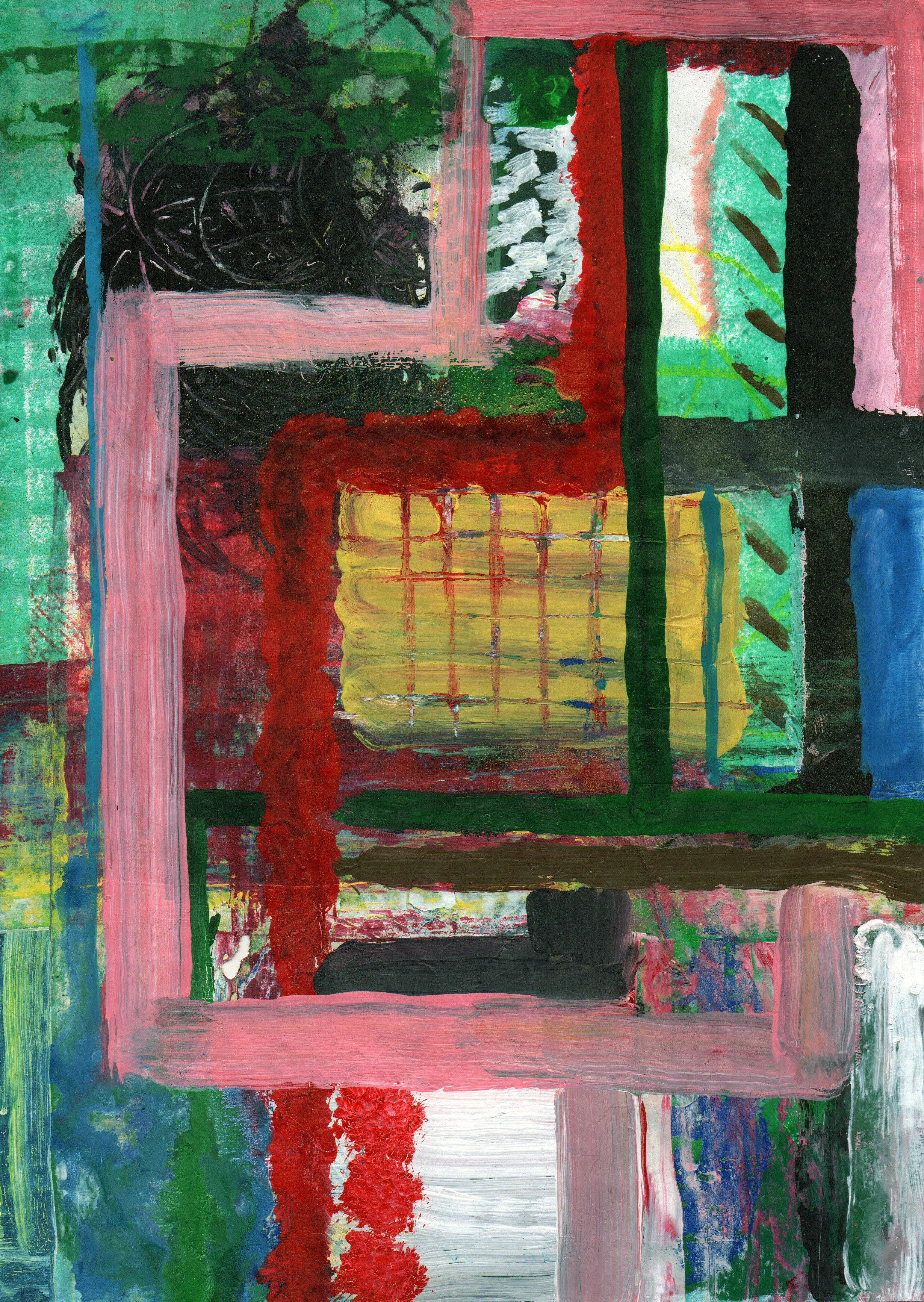
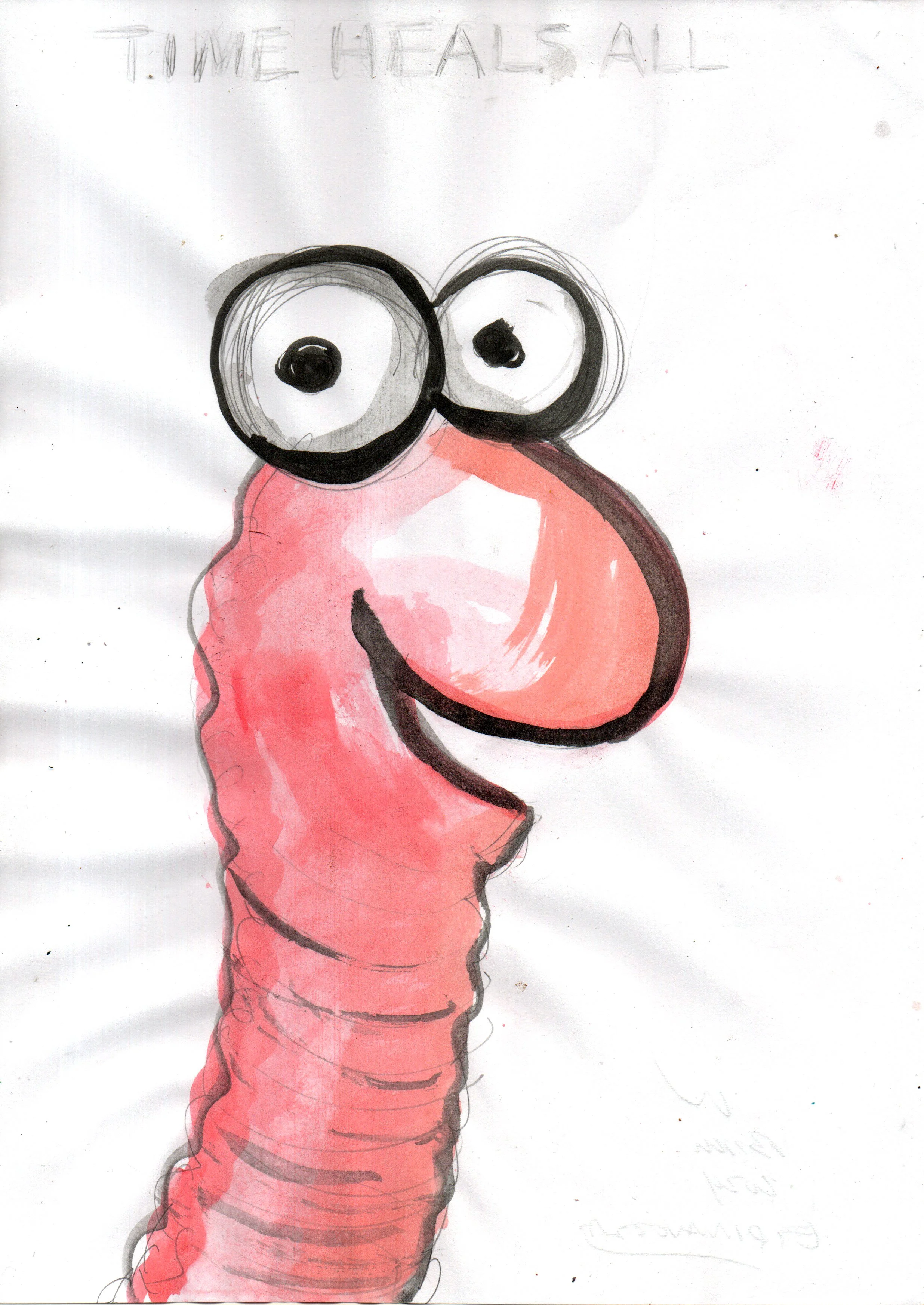
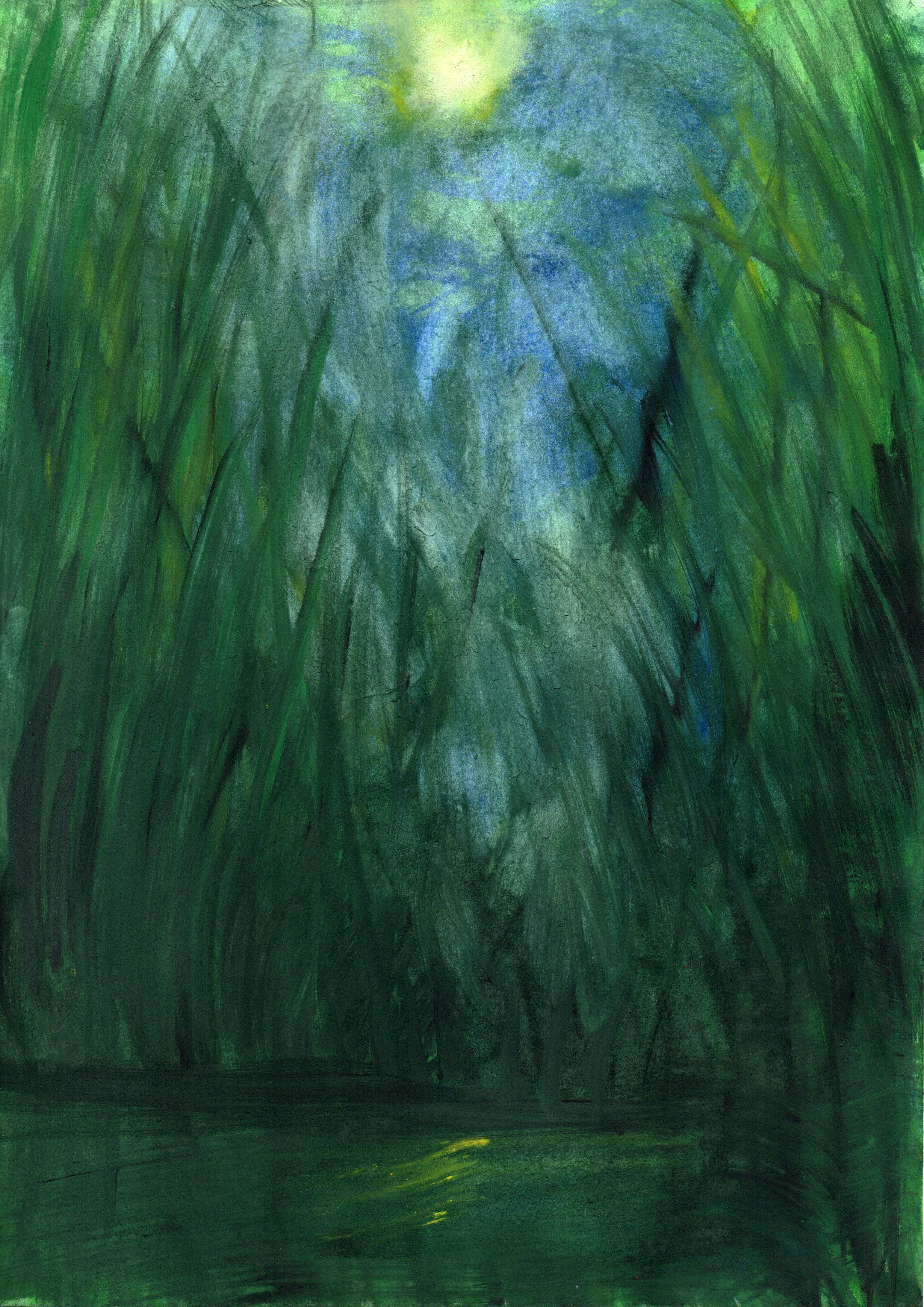
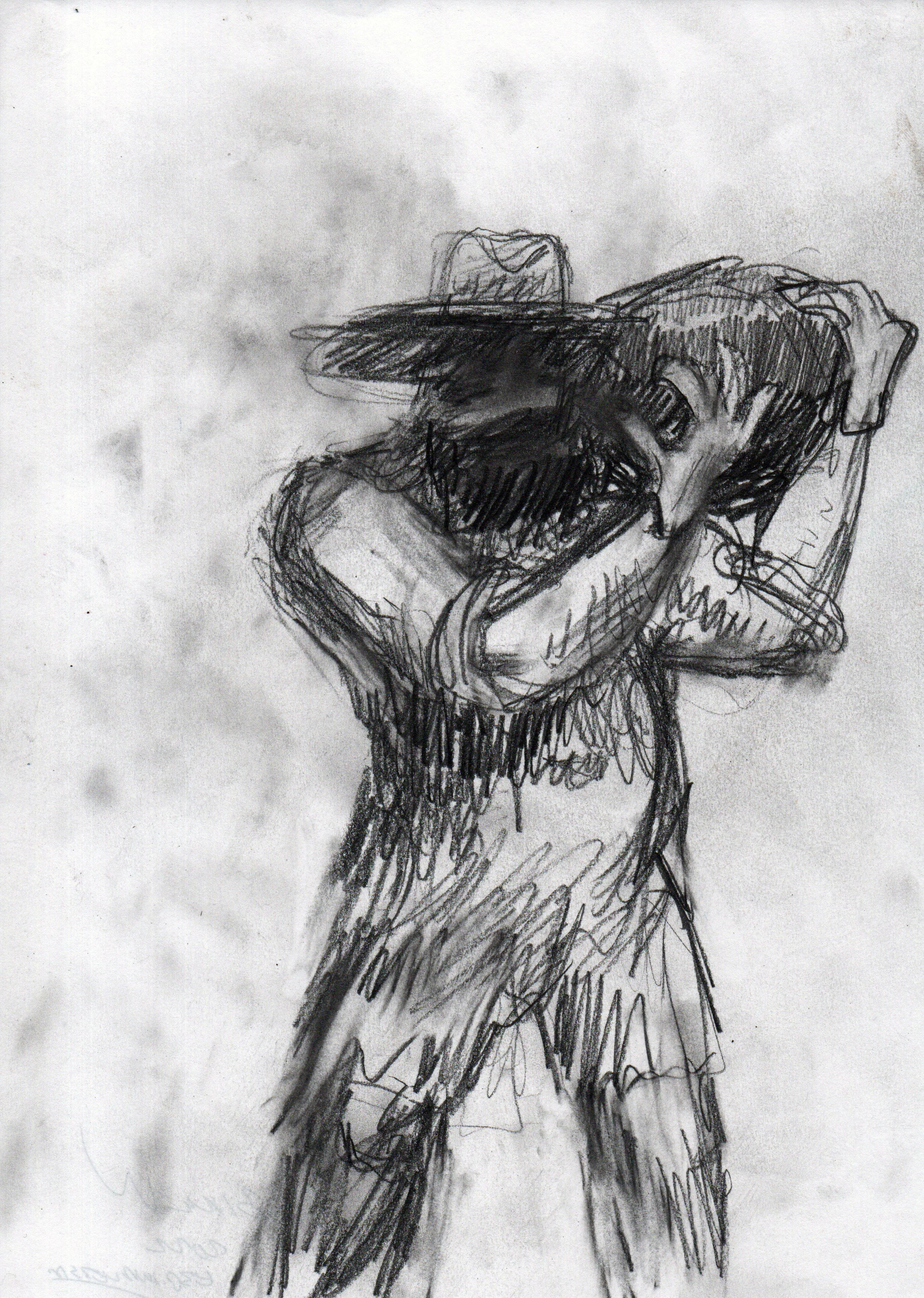
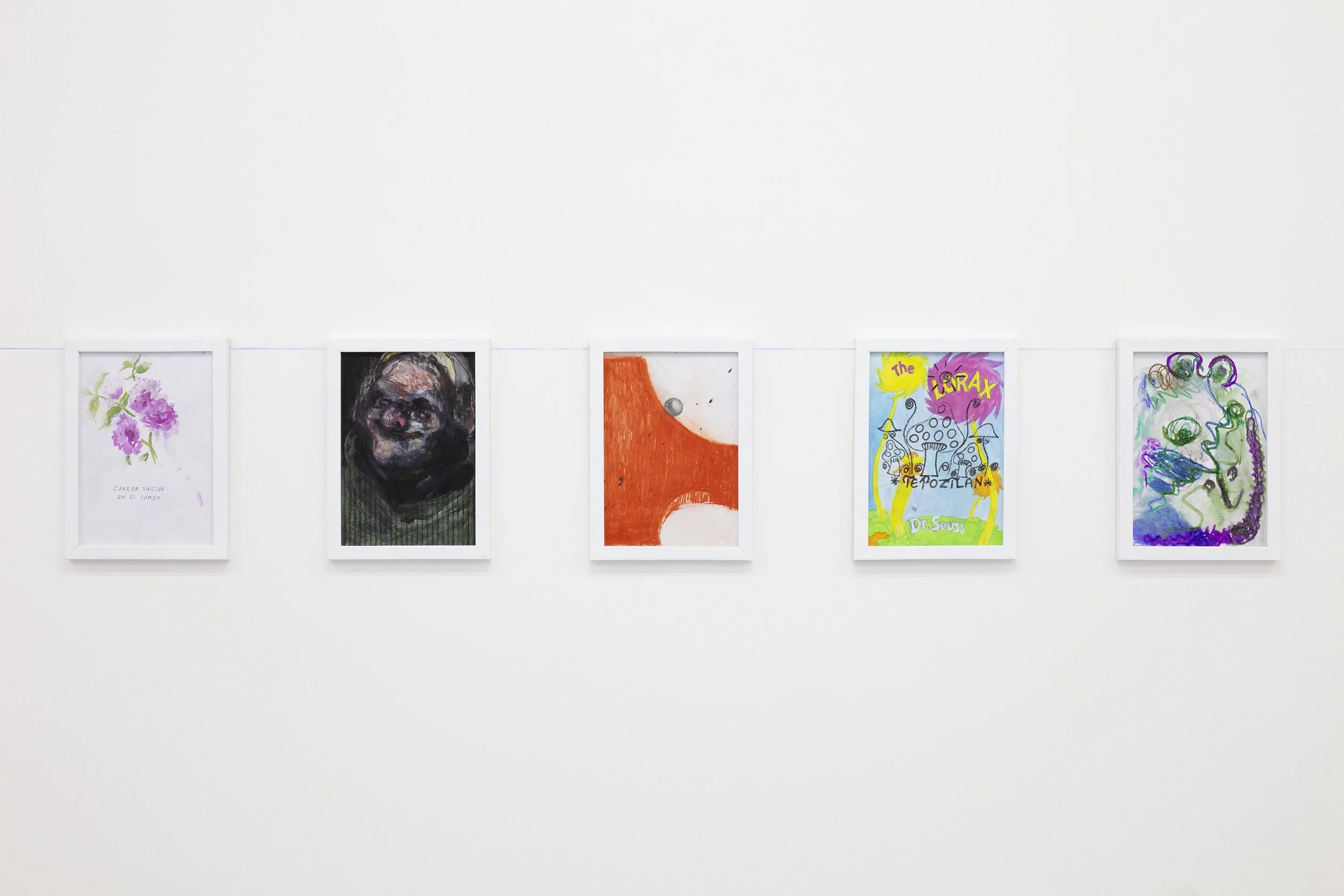
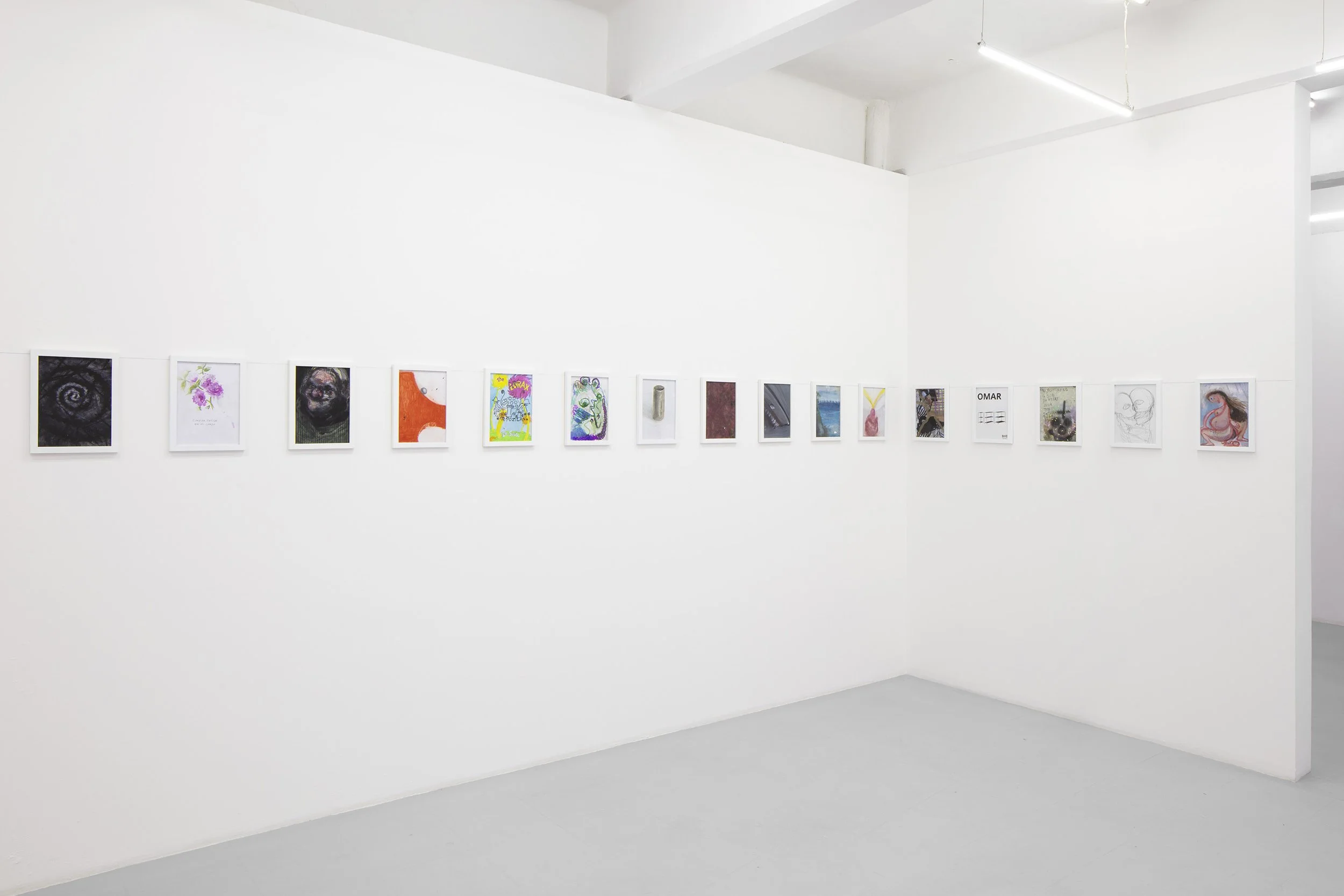
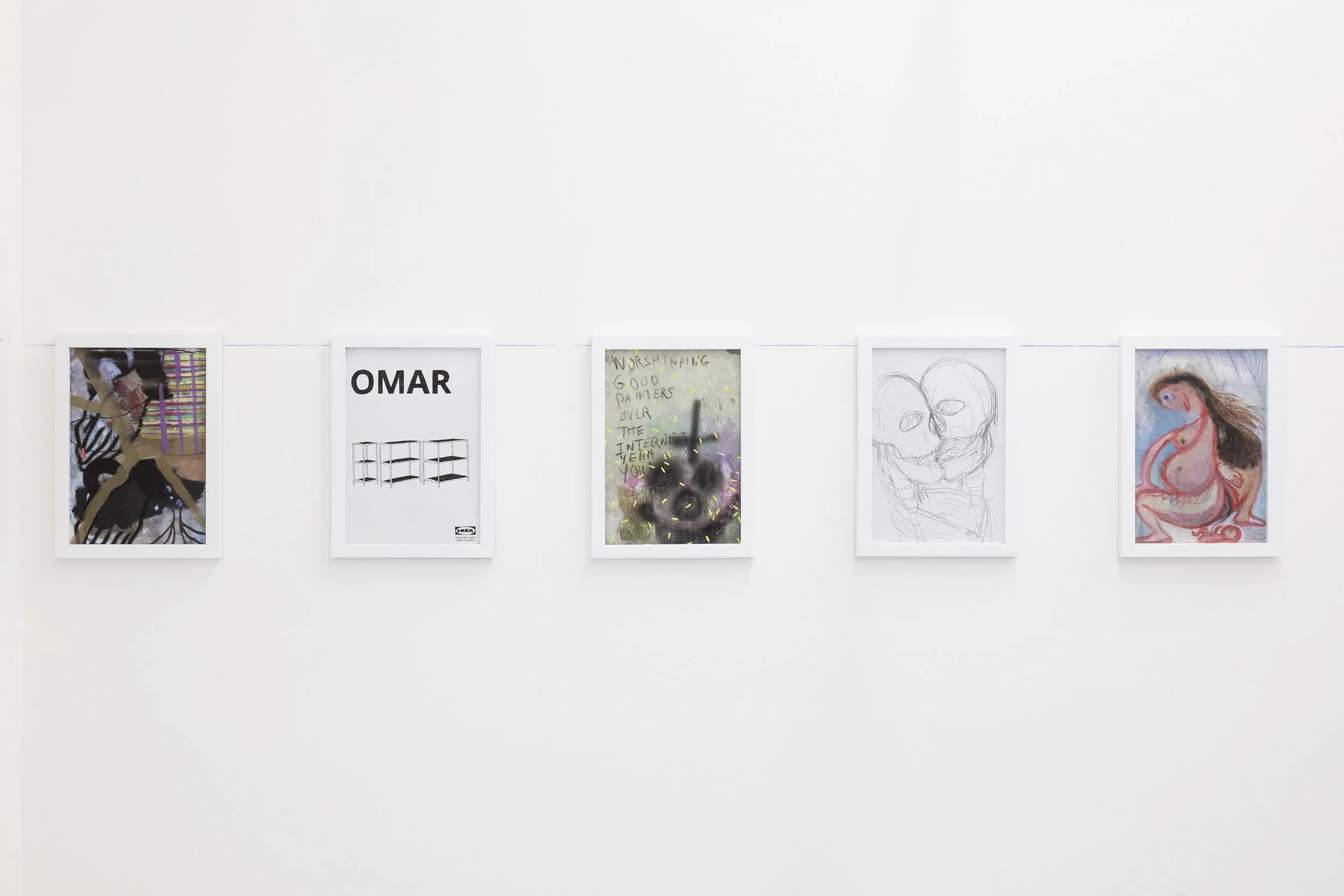
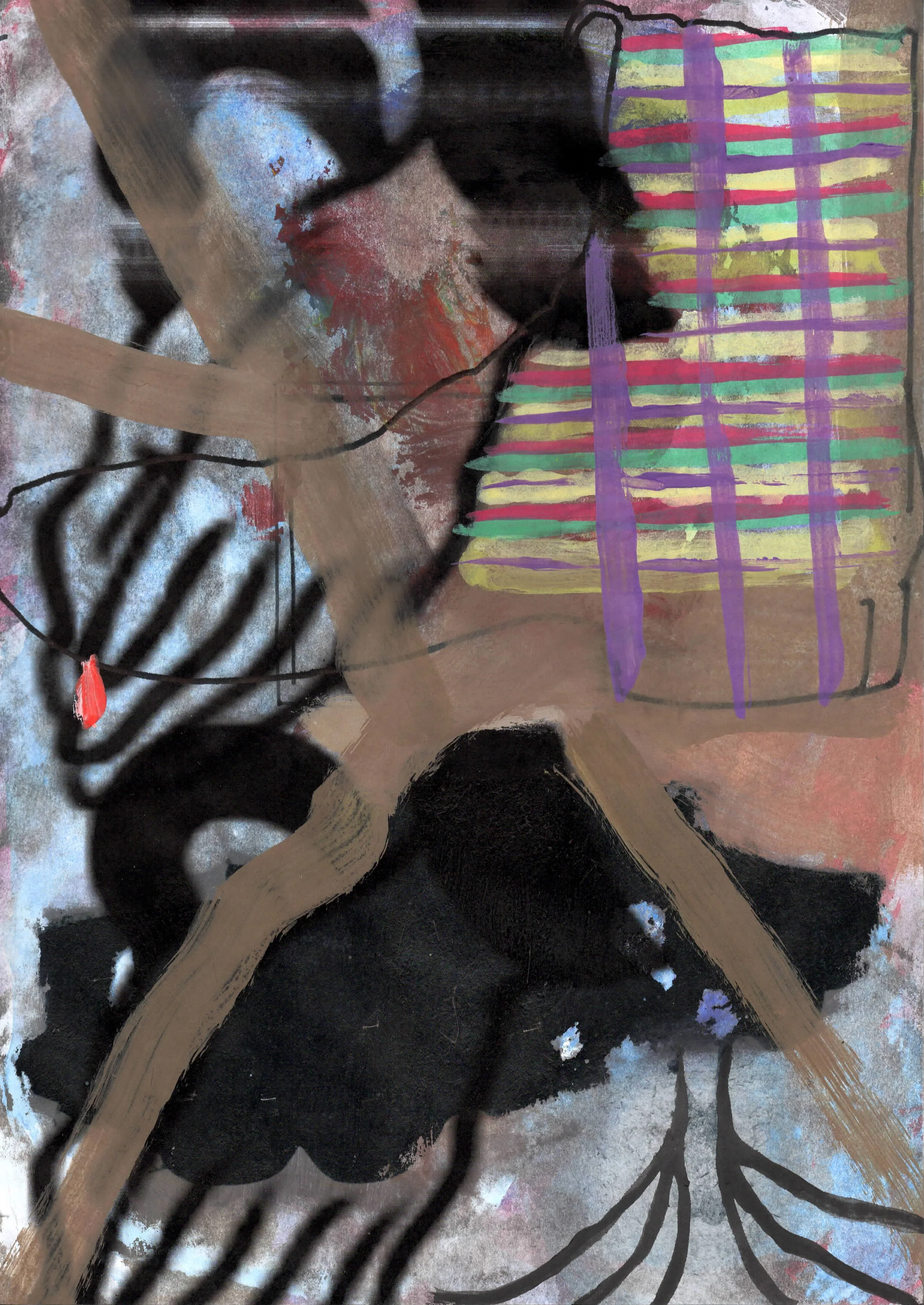
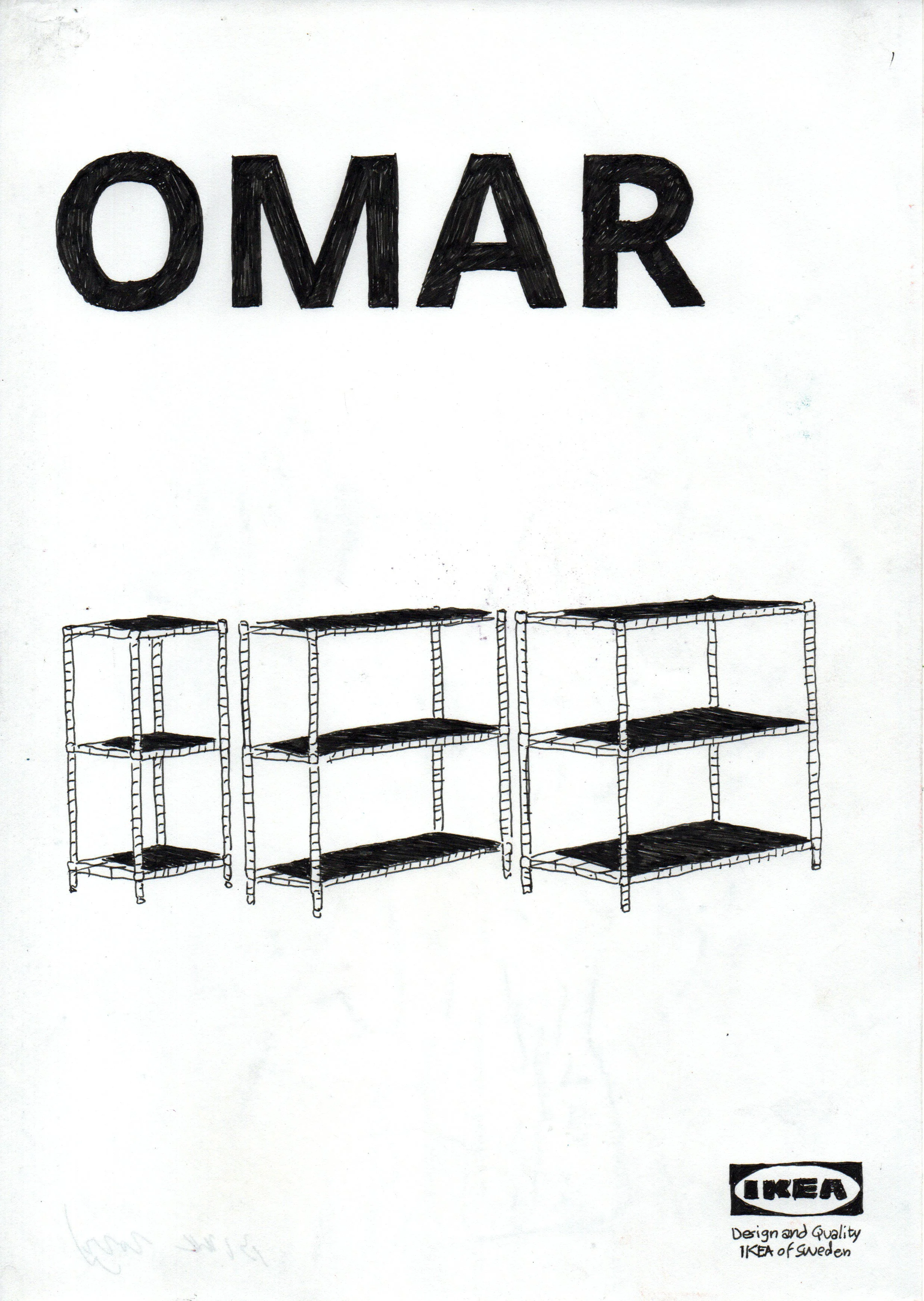
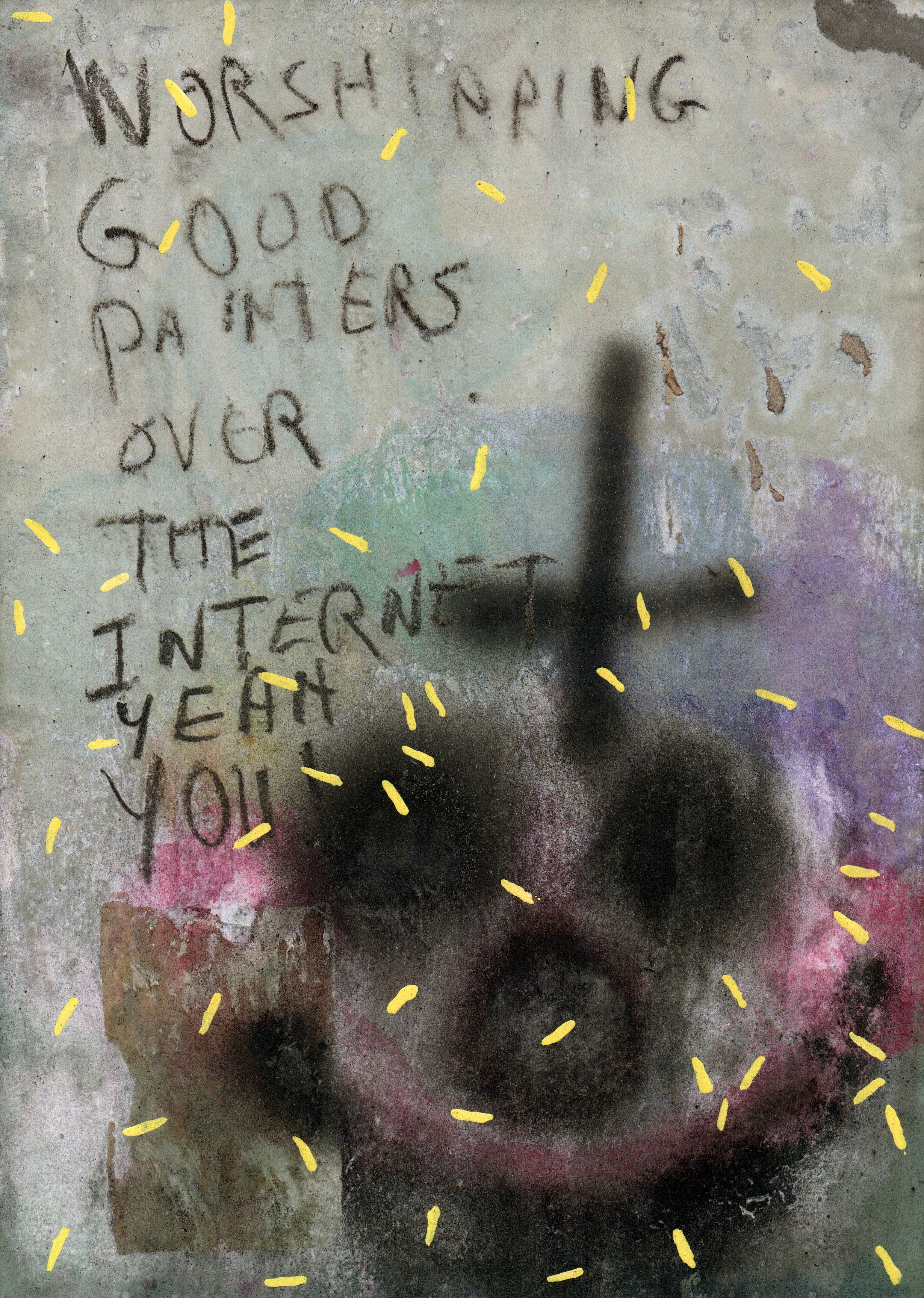
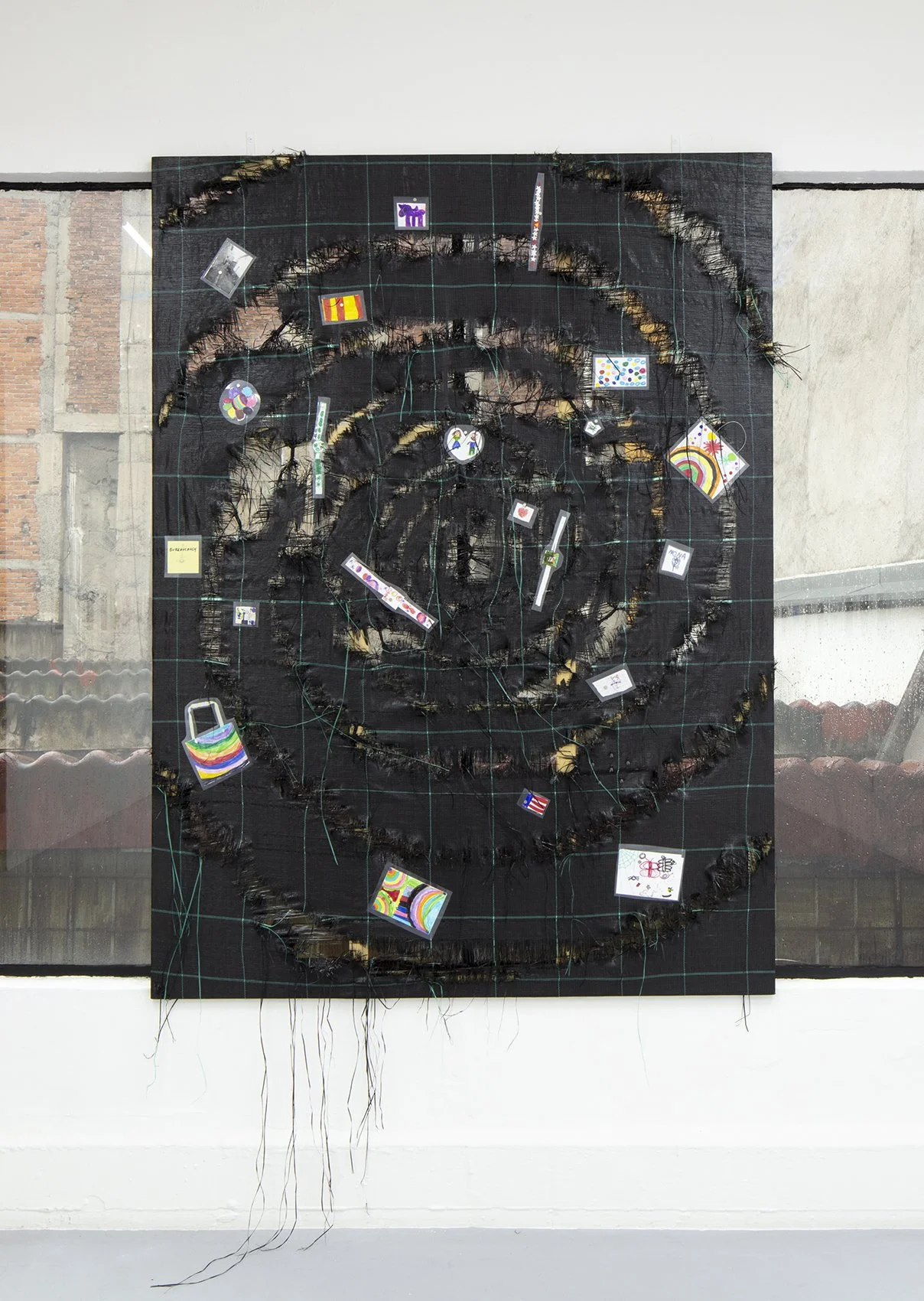
Lugar Entre Lugares by Andrew Birk at Galeria Karen Huber, Mexico City
June 19th - August 2, 2025
On the back part of the step, toward the right, I saw a small iridescent sphere of almost unbearable brilliance. At first I thought it was revolving; then I realised that this movement was an illusion created by the dizzying world it bounded. The Aleph's diameter was probably little more than an inch, but all space was there, actual and undiminished. Each thing (a mirror's face, let us say) was infinite things, since I distinctly saw it from every angle of the universe.
Jorge Luis Borges, The Aleph.
Lugar entre lugares (a place amongst or between places) can refer to the most exceptional place of all places, the one we have chosen, the most subjectively our own, the one that holds the links that move us from one place to another. It may be a place between two places, an intermediate, blurred, or transitory space, the passage from one nucleus to another. Or it can be a place that encompasses all the places in the world, a vanishing point from which all realities and times can be glimpsed simultaneously.
Andrew Birk’s Lugar entre lugares is simultaneously a journey, a root, and a horizon. Driven by a rotating movement that goes through a succession of gestures, it is the path of stoic conviction and ceaseless, looping research. Within this helical force lies a common thread that weaves the text of the journey: the supernatural that hides in the everyday. The encounters with ordinary, vulgar, and base events are transformed by a curious and attentive eye that exponentially magnifies them into magical conjunctions with results that are as evident as they are stupefying.
Unfolding in three acts, the relationship between physicality and the work's surface is manifested in the movement of rotation, repetition, and tearing. In this trajectory, Andrew Birk uses circumstantial restrictions as conditions, transforming obstacles into objectives to overcome in the exercise of confrontation with painting. The self-imposed dynamic of conquering limitations is the backbone of a succession of materialities, where the method becomes the language and the action resonates on the surface.
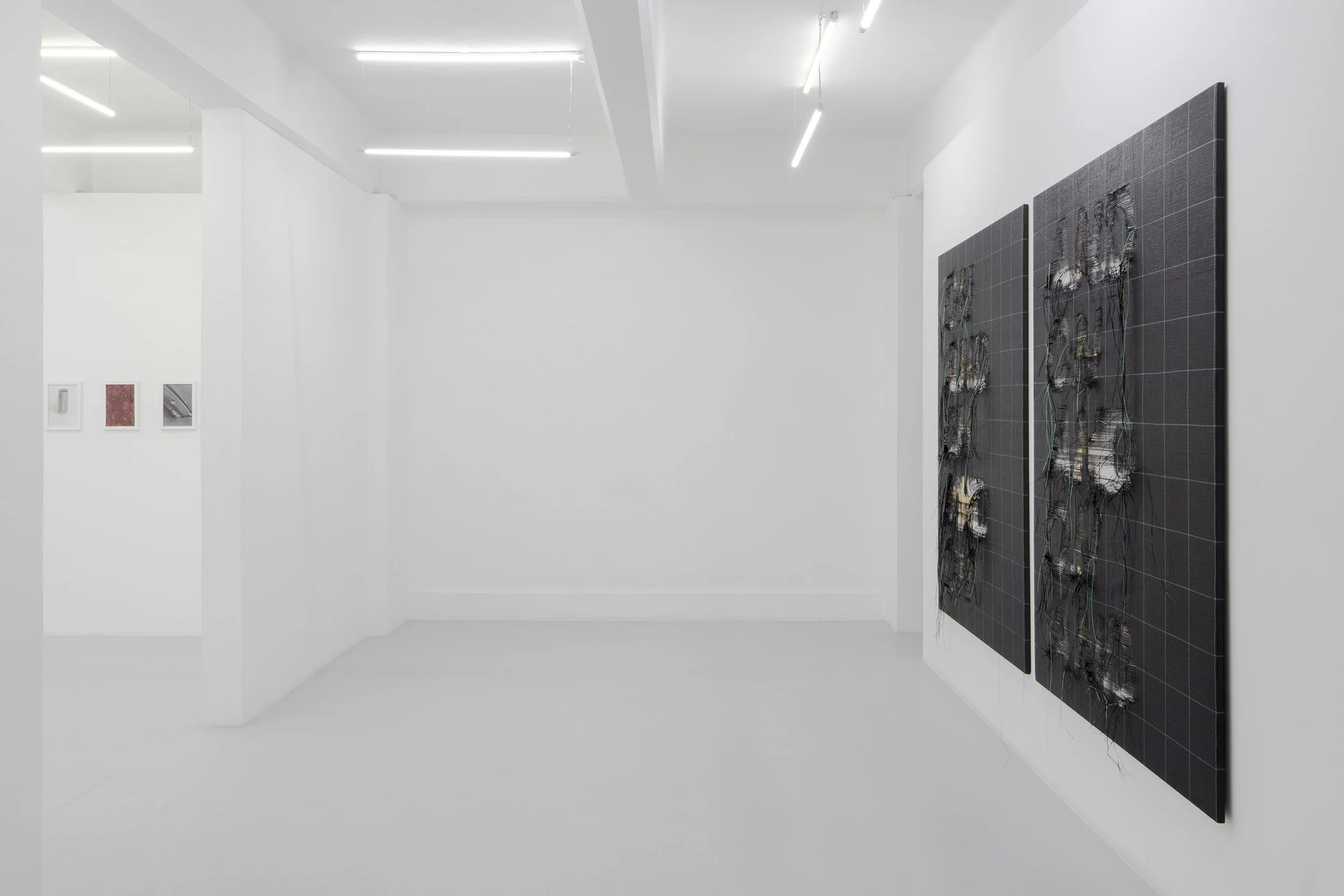
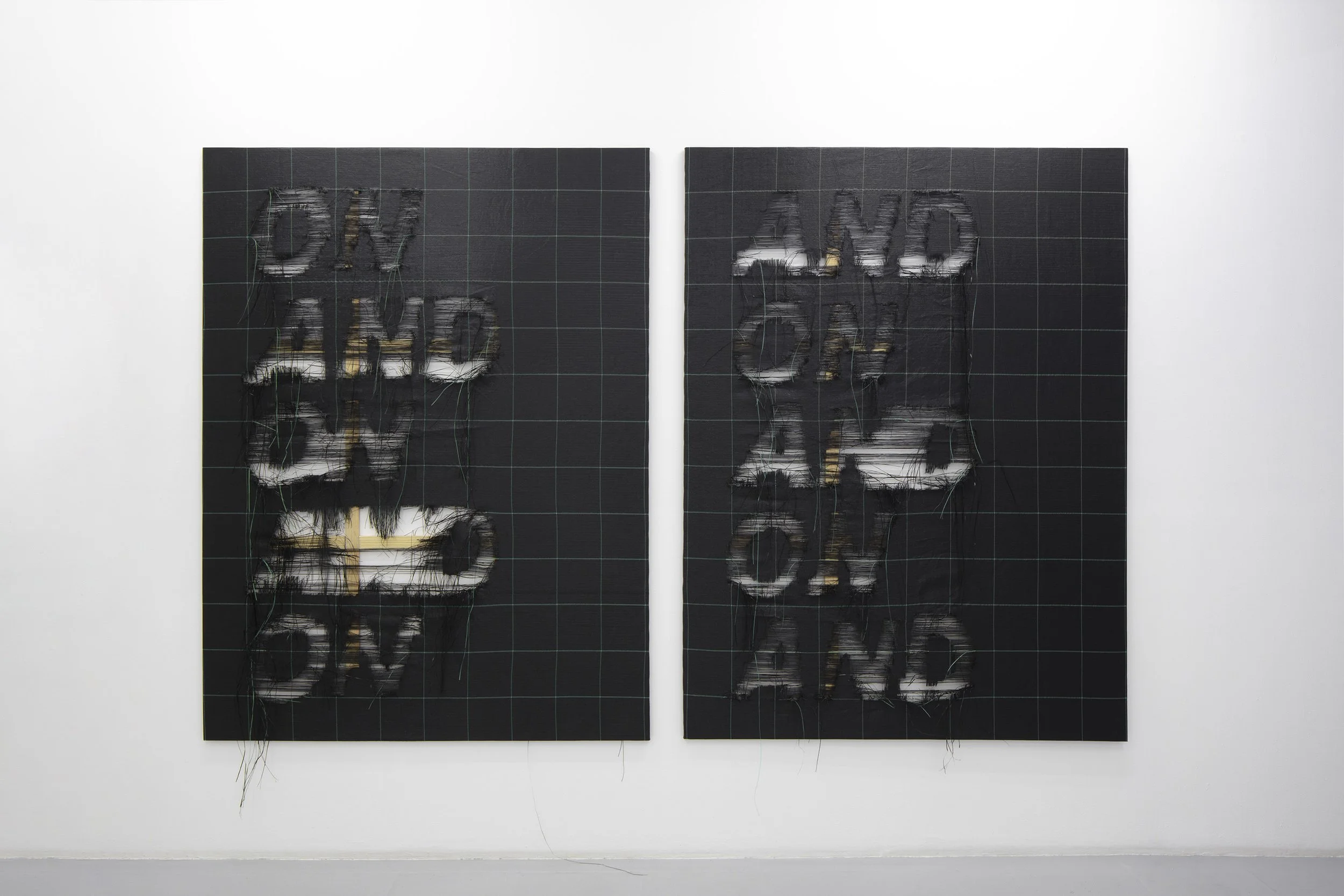
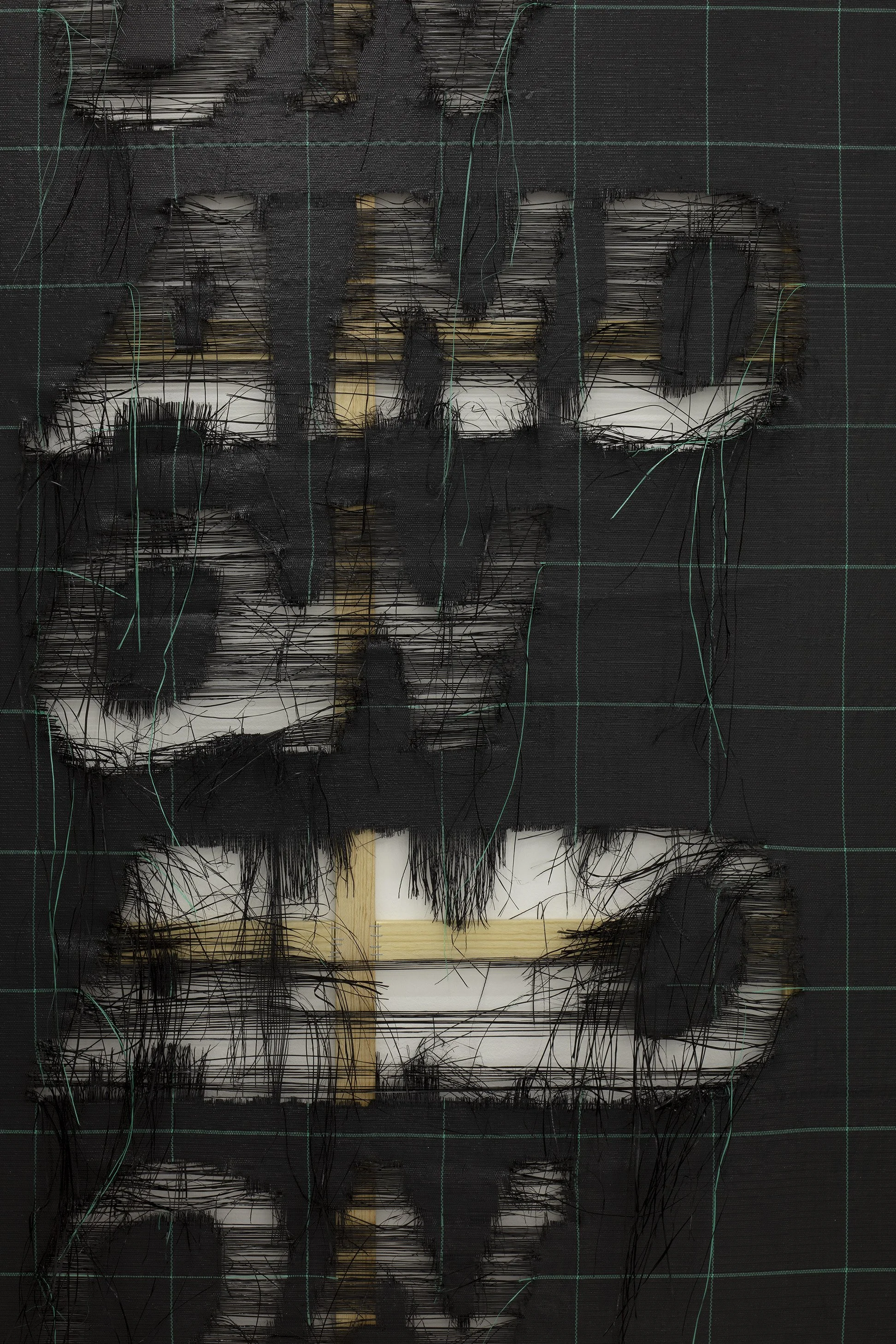
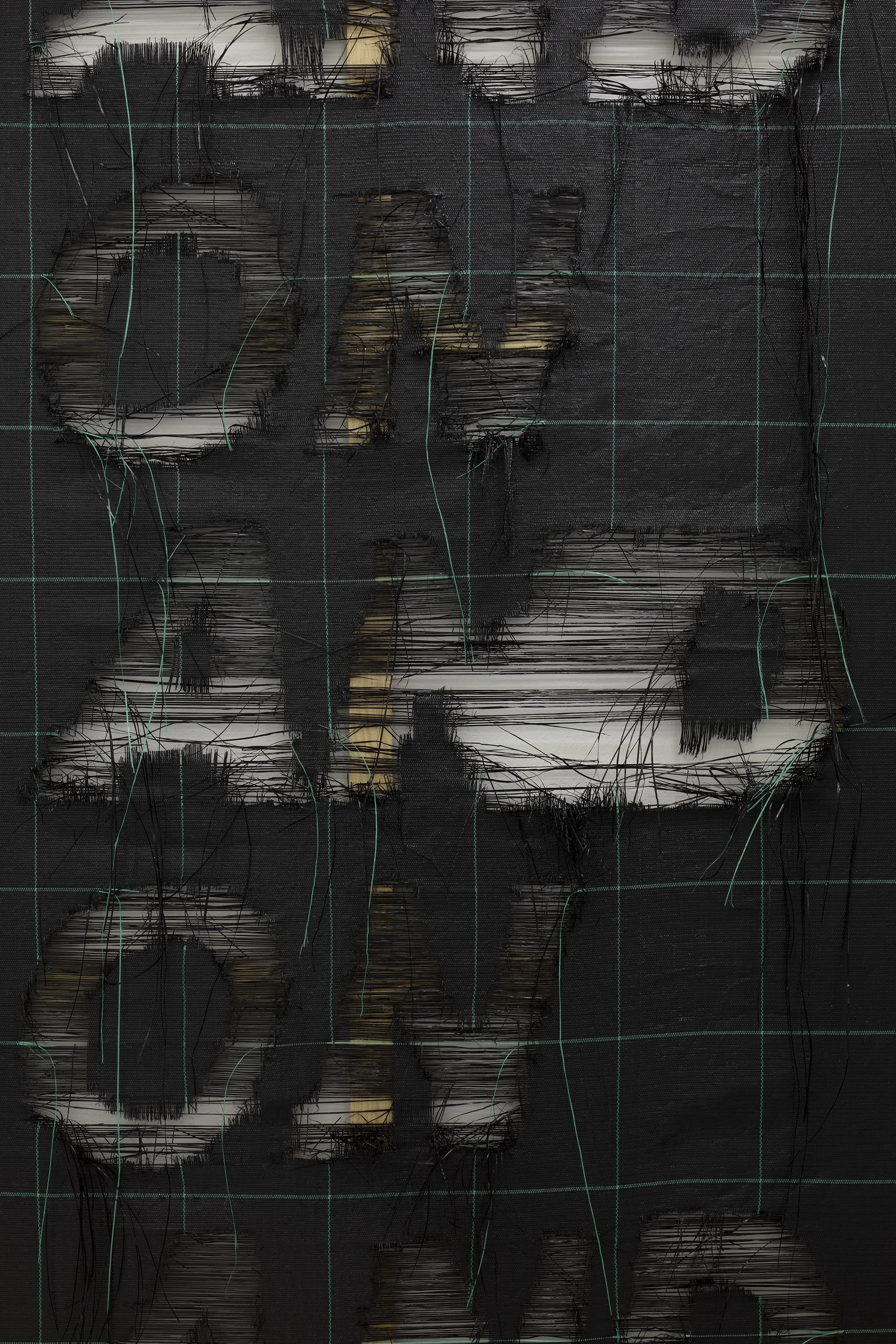
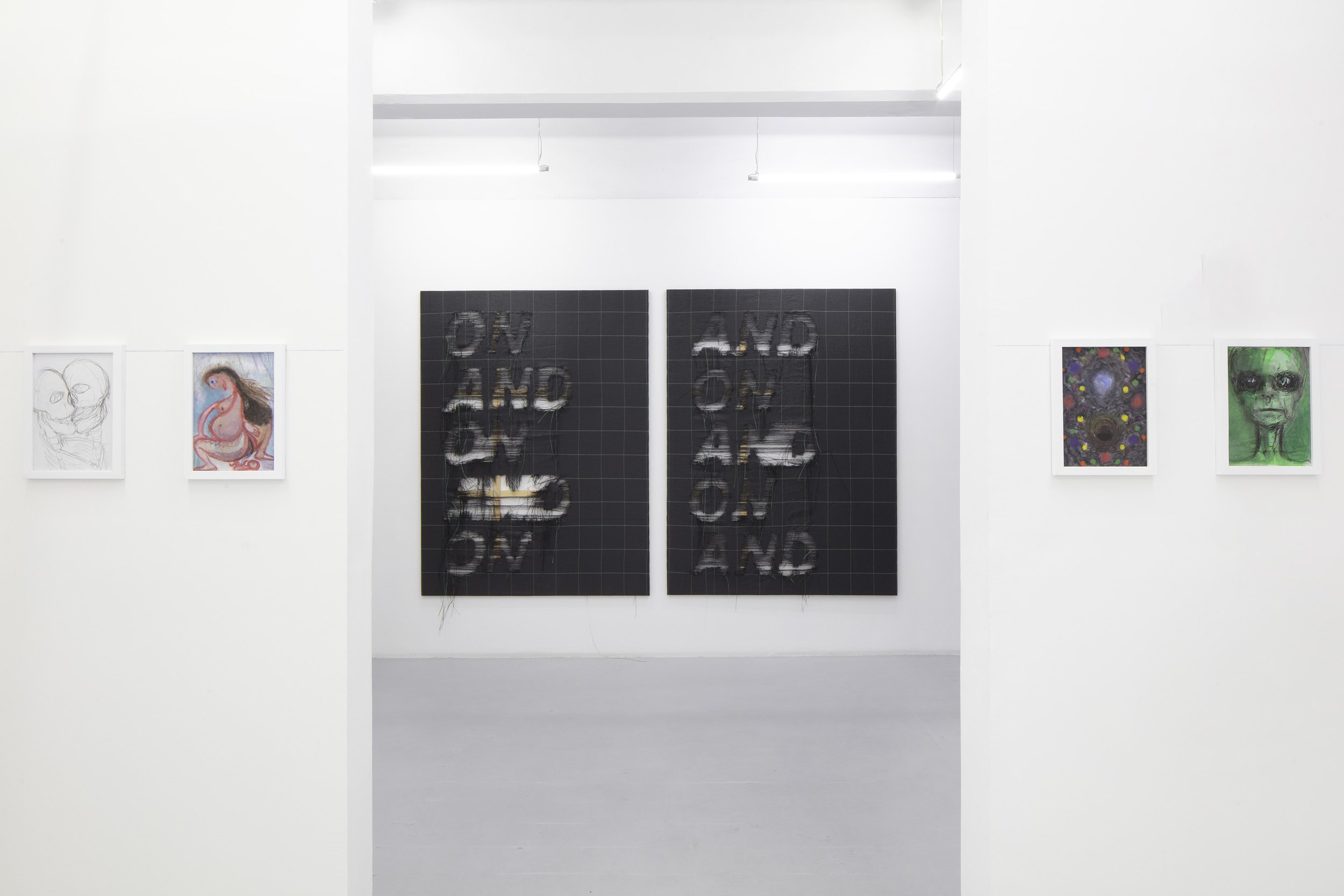
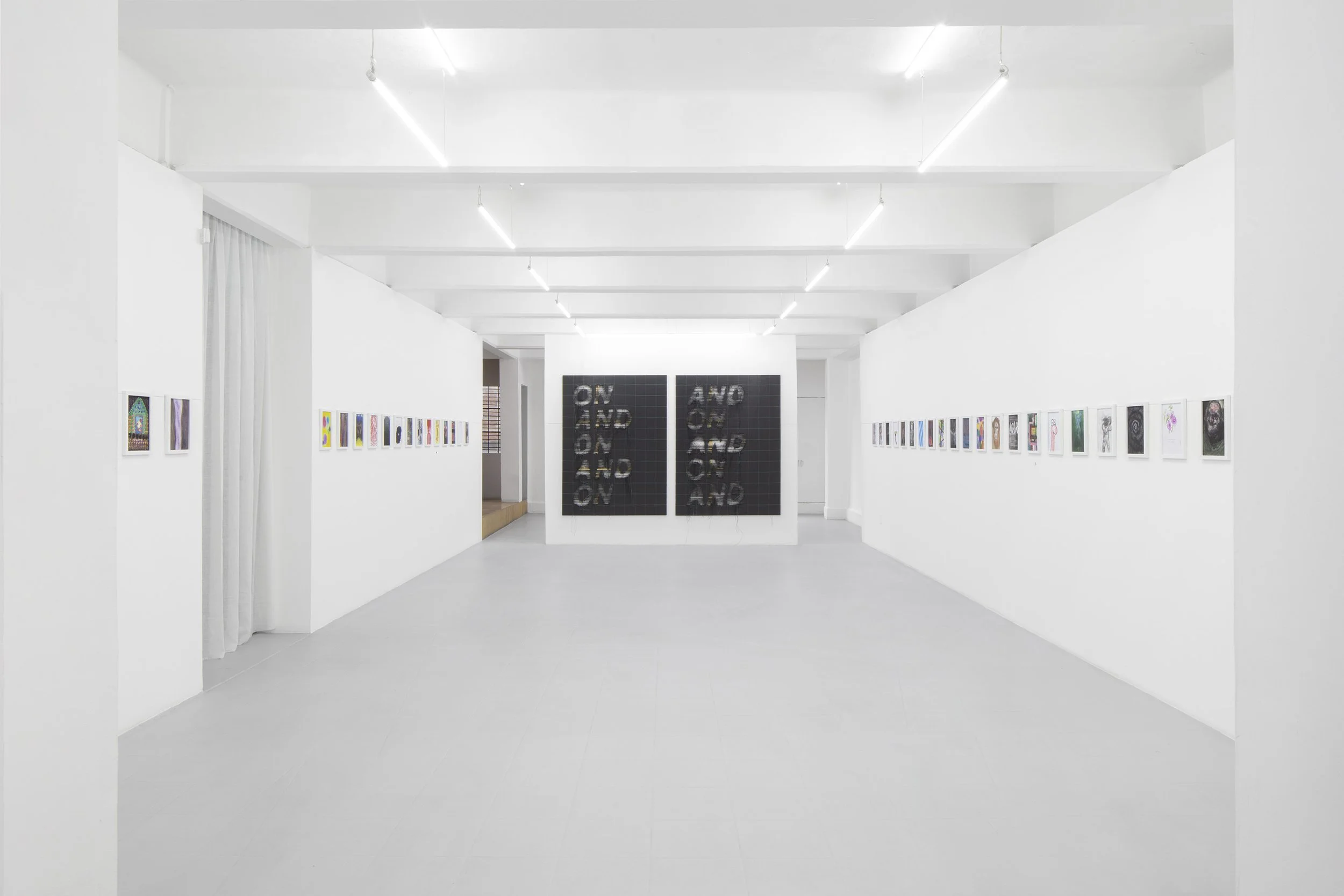
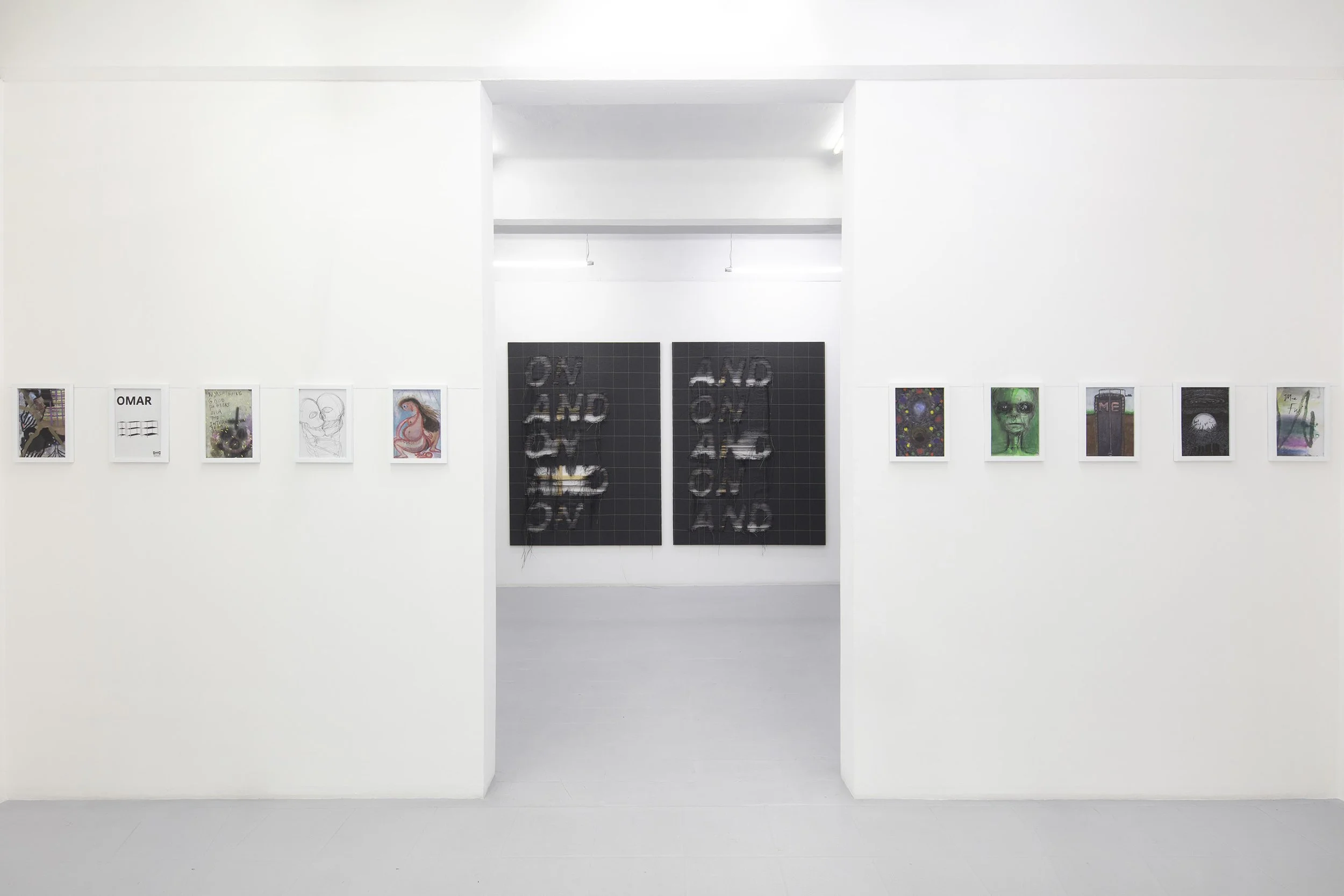
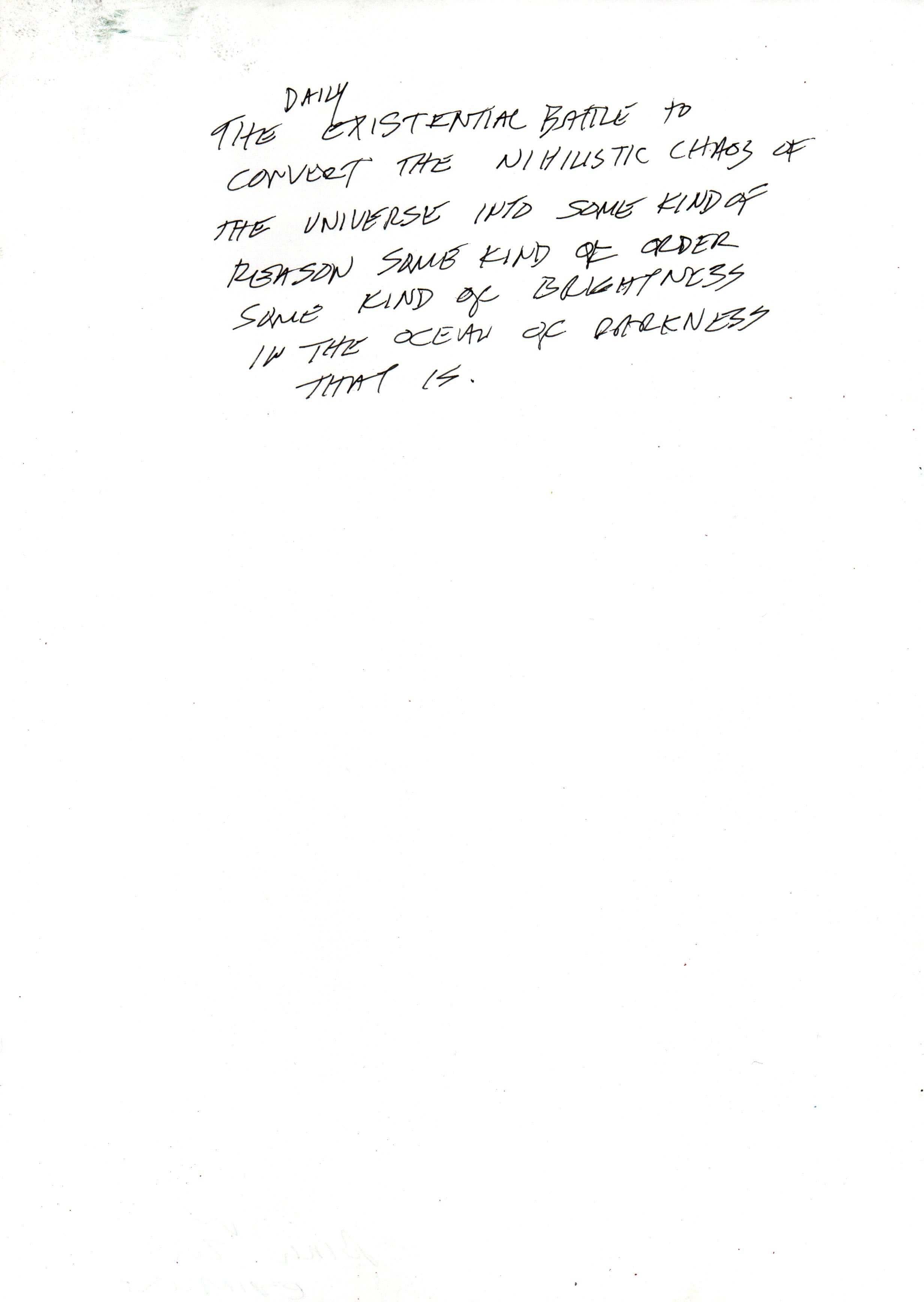
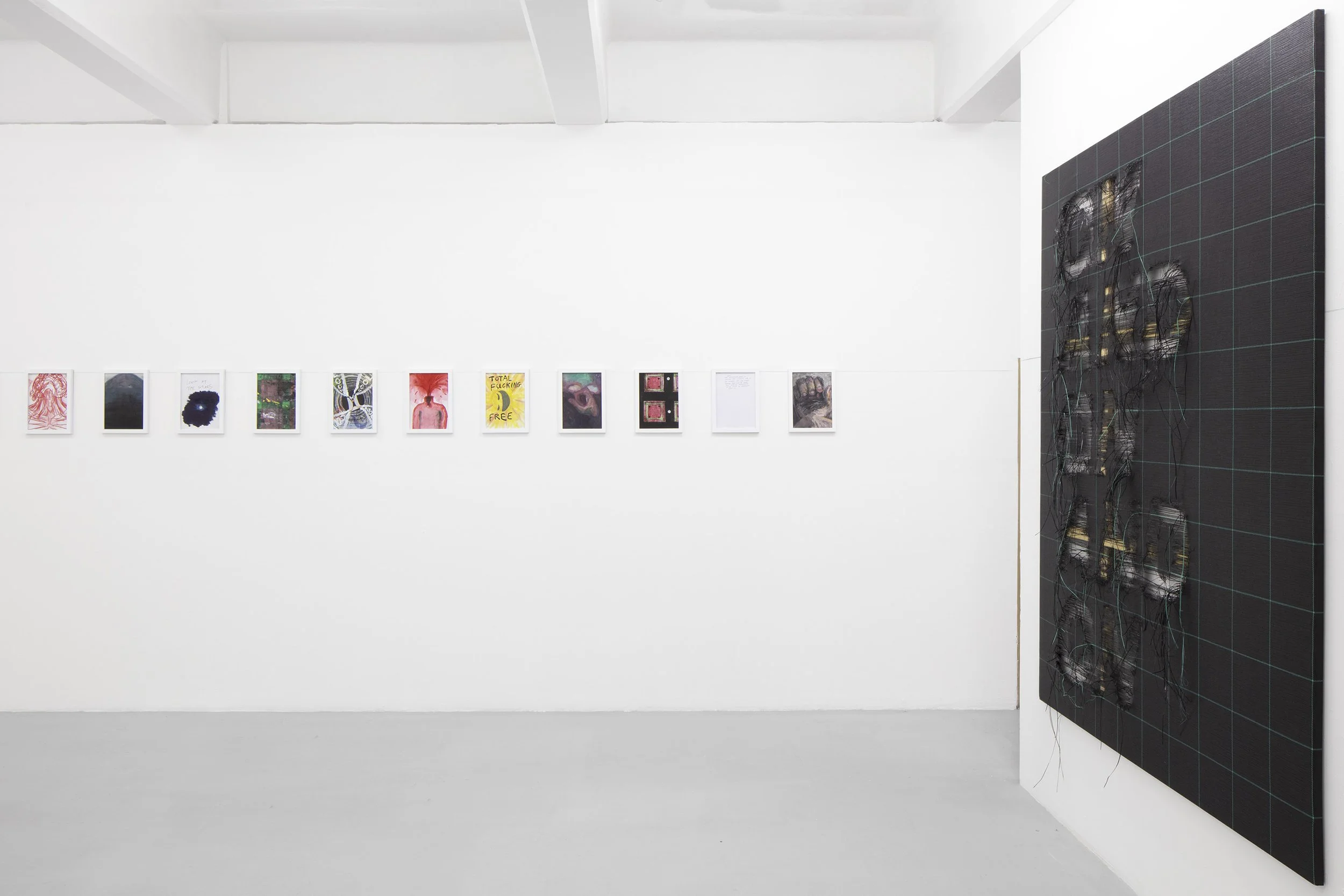
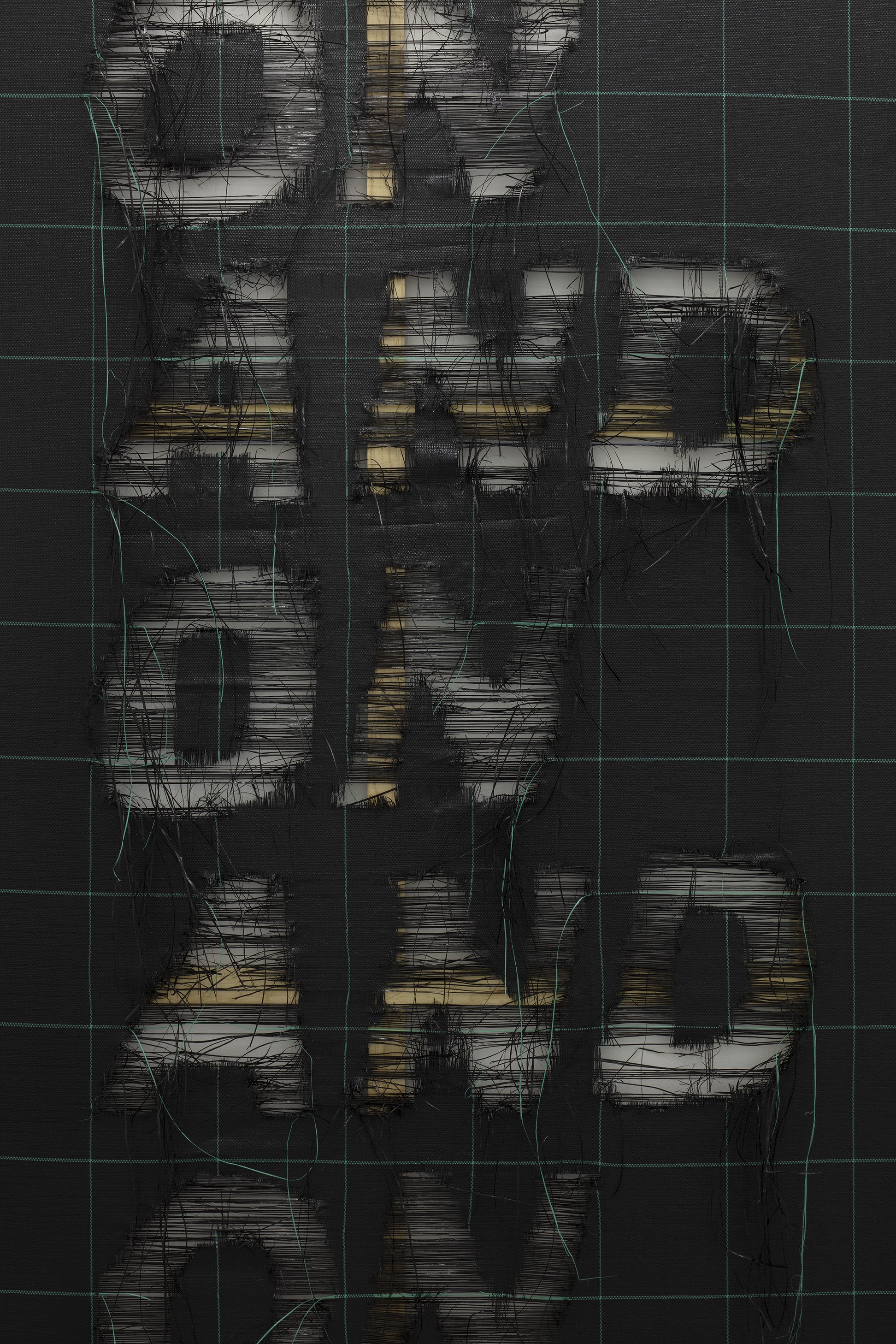
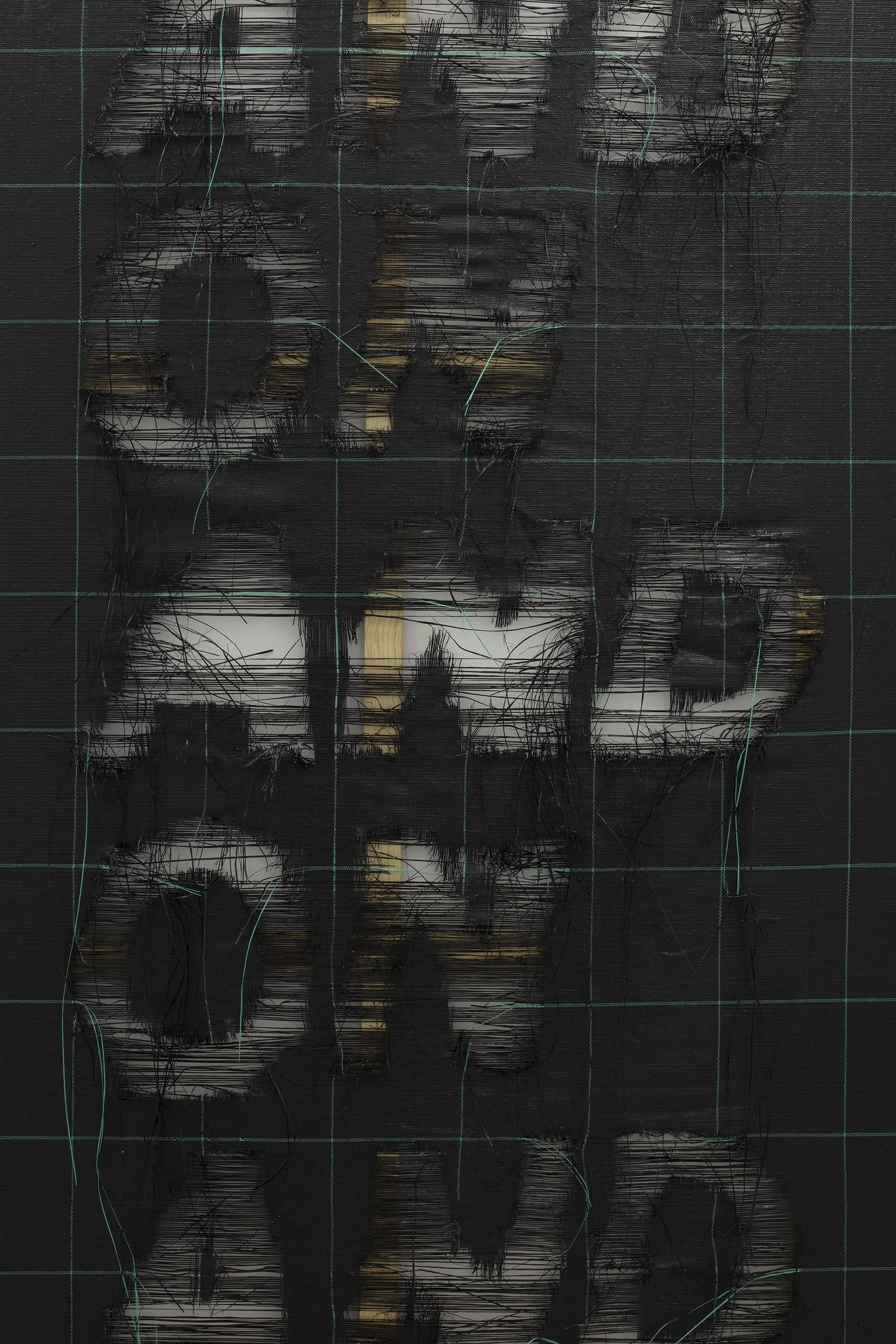
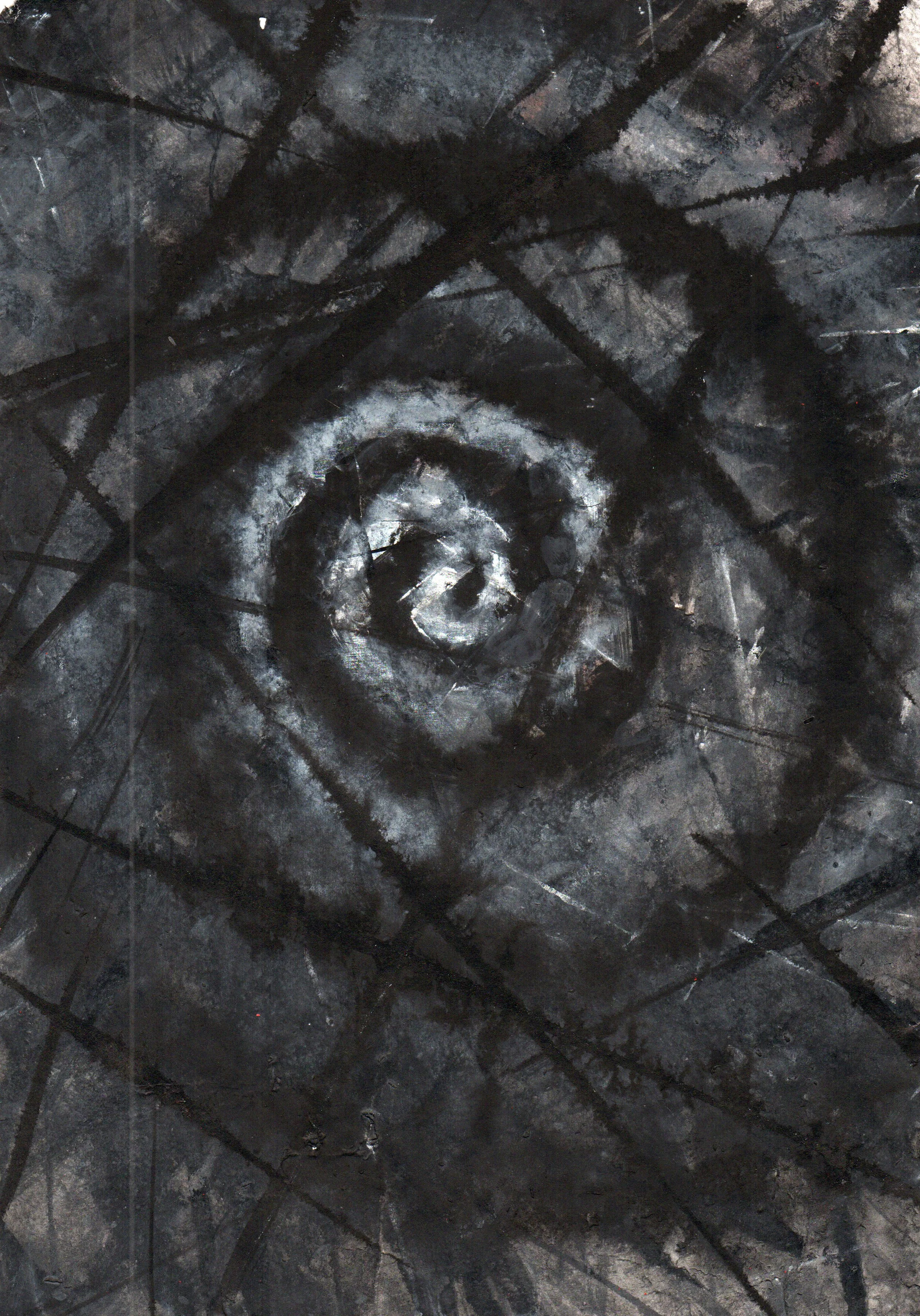
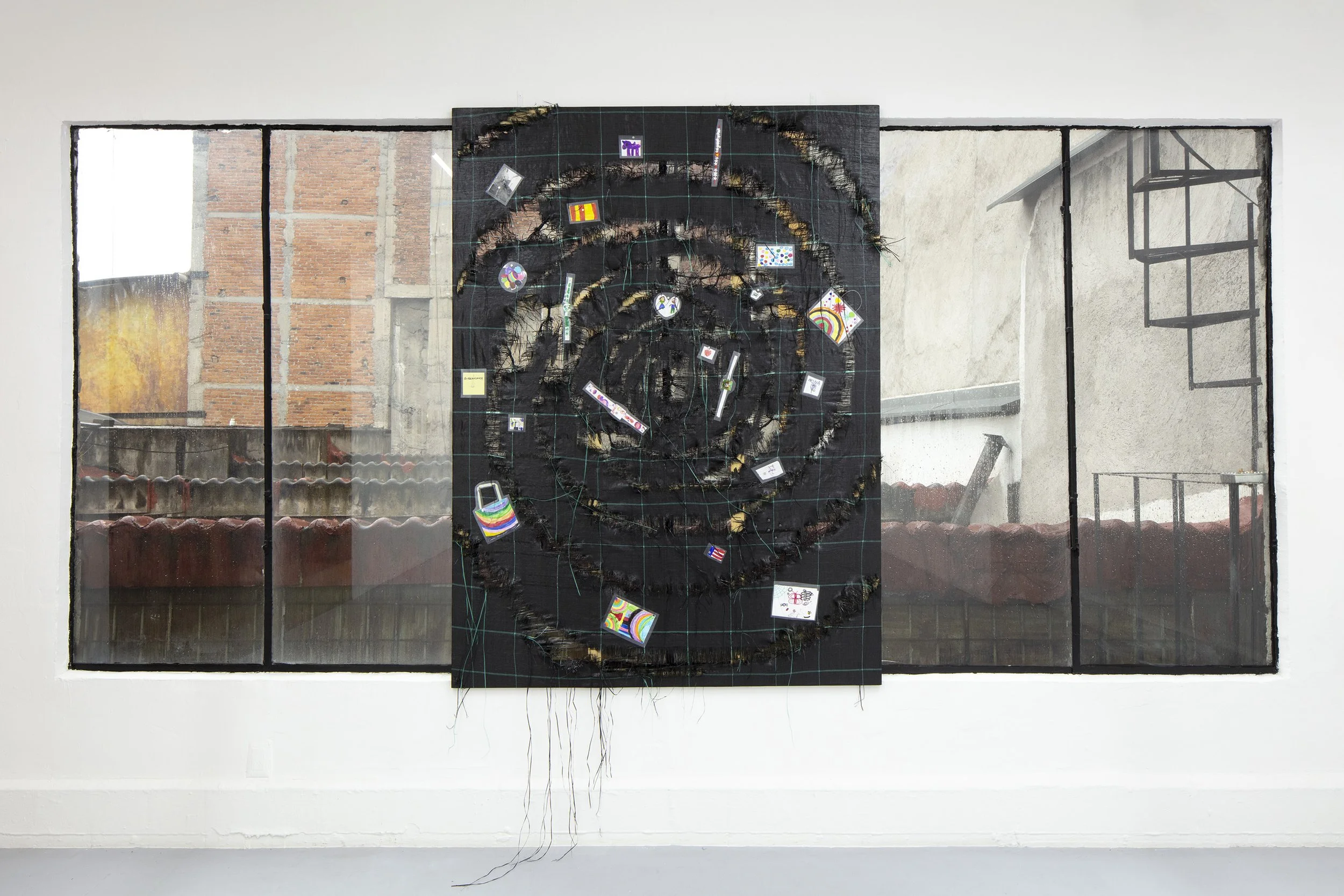
Starting and closing the circuit, the recent Chainsaw paintings explode the notion of scale between subtlety and danger, detail and perspective, between skill and brutality. Using landscaping fabric on a stretcher ripped with a chainsaw, forcefulness and precision coexist as an index of existential fervor. The writing, calculated and unwoven as radically as they are scrupulous, insist once again on the circularity of all movement: On and on and on and on dilutes the idea of a beginning and an end, and connects the dots in a spiral form, from the inside out and in all directions.
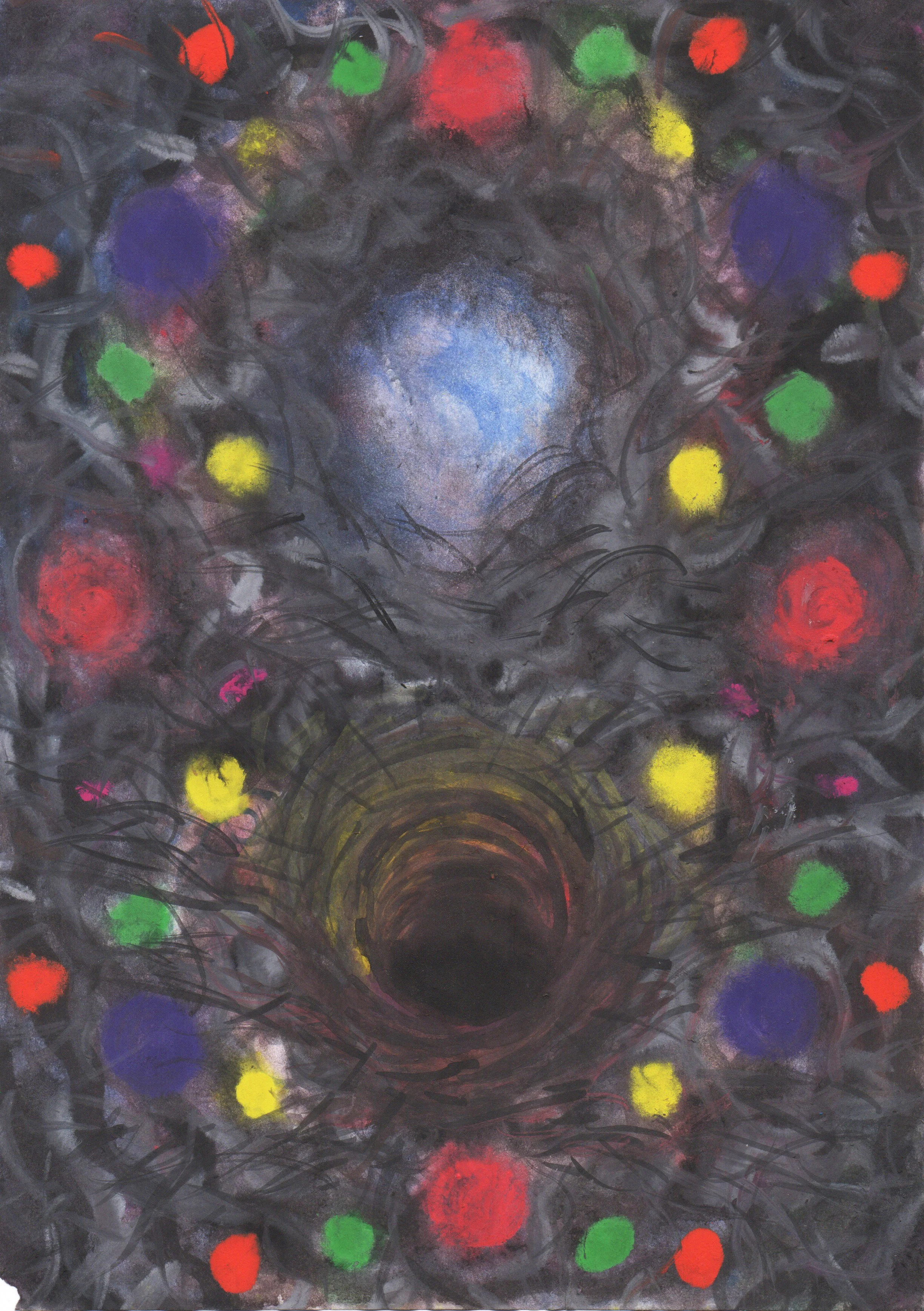
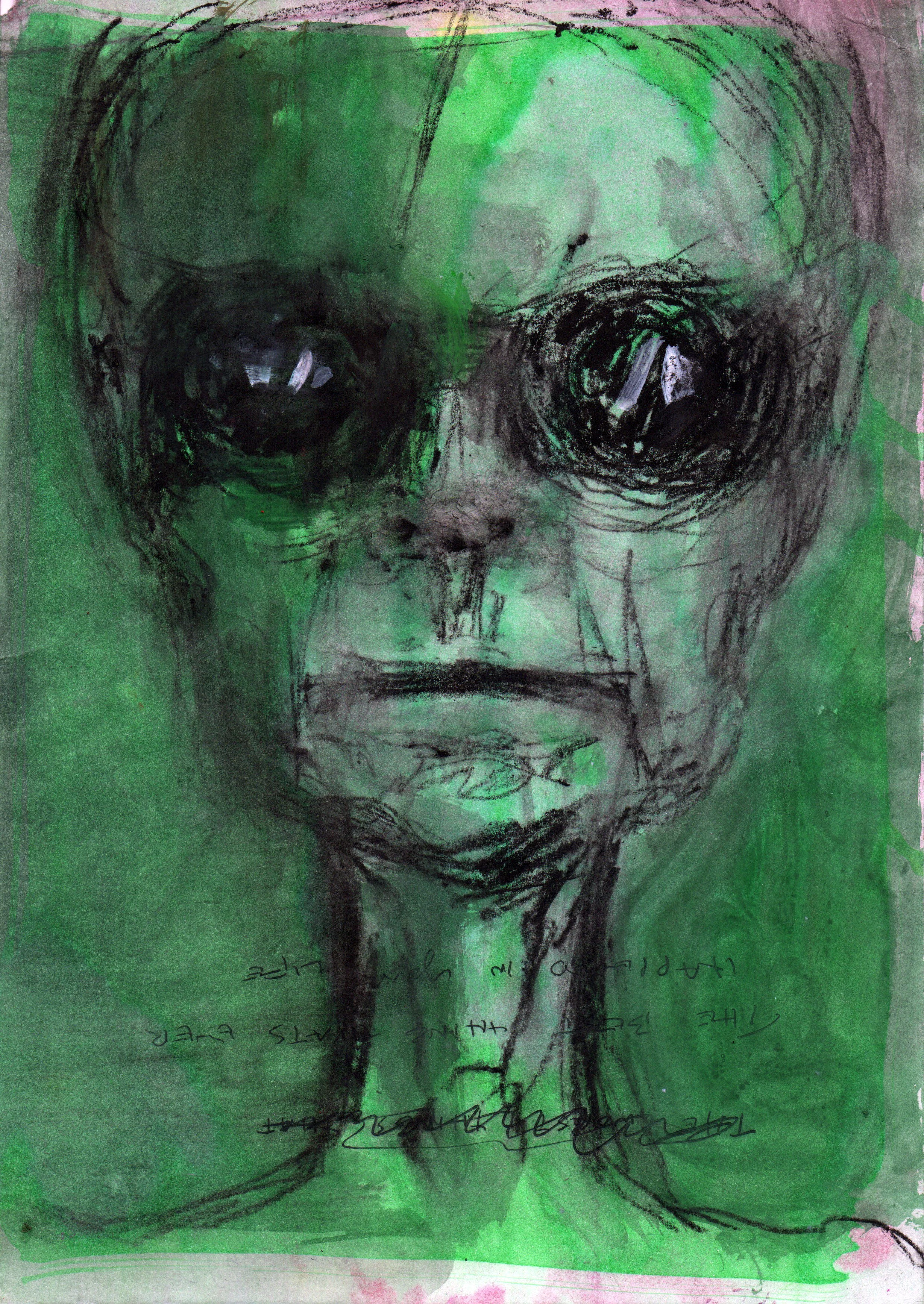
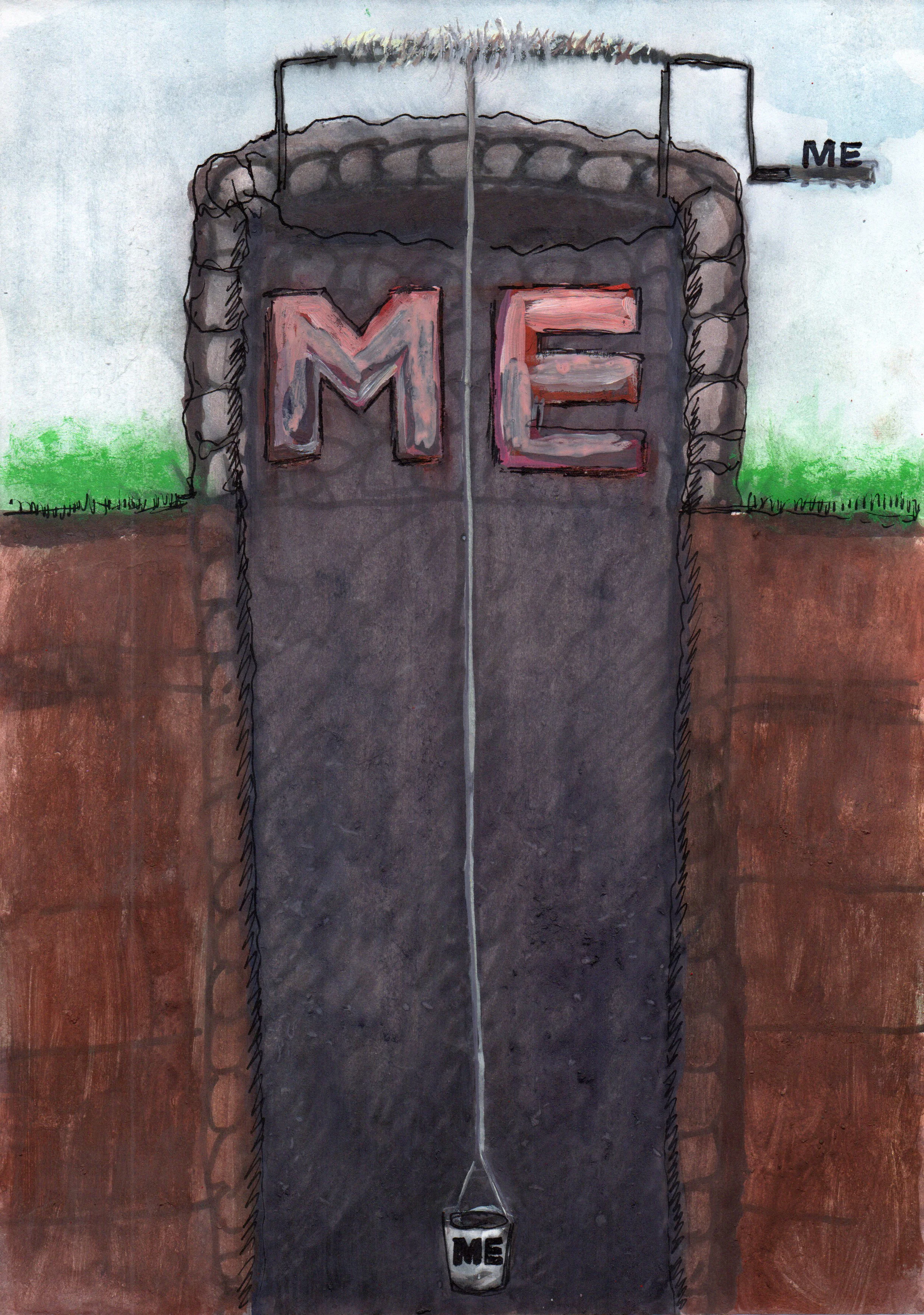
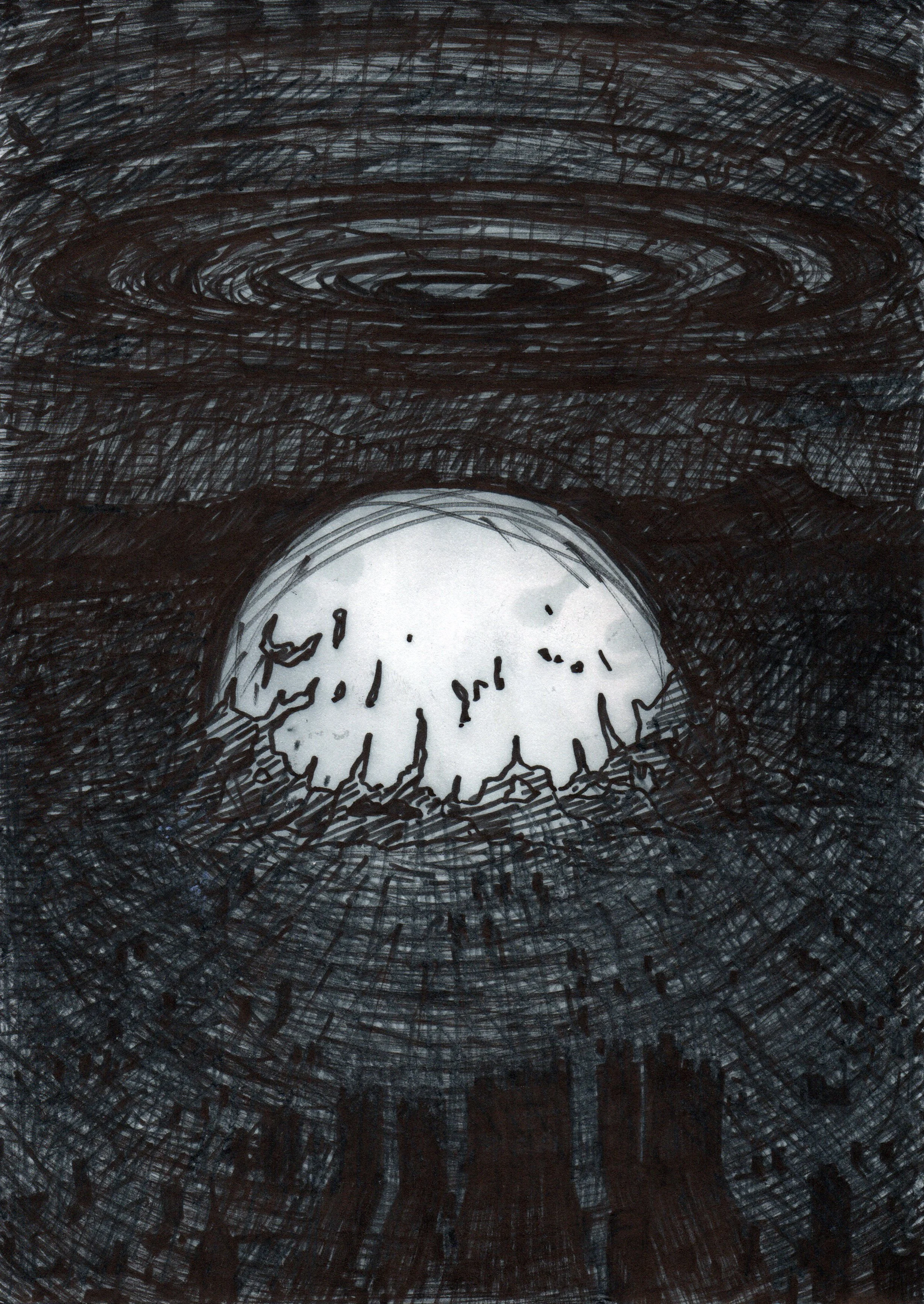
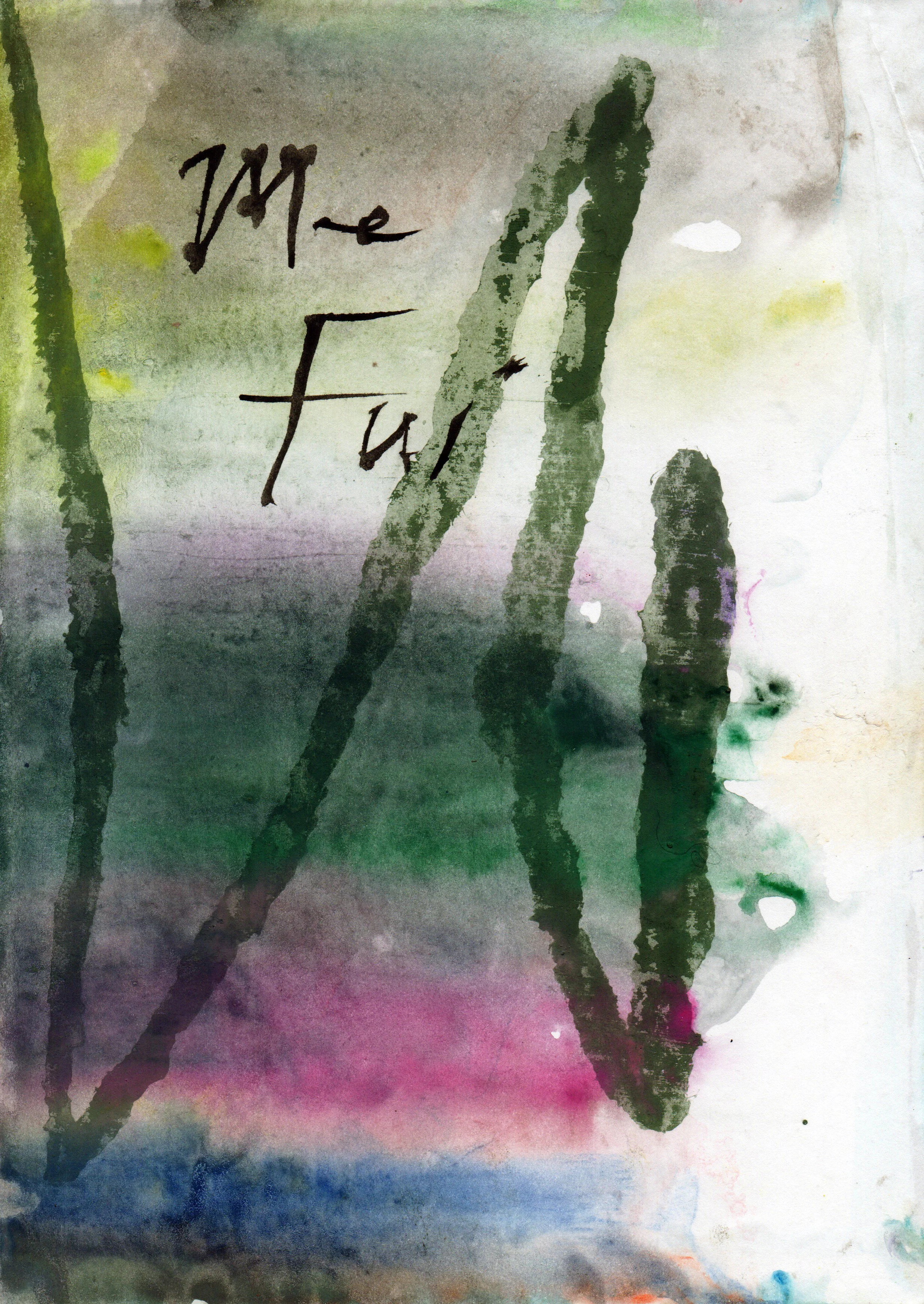
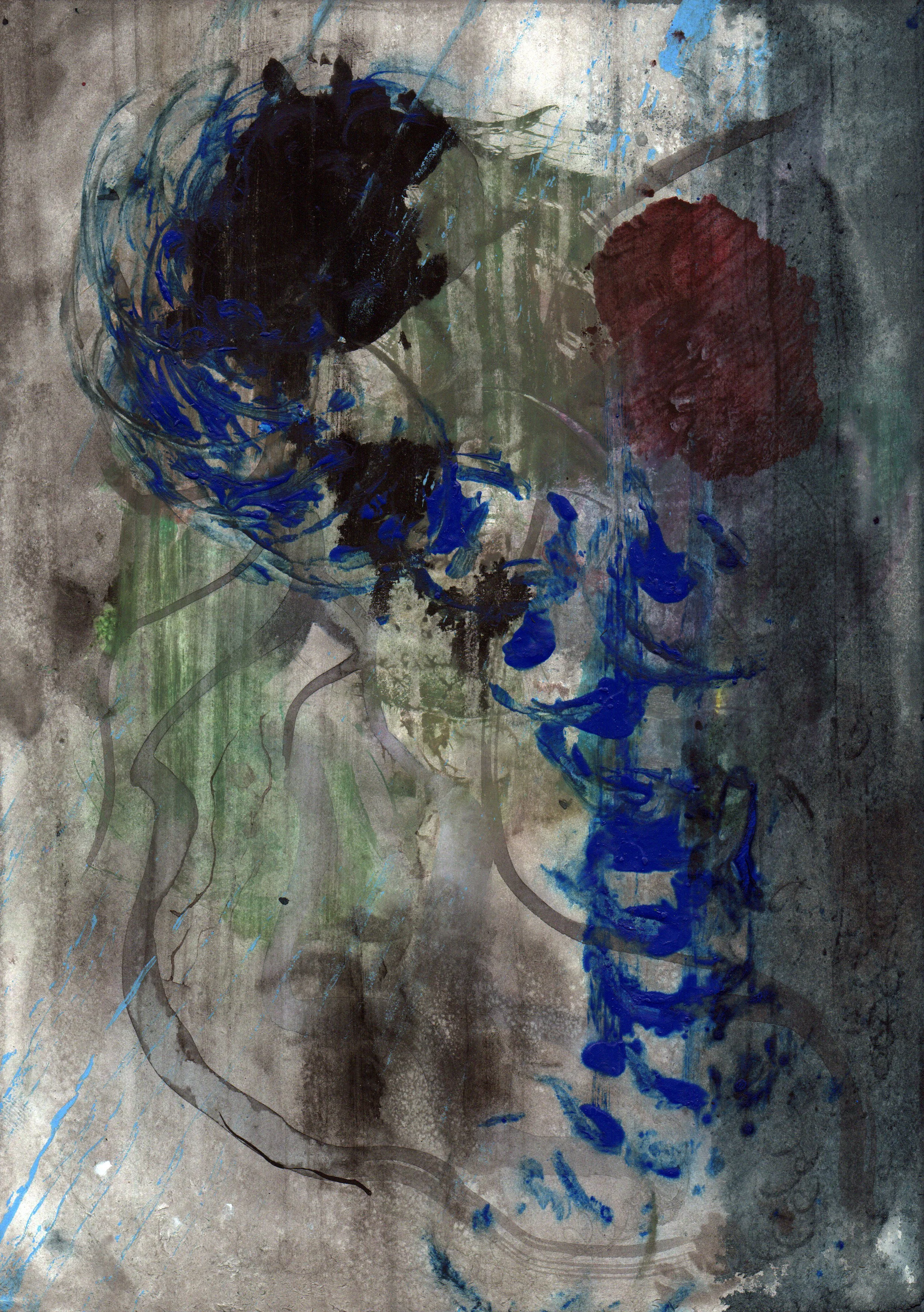
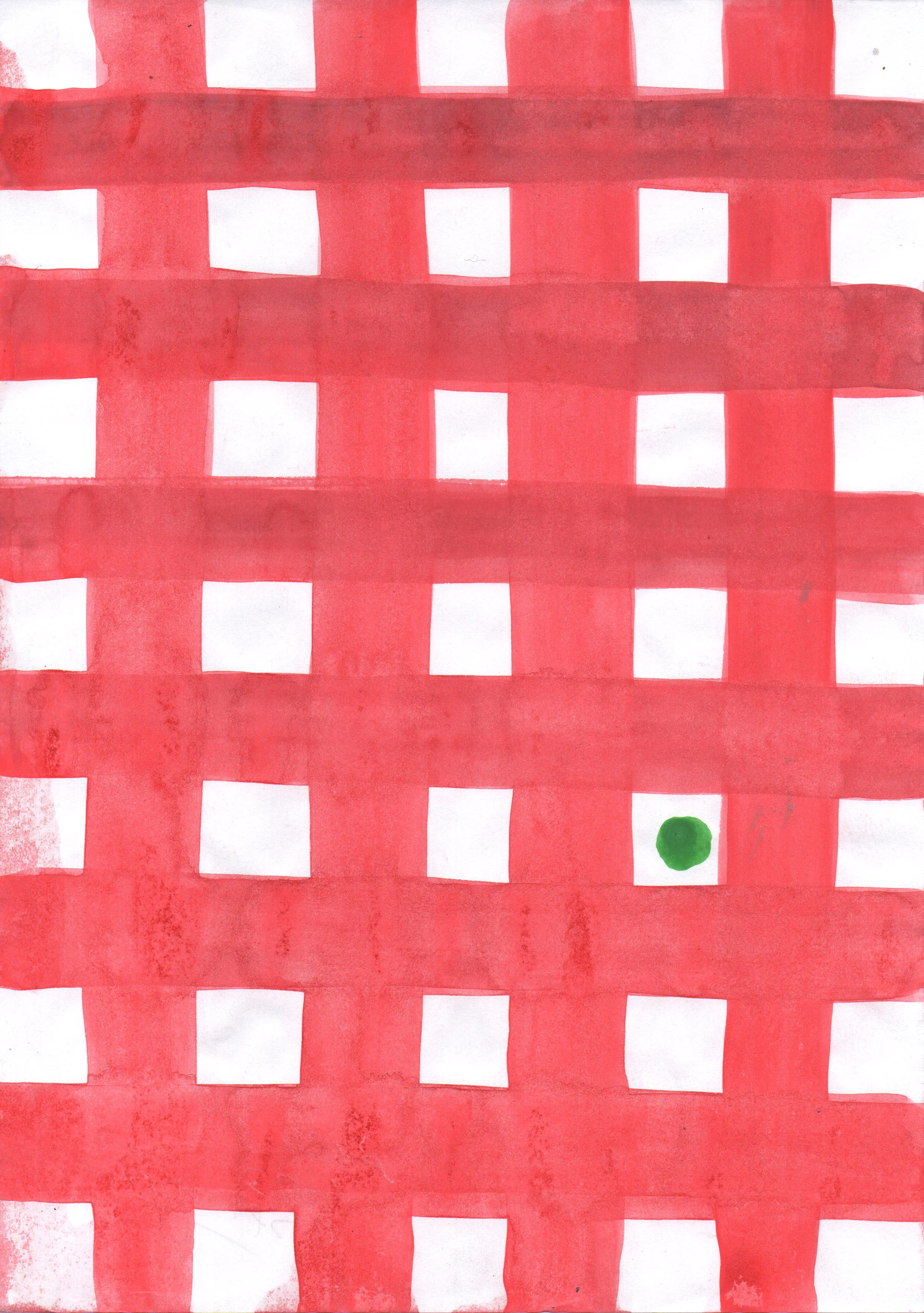
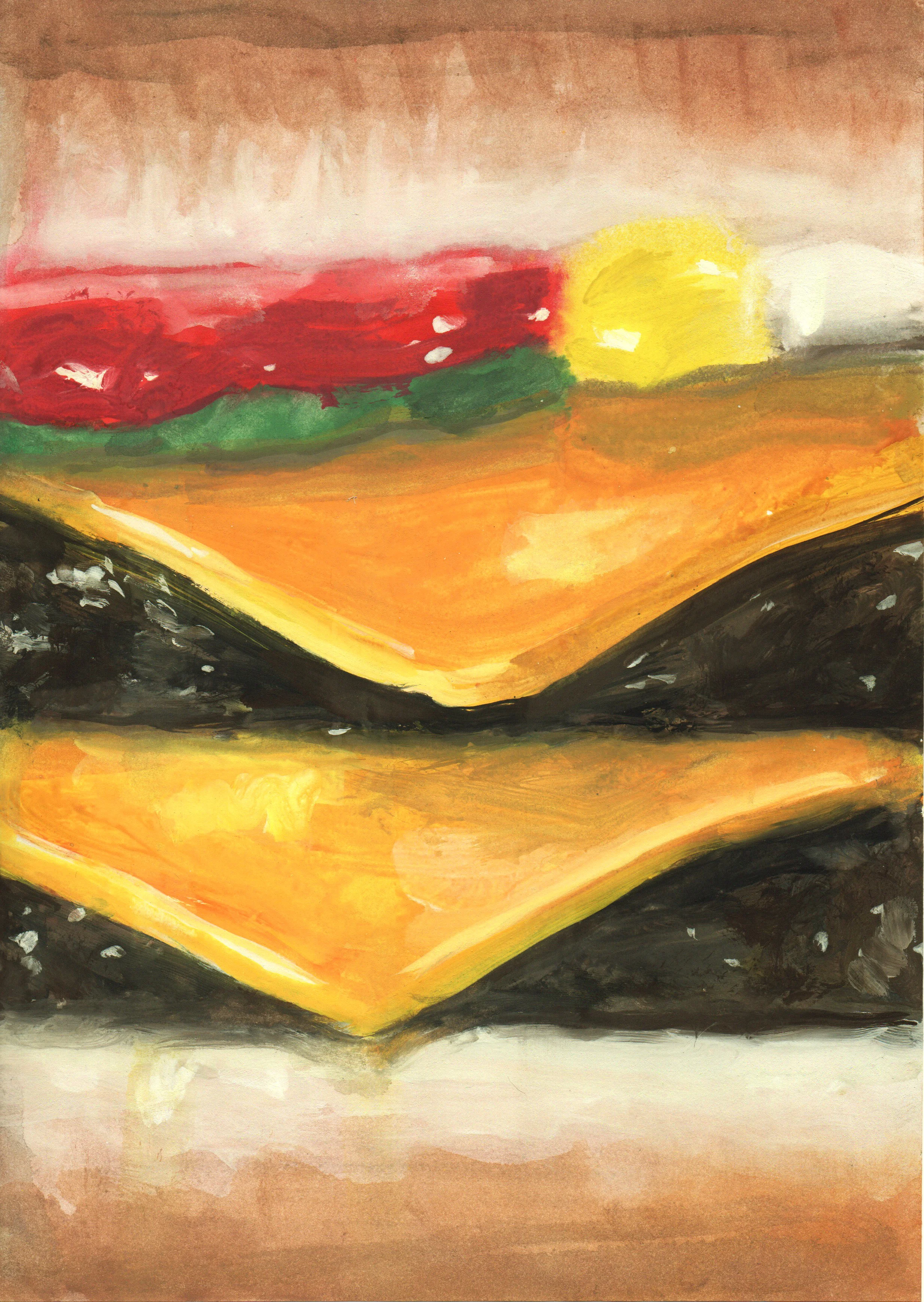
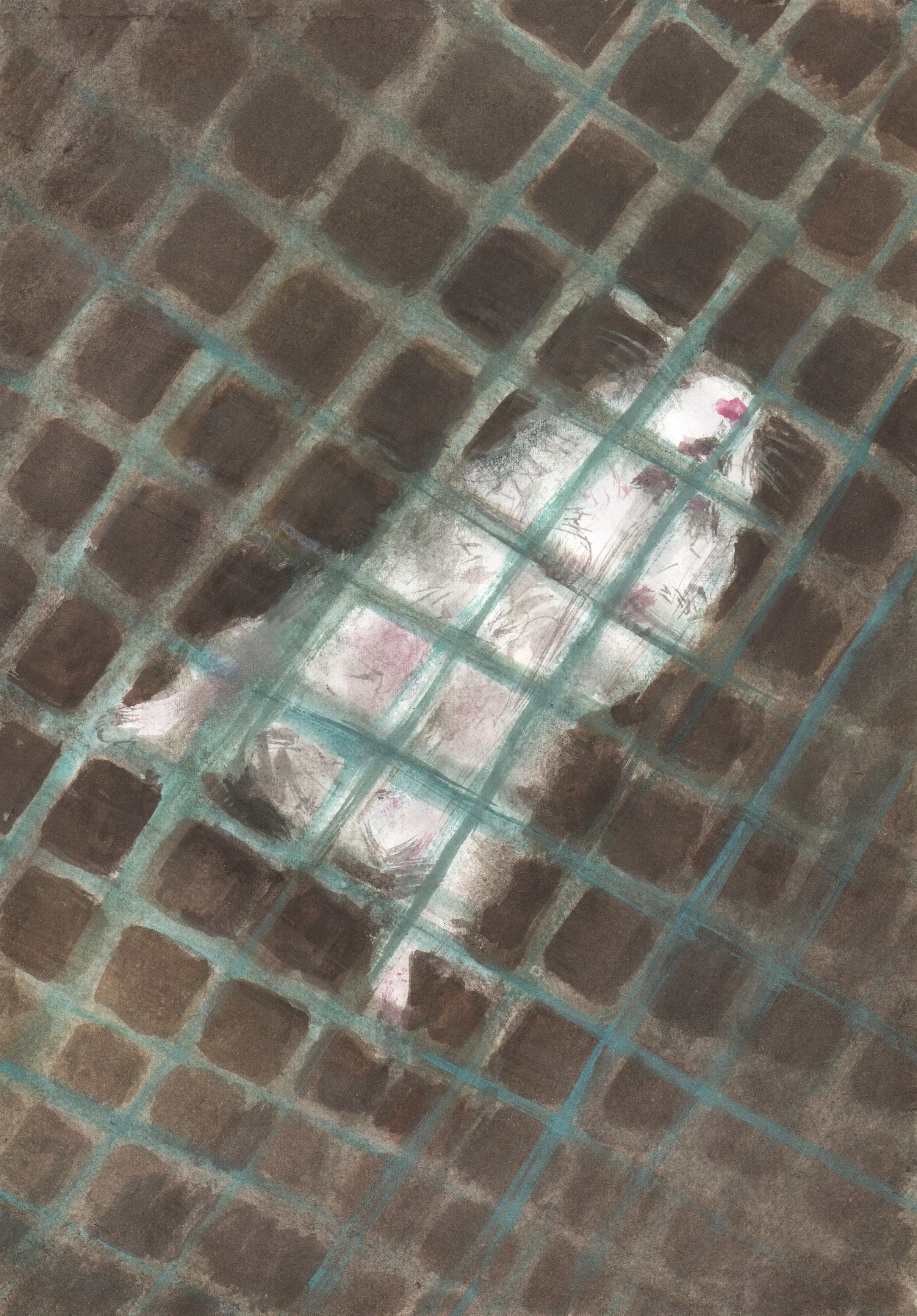
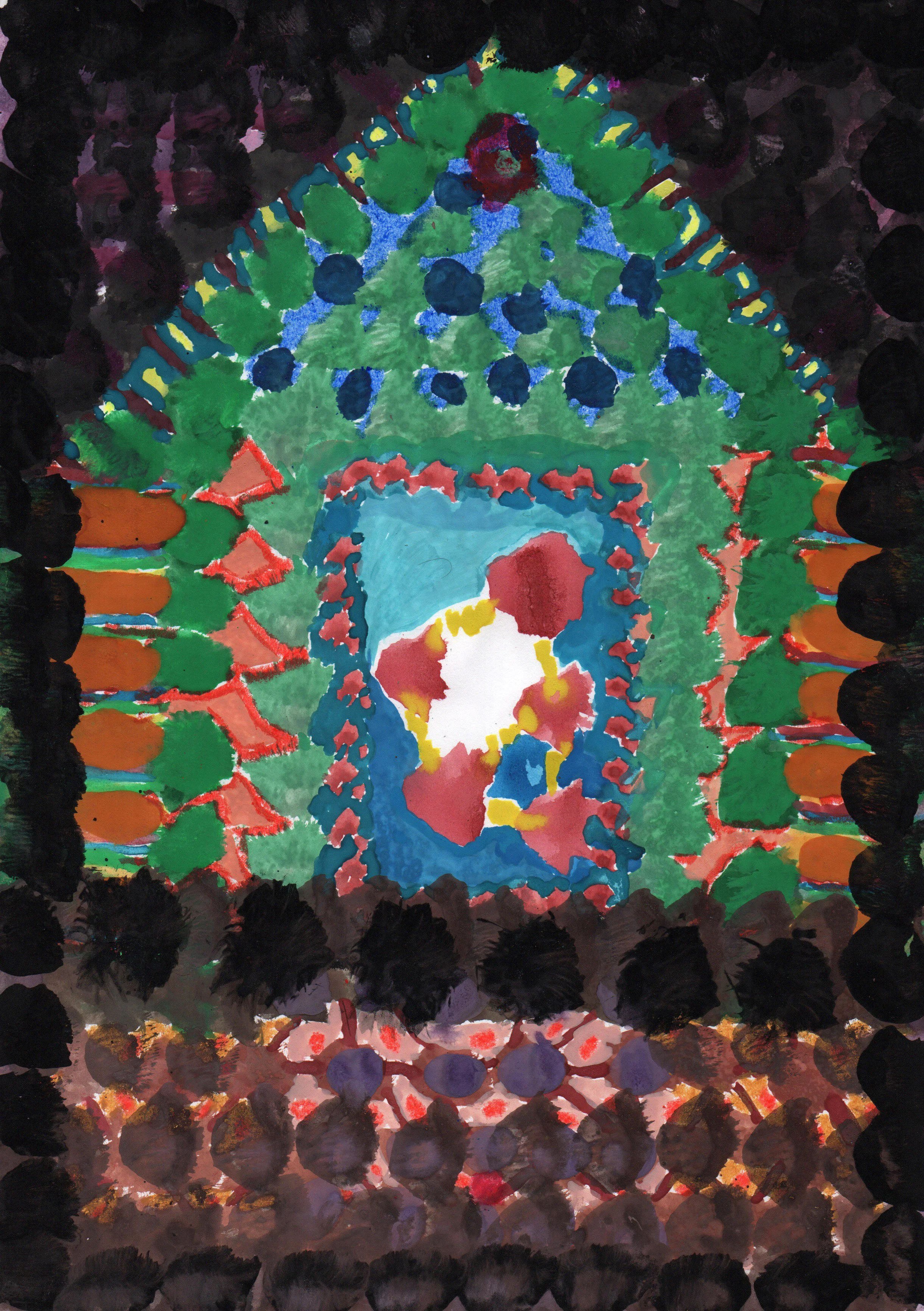
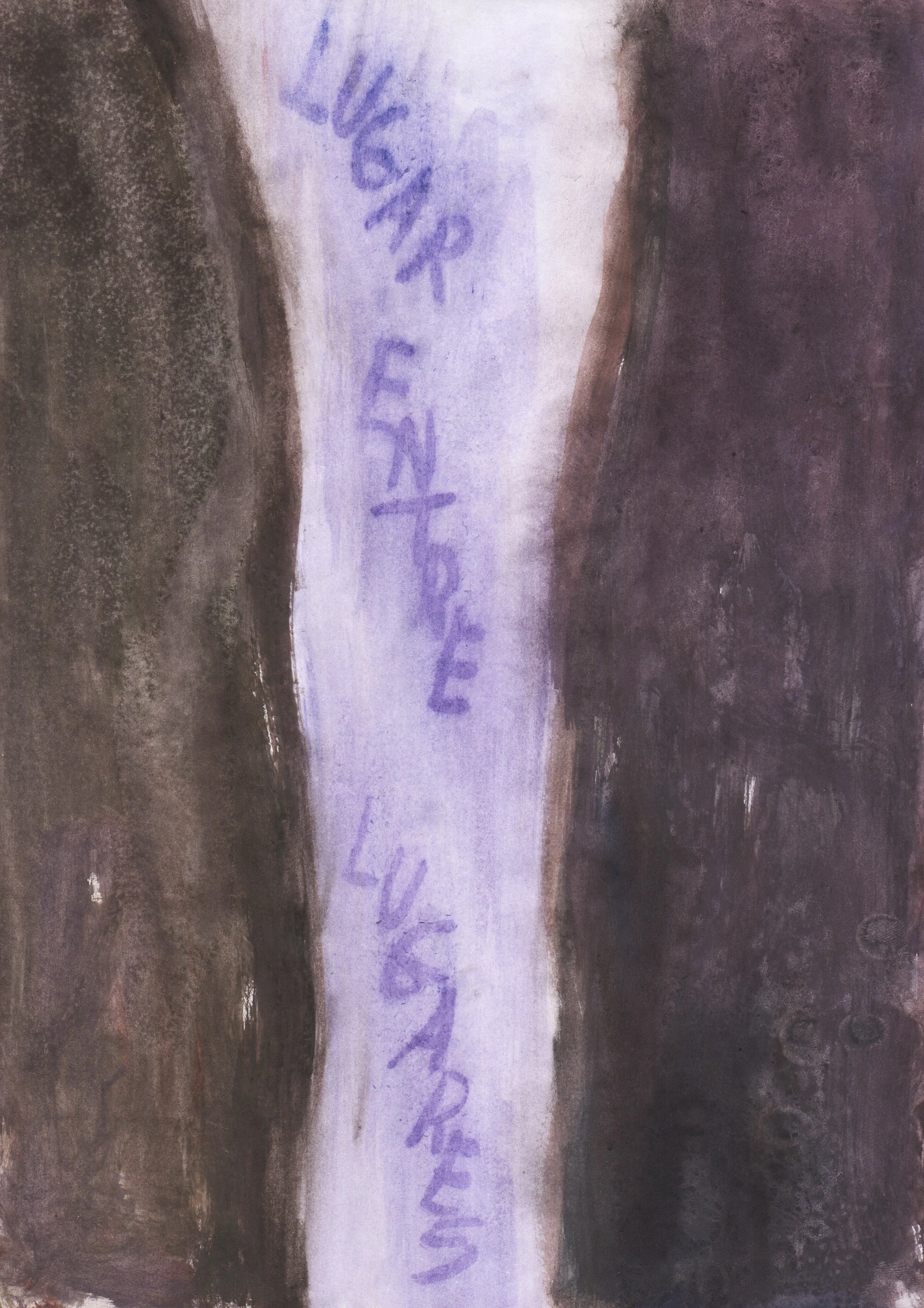
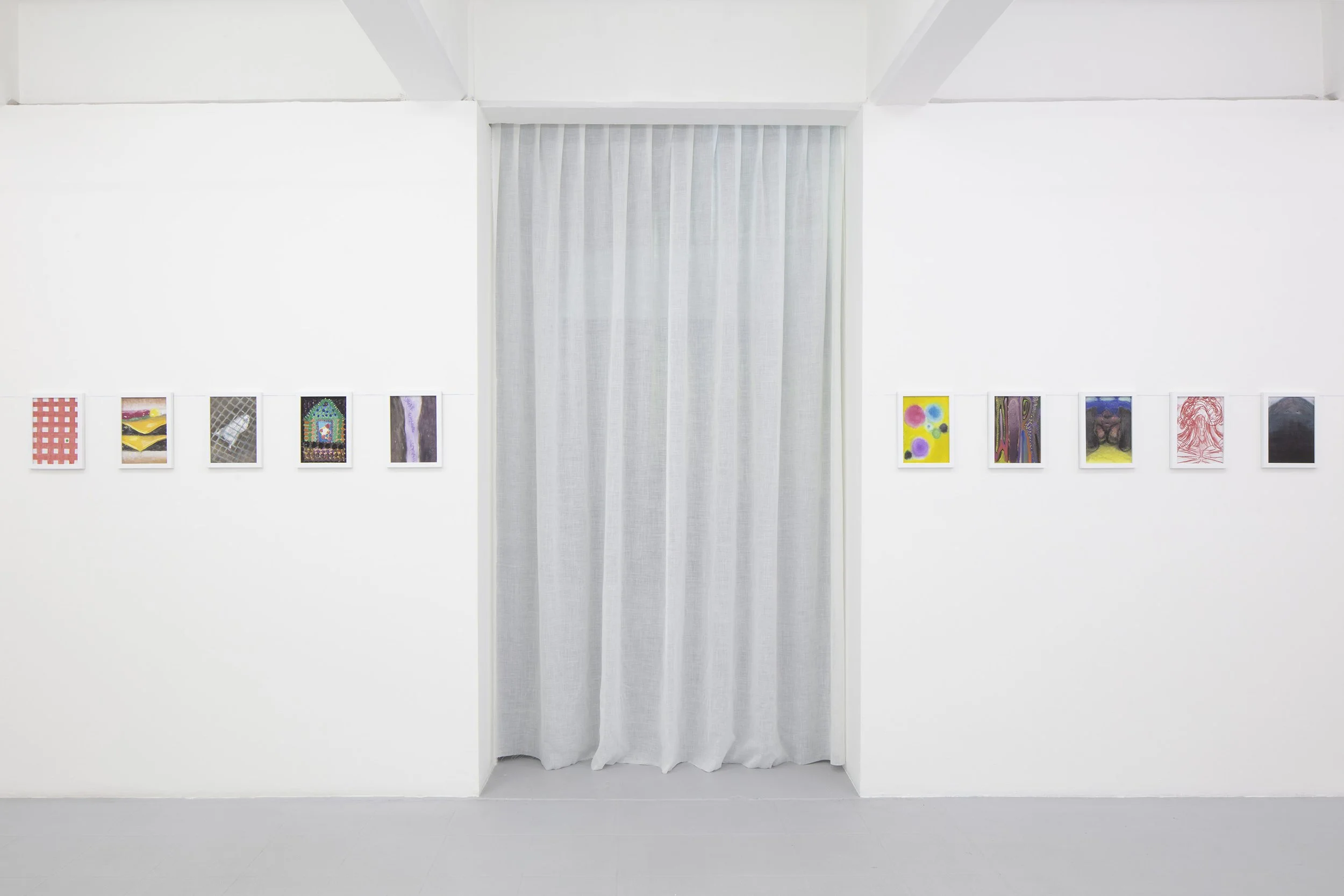
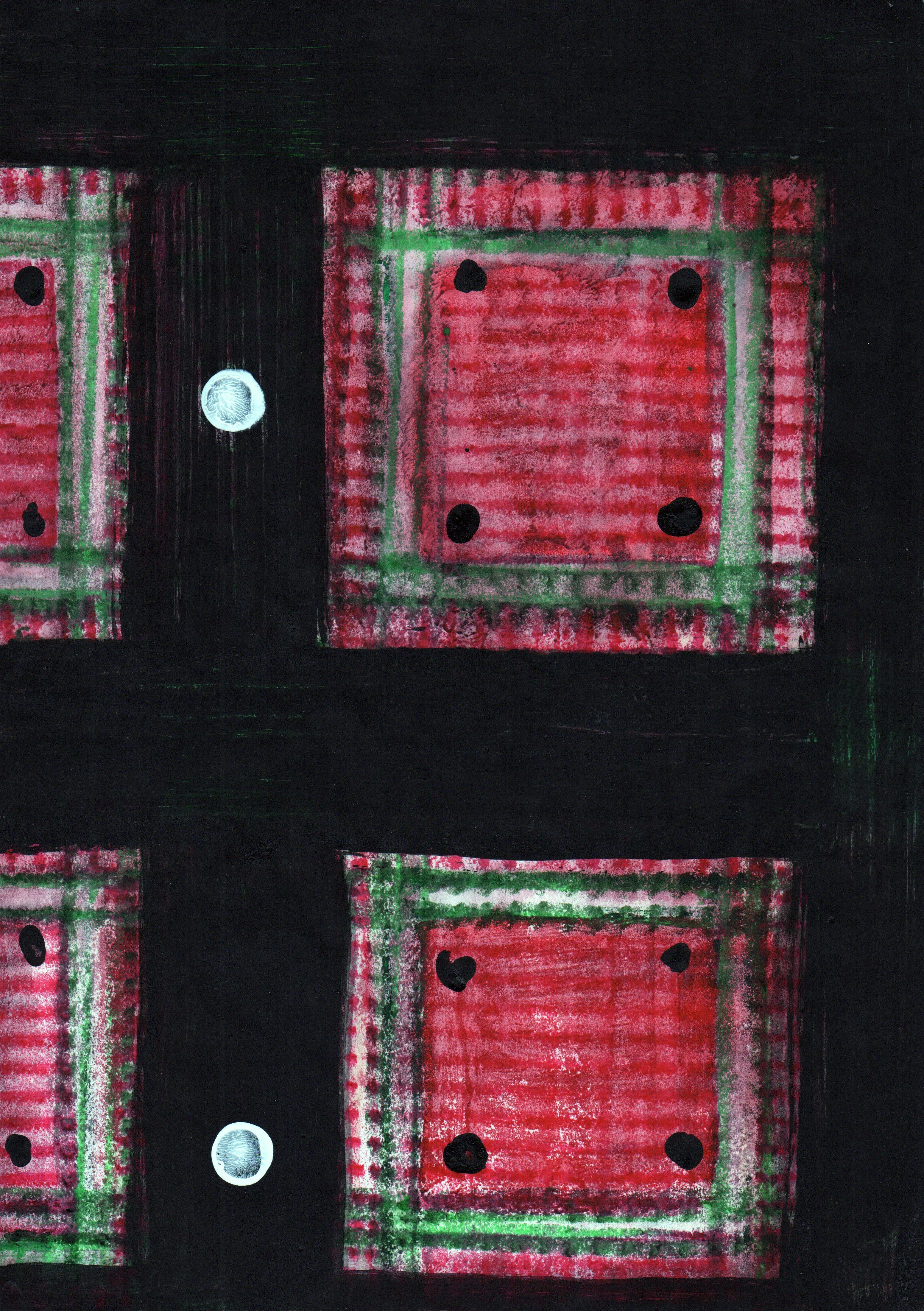
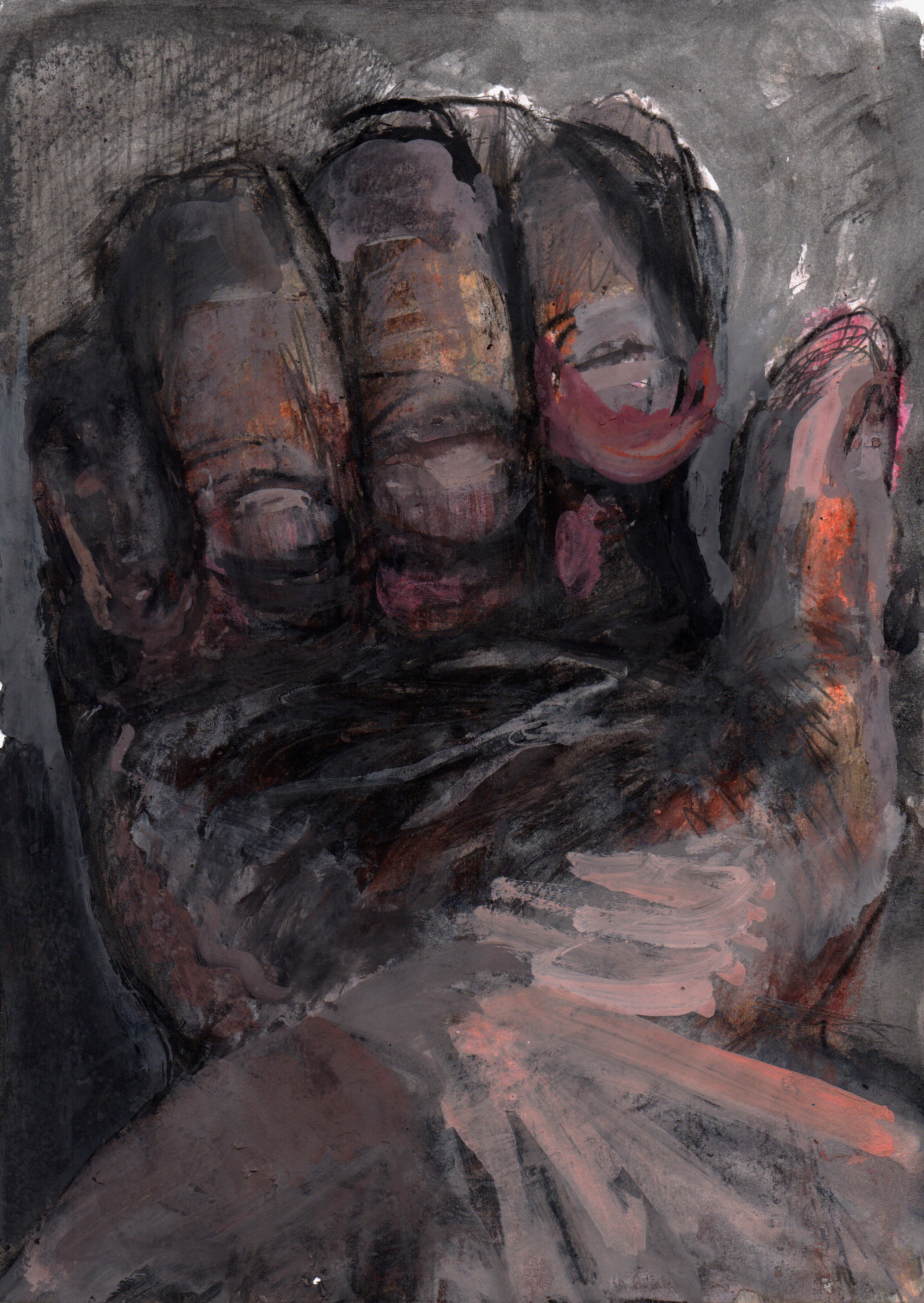
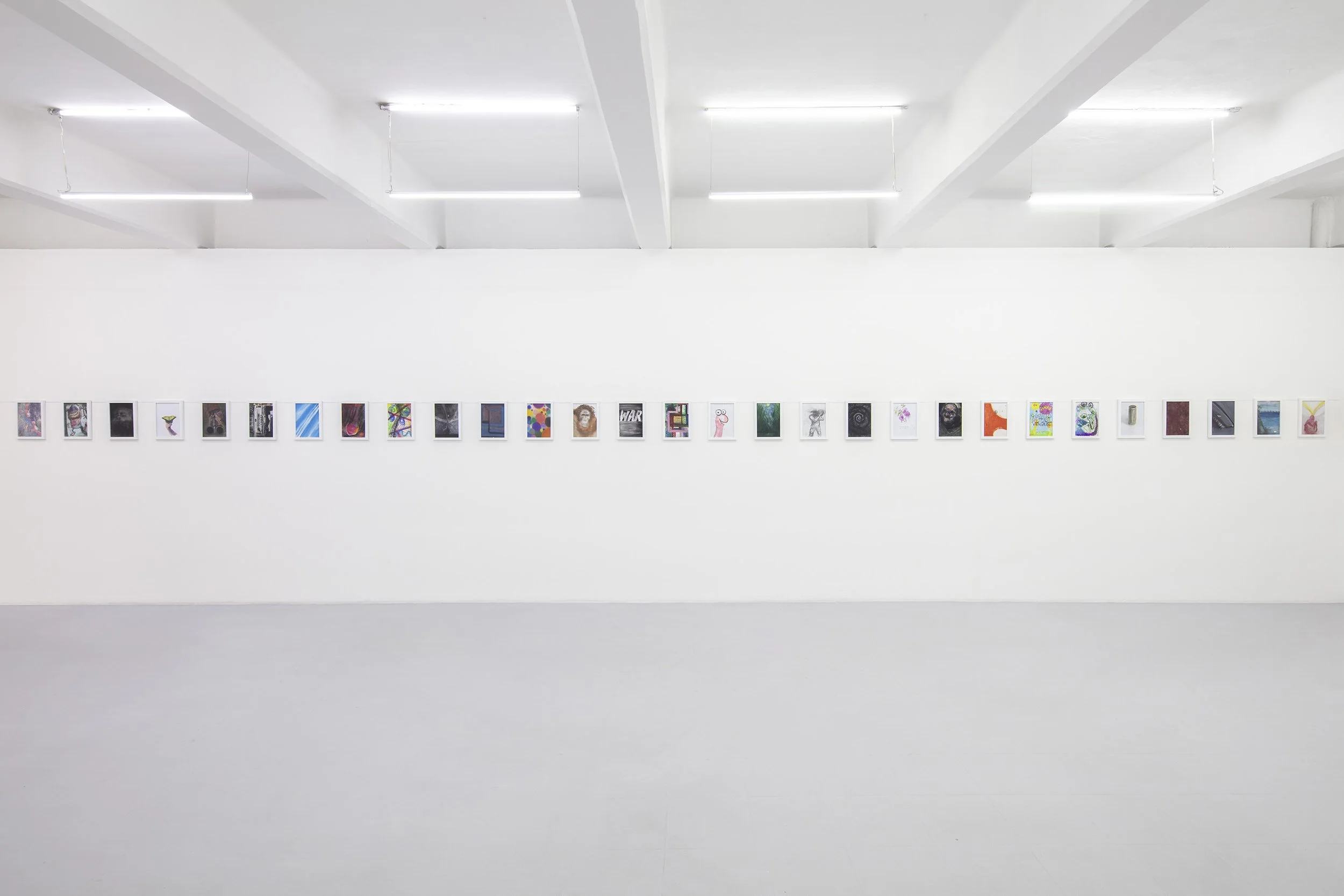
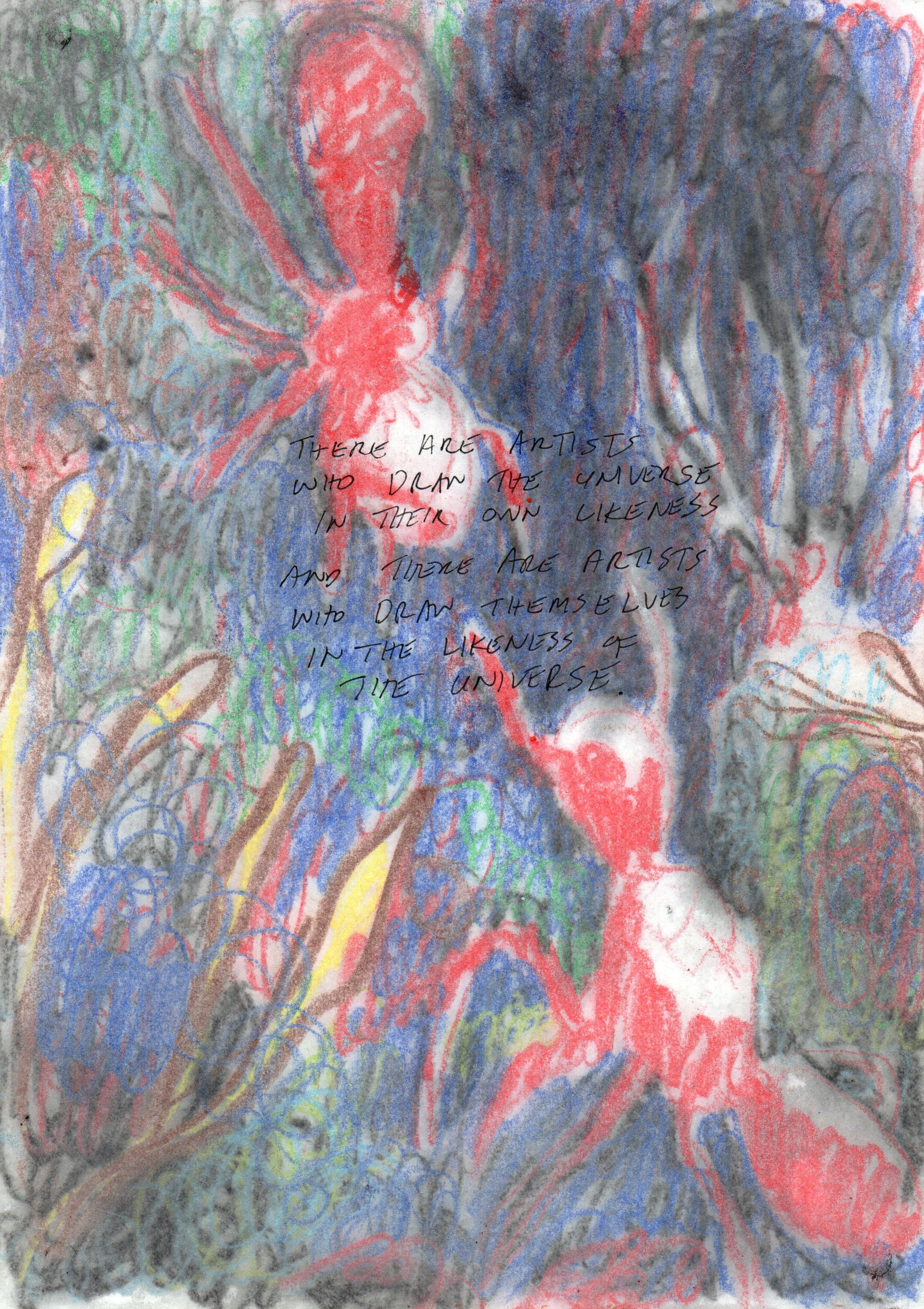
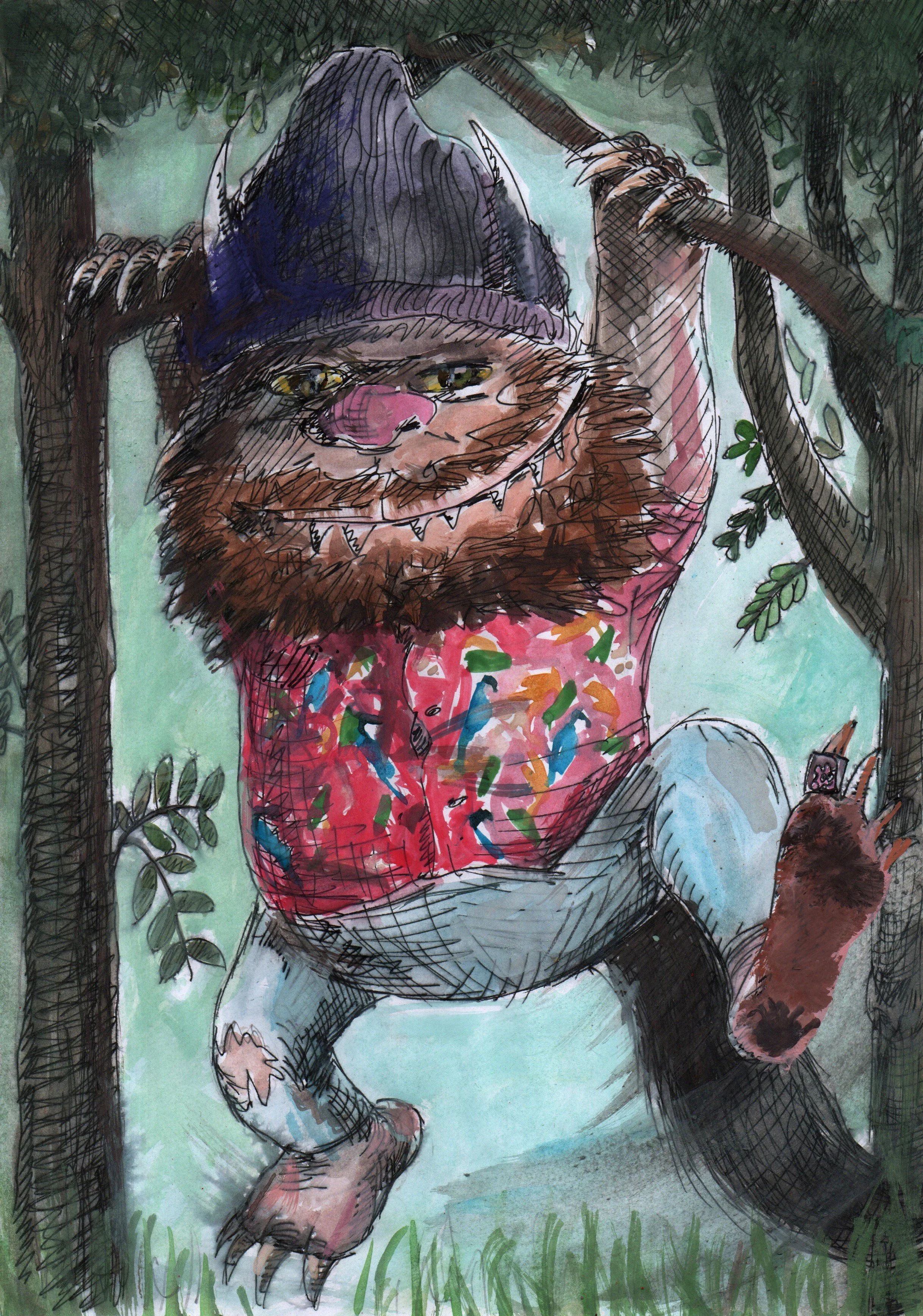
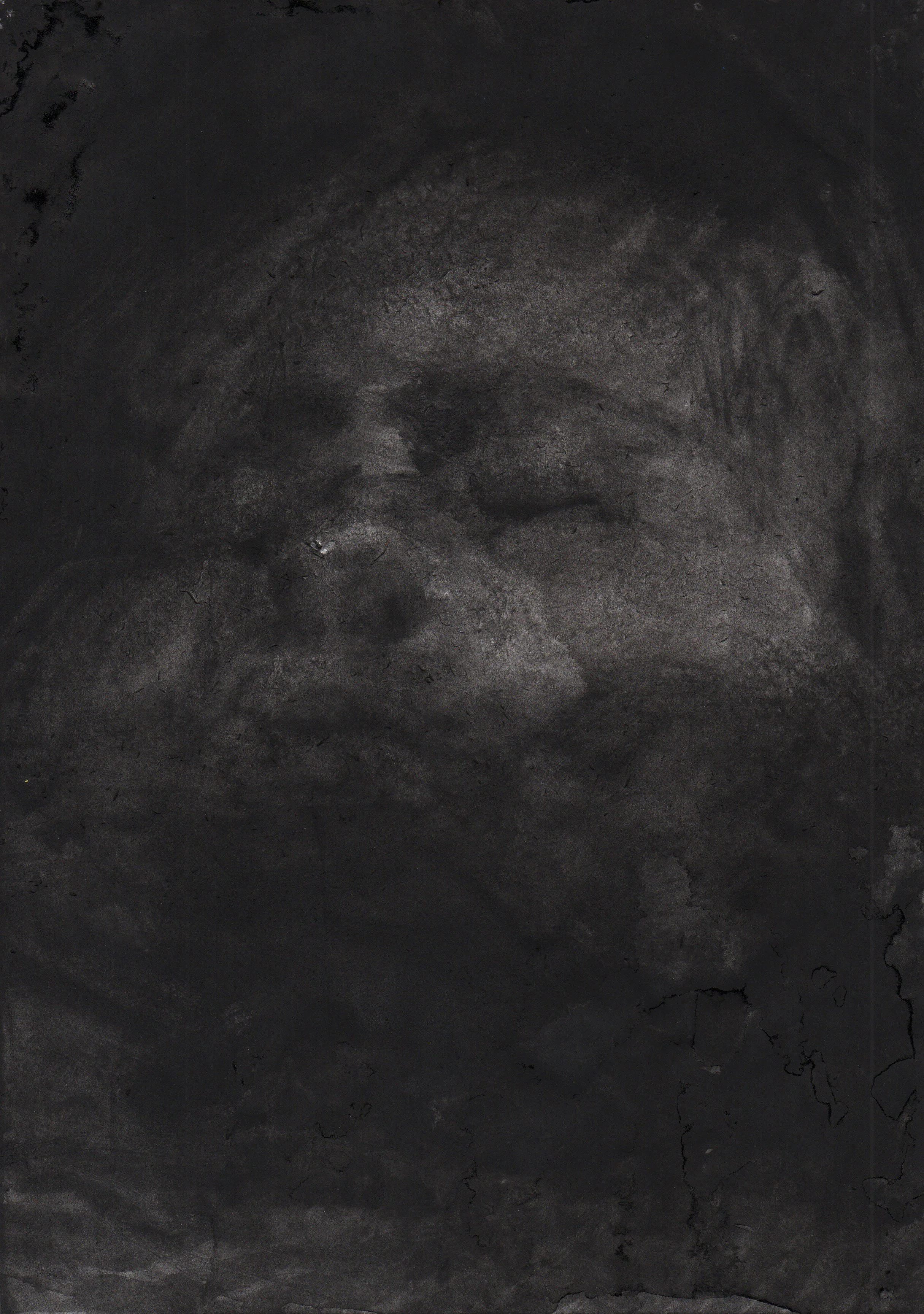
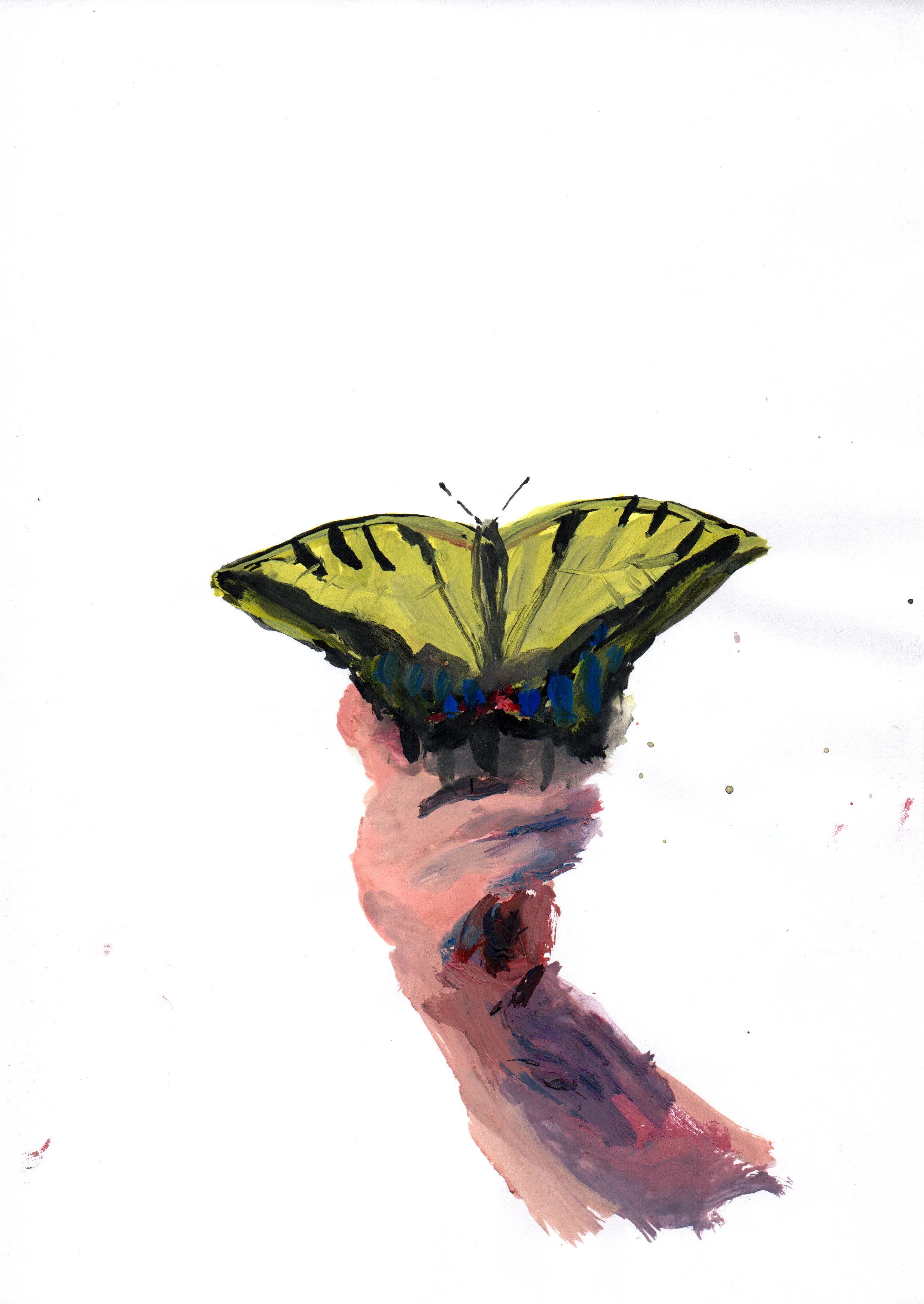
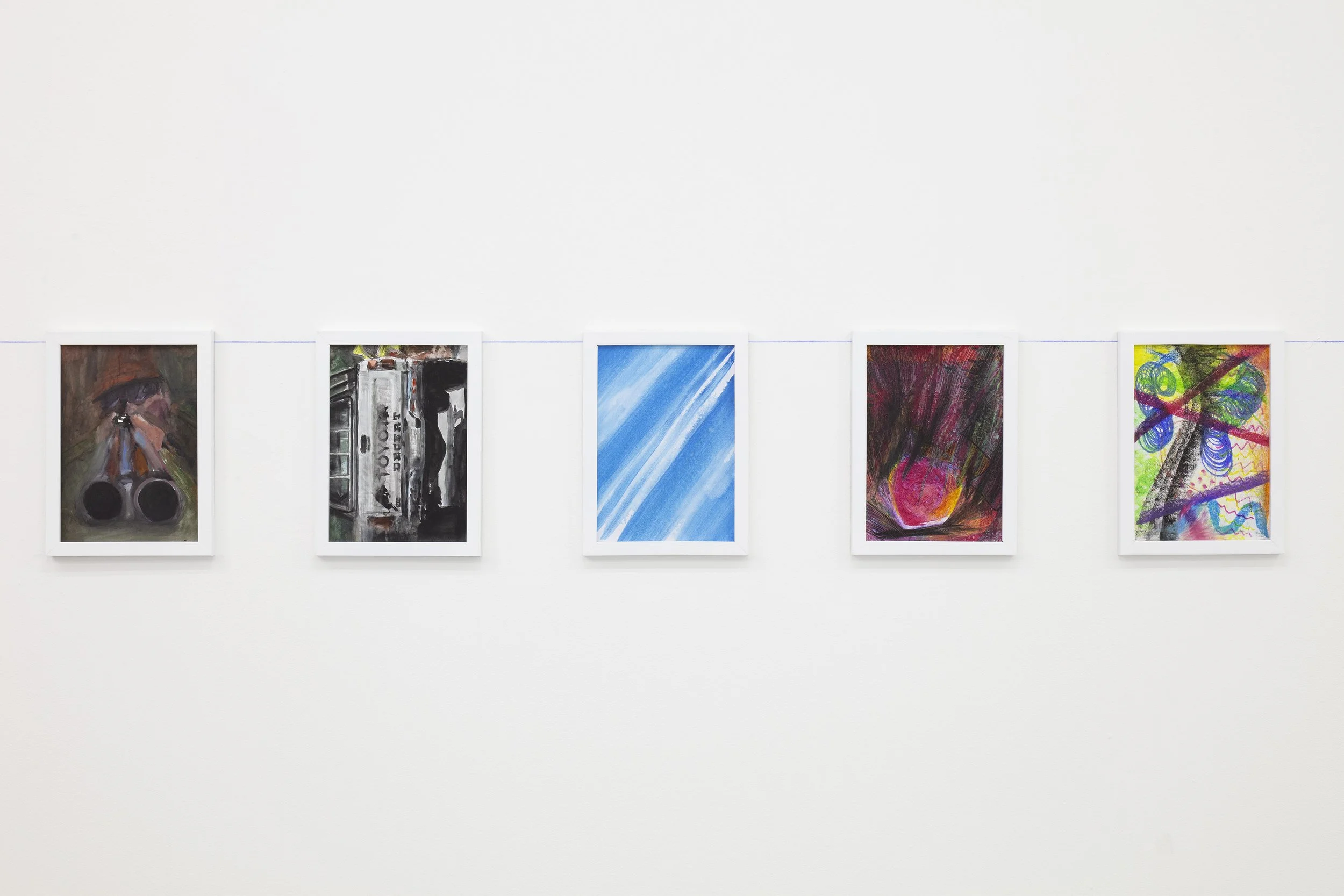
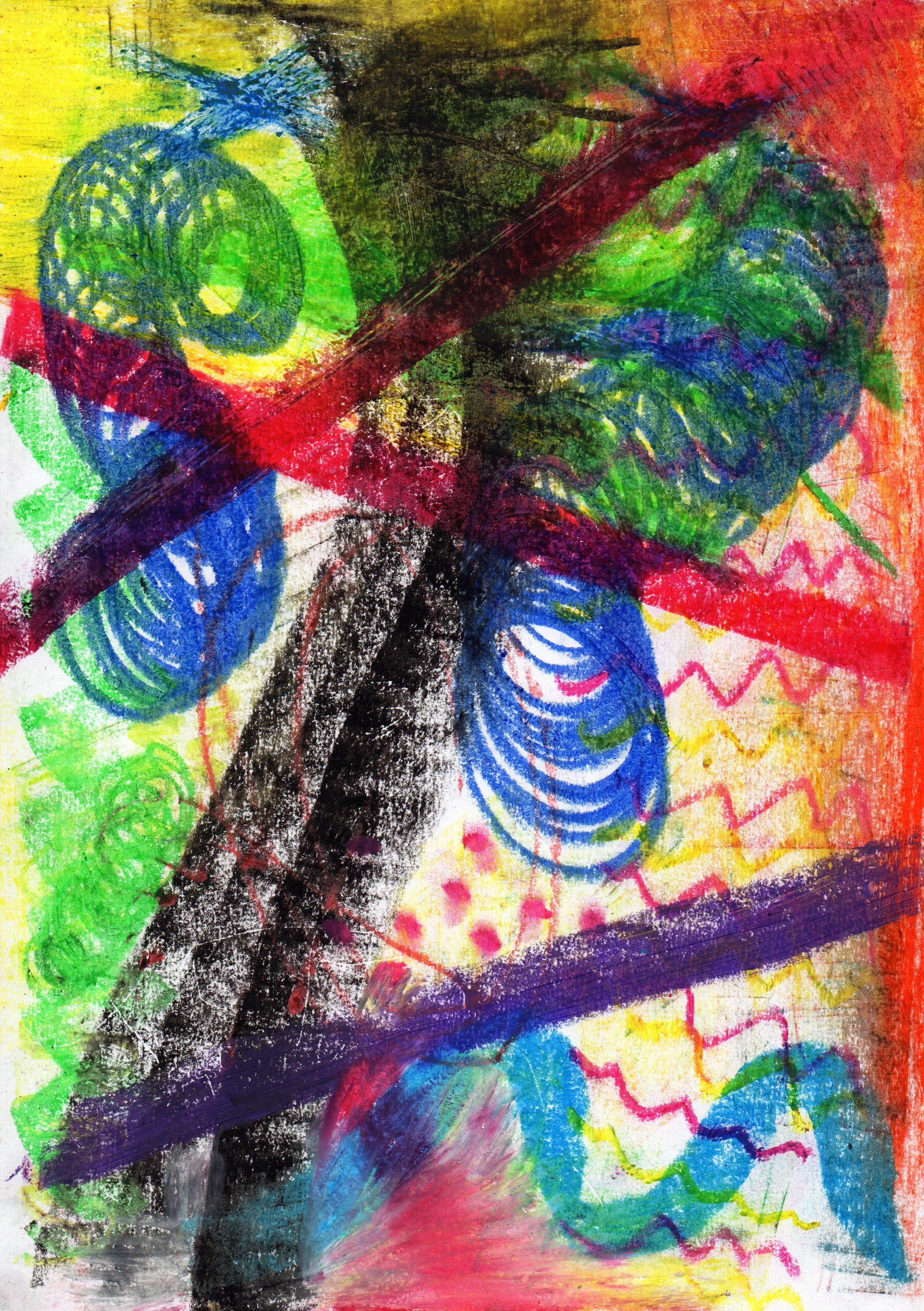
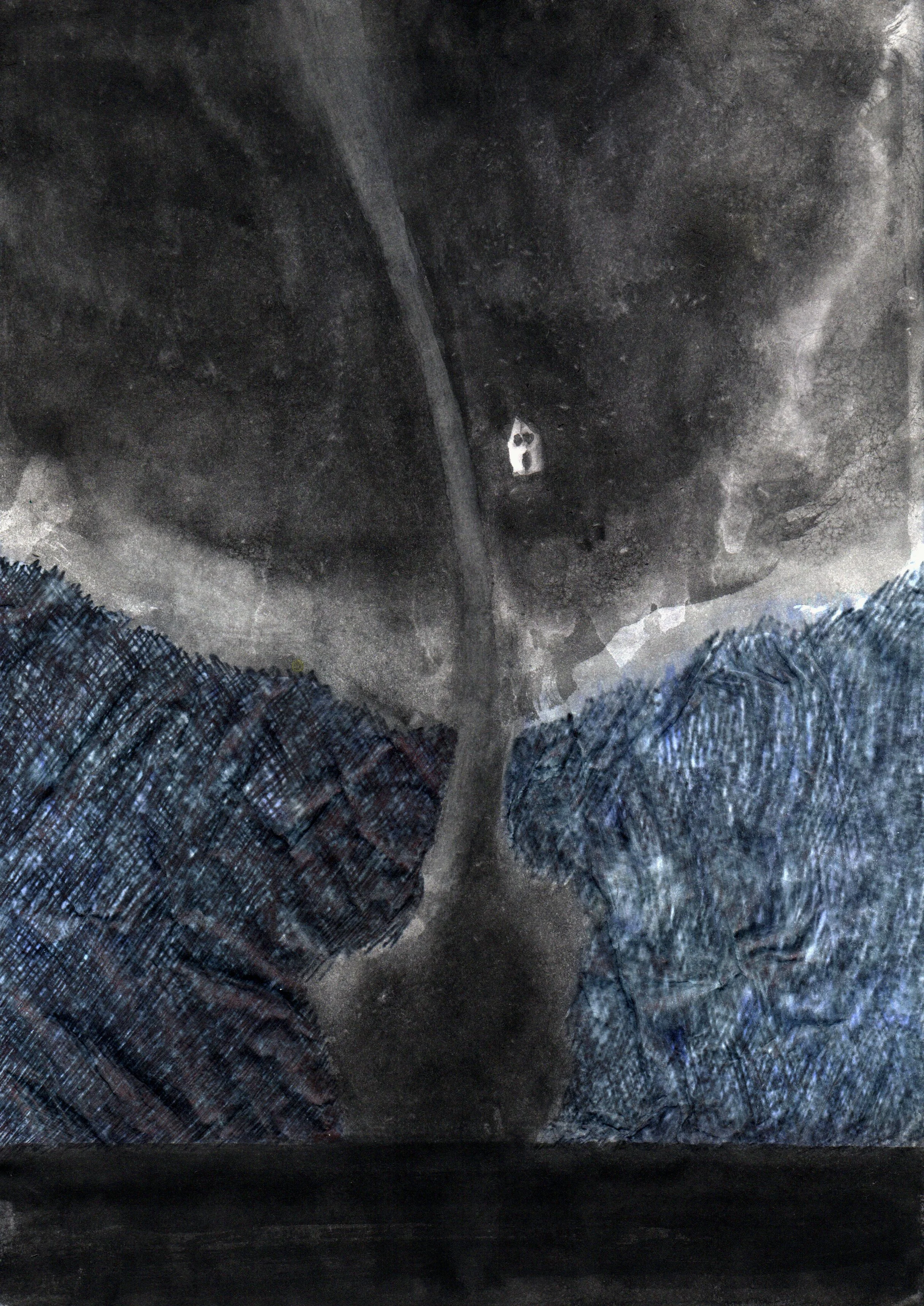
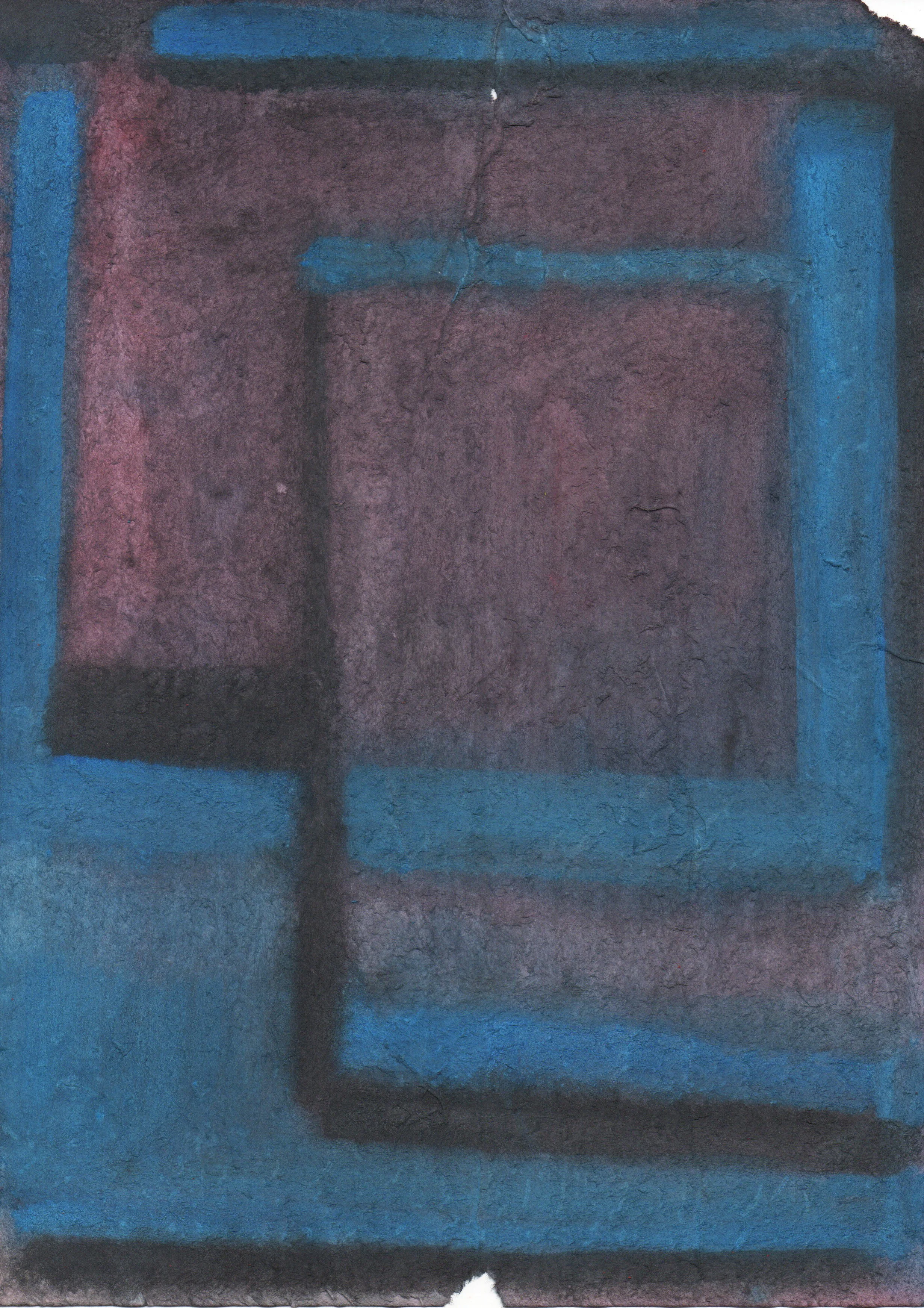
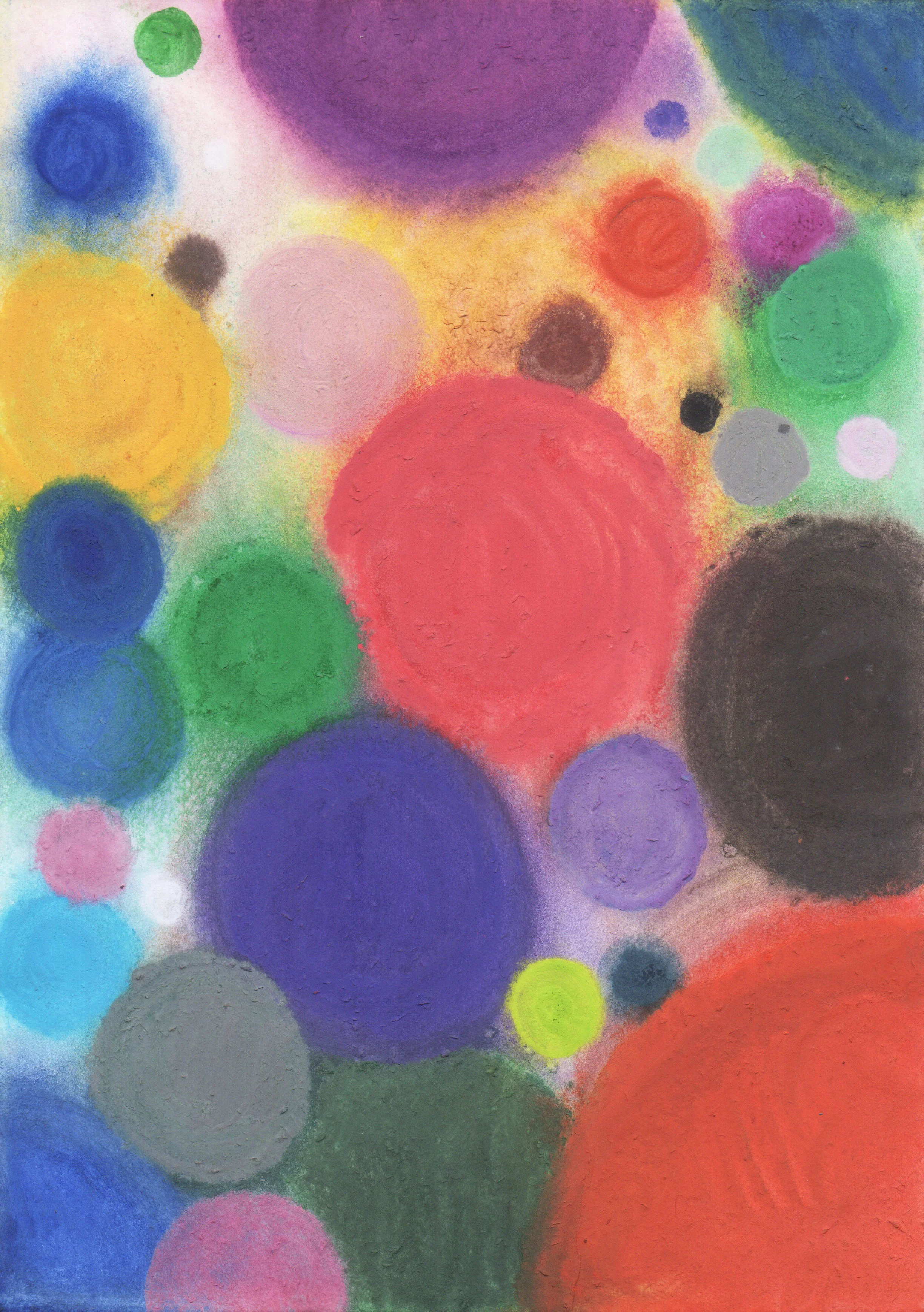
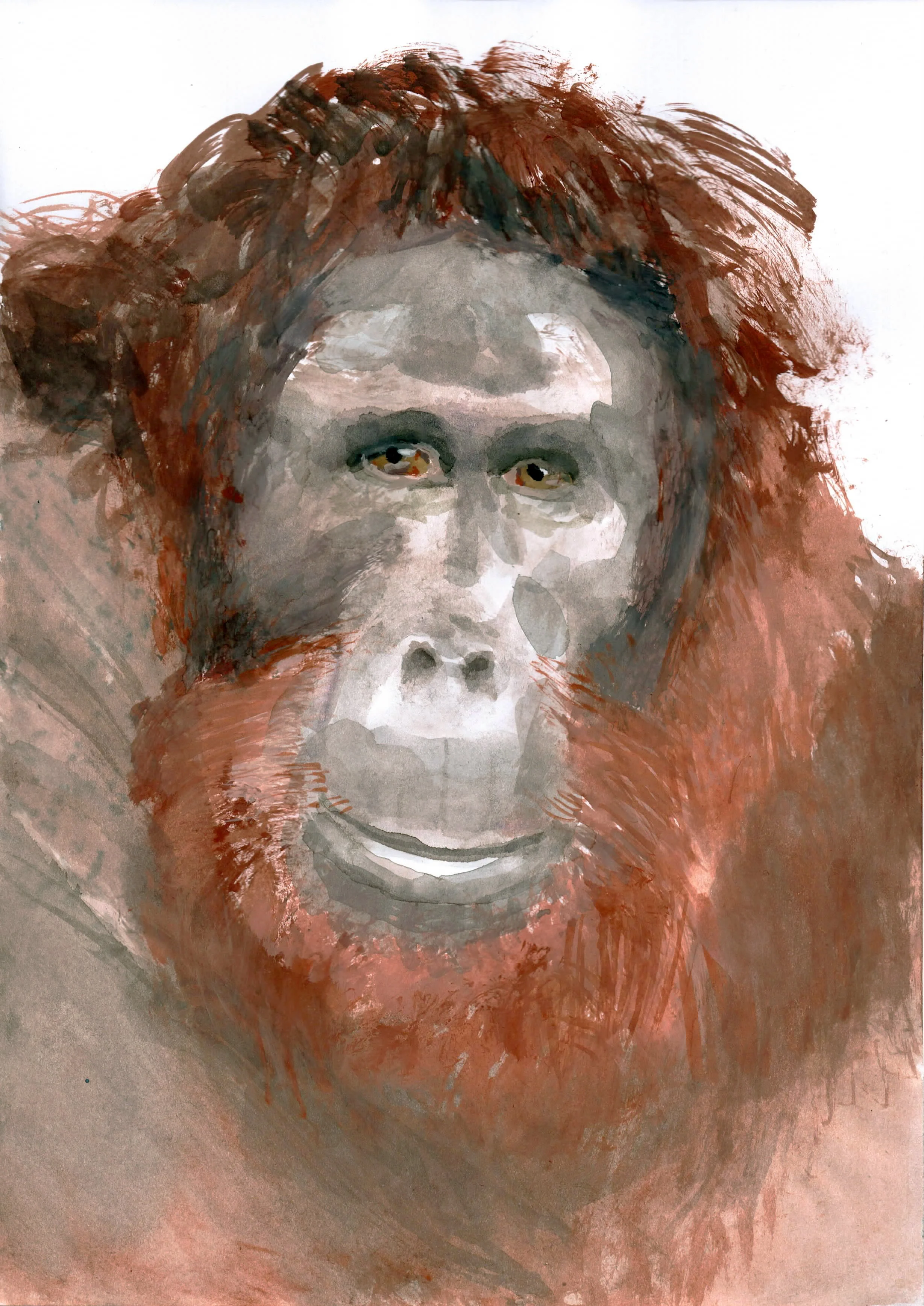
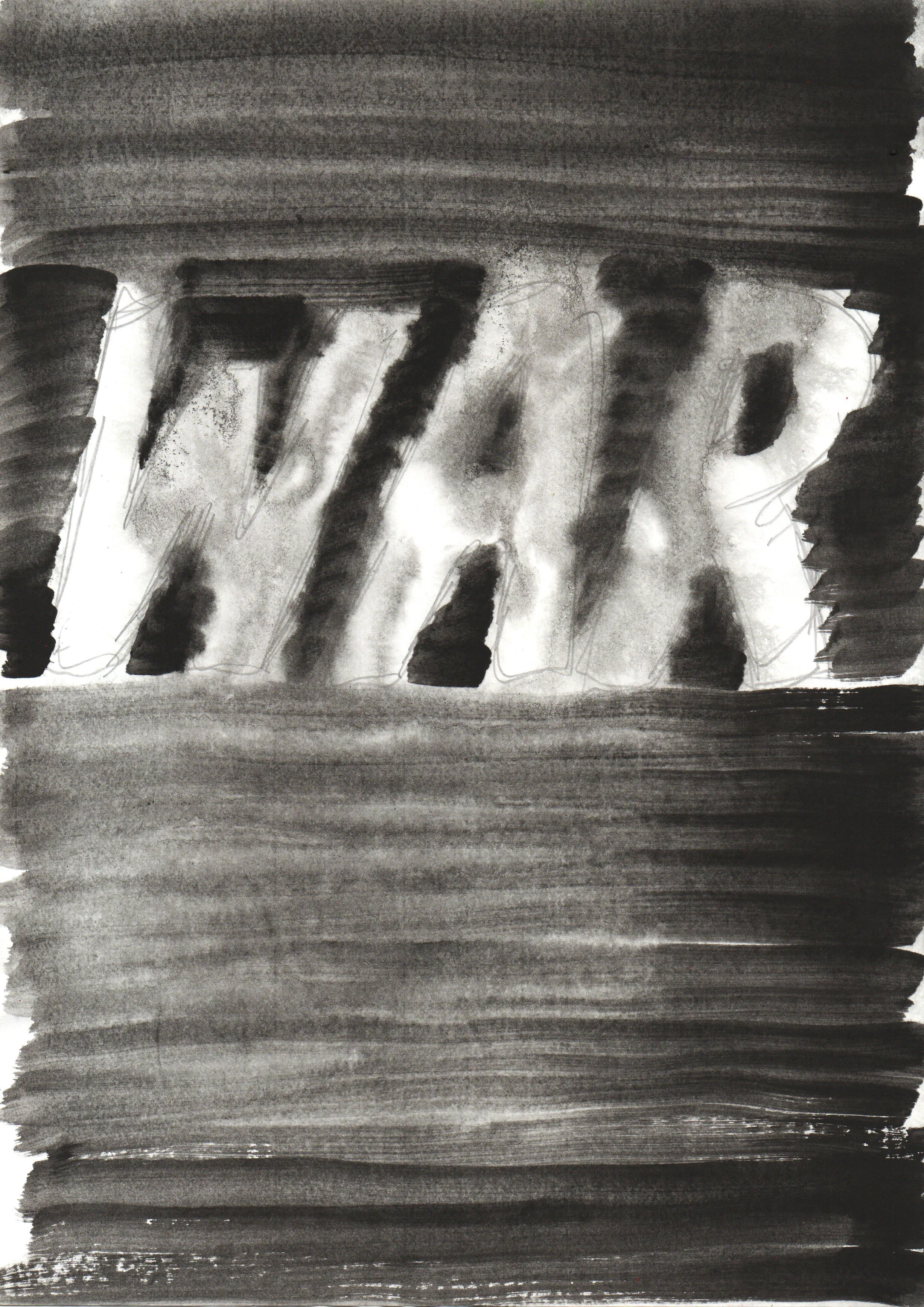
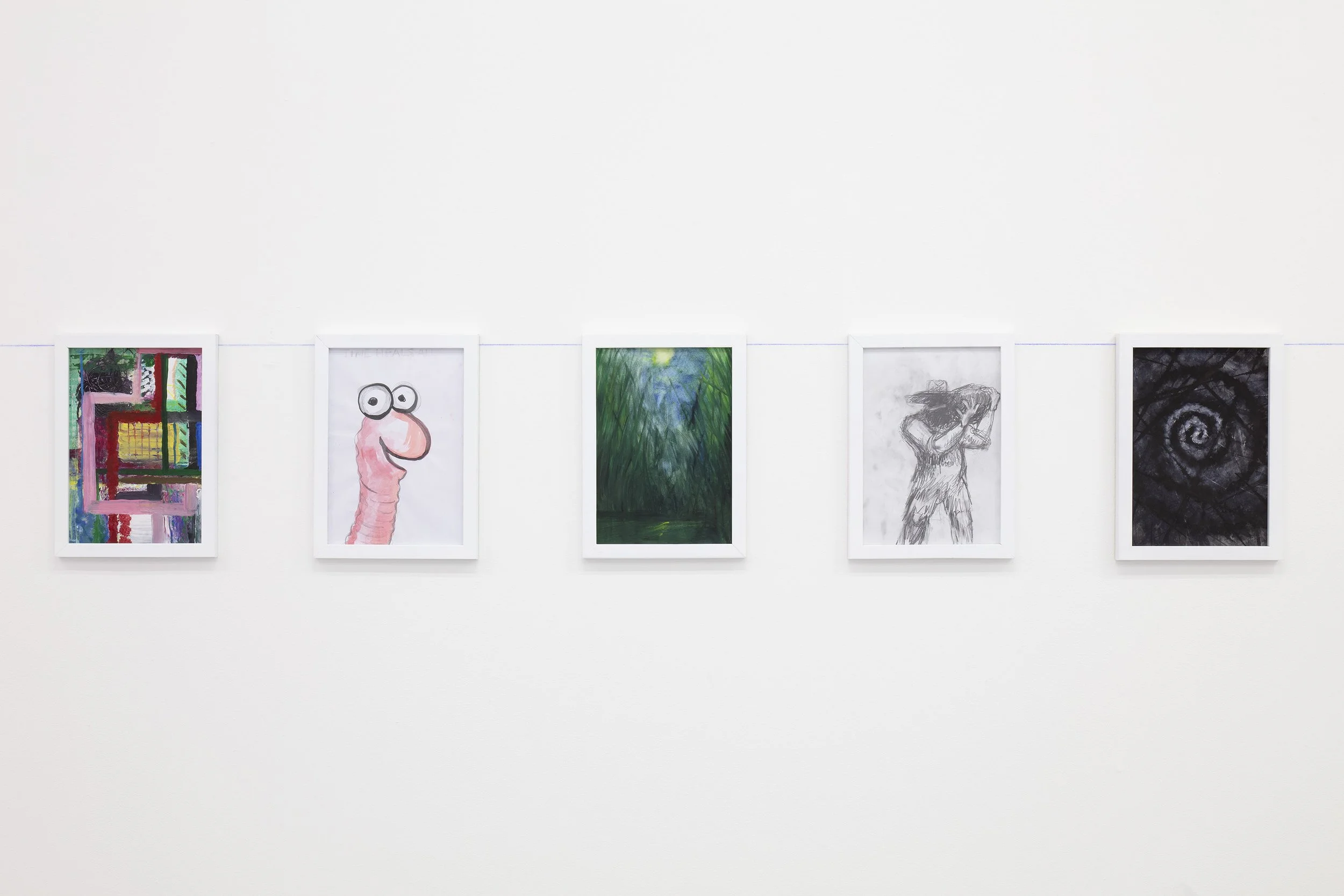
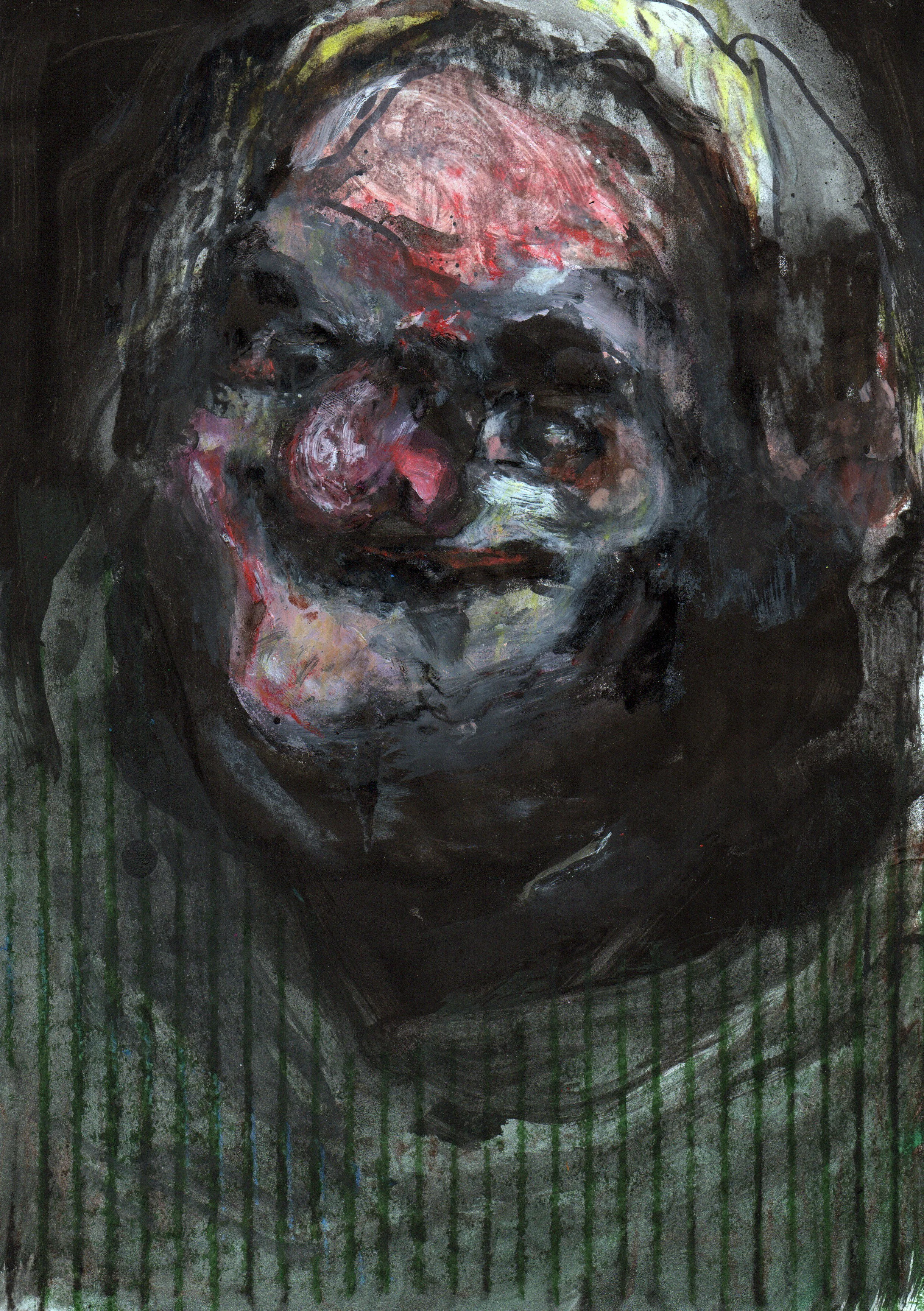
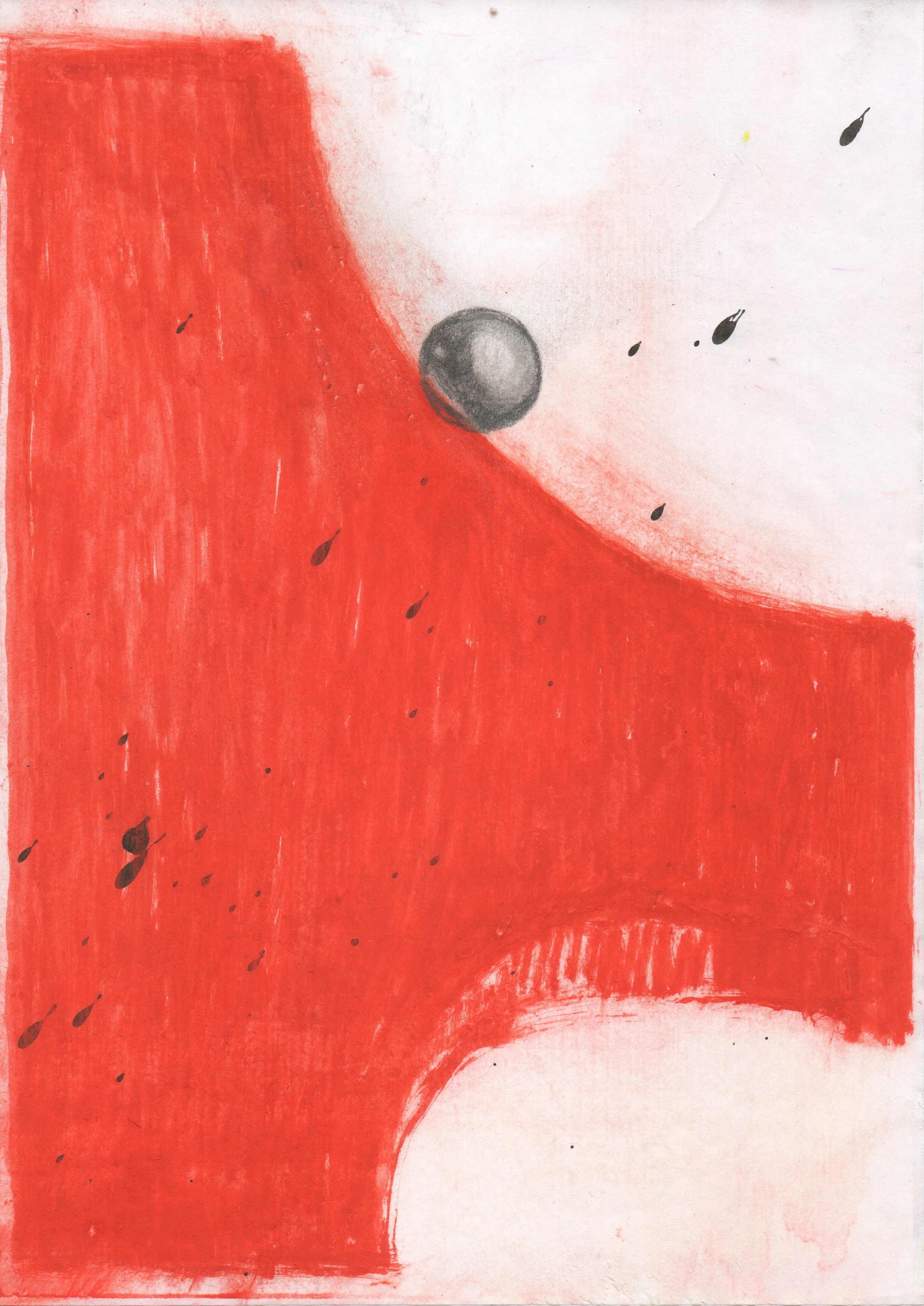
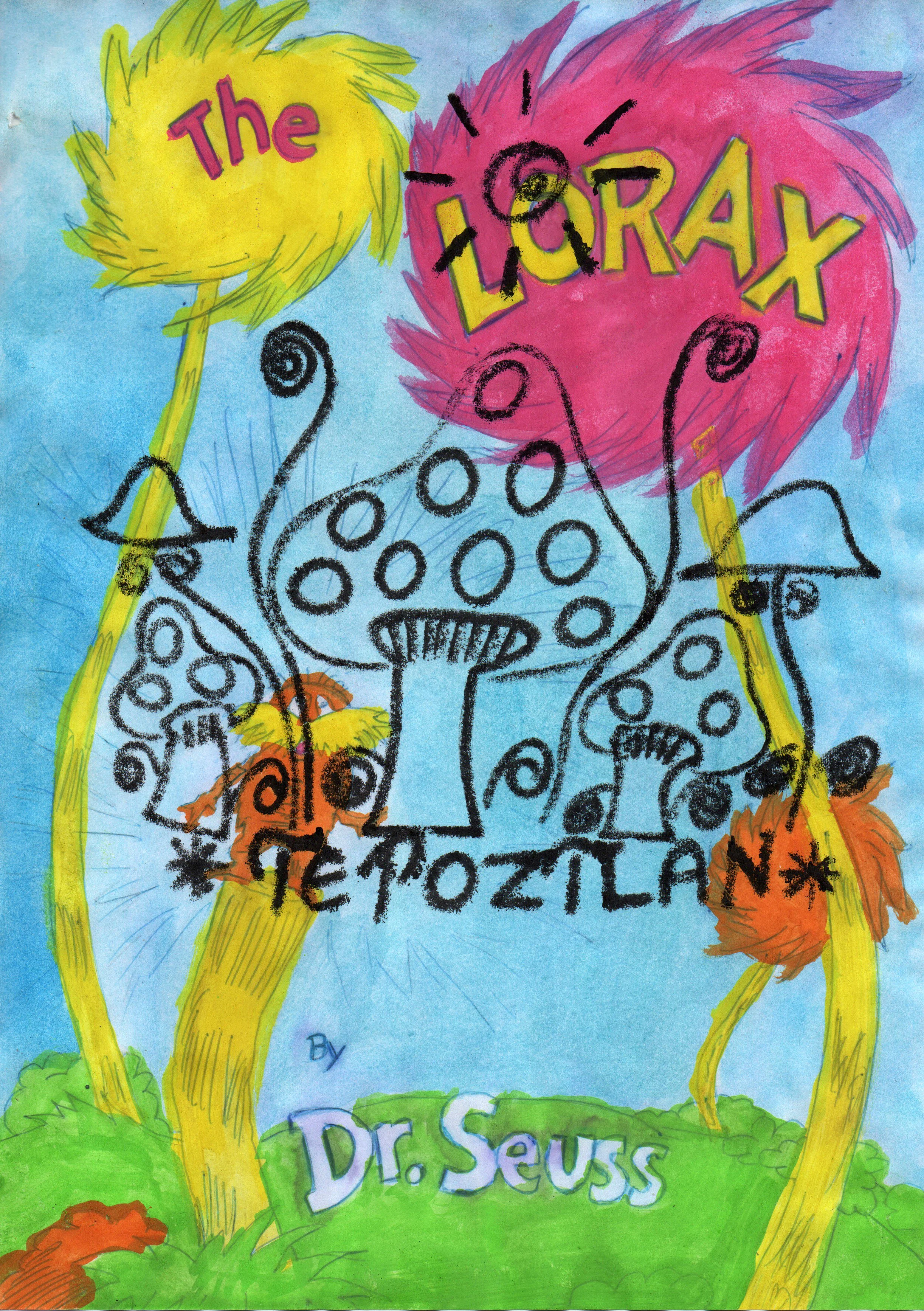
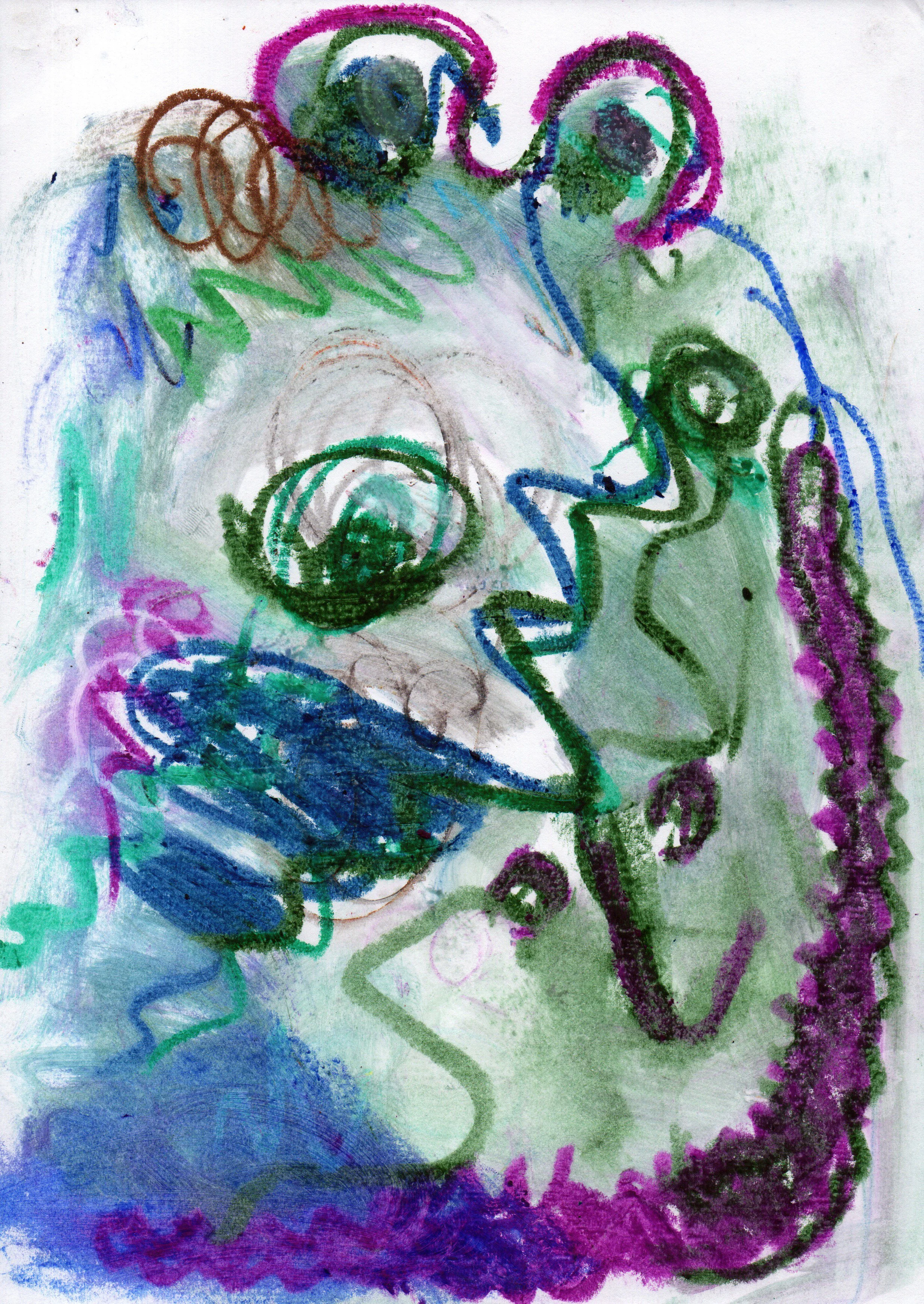
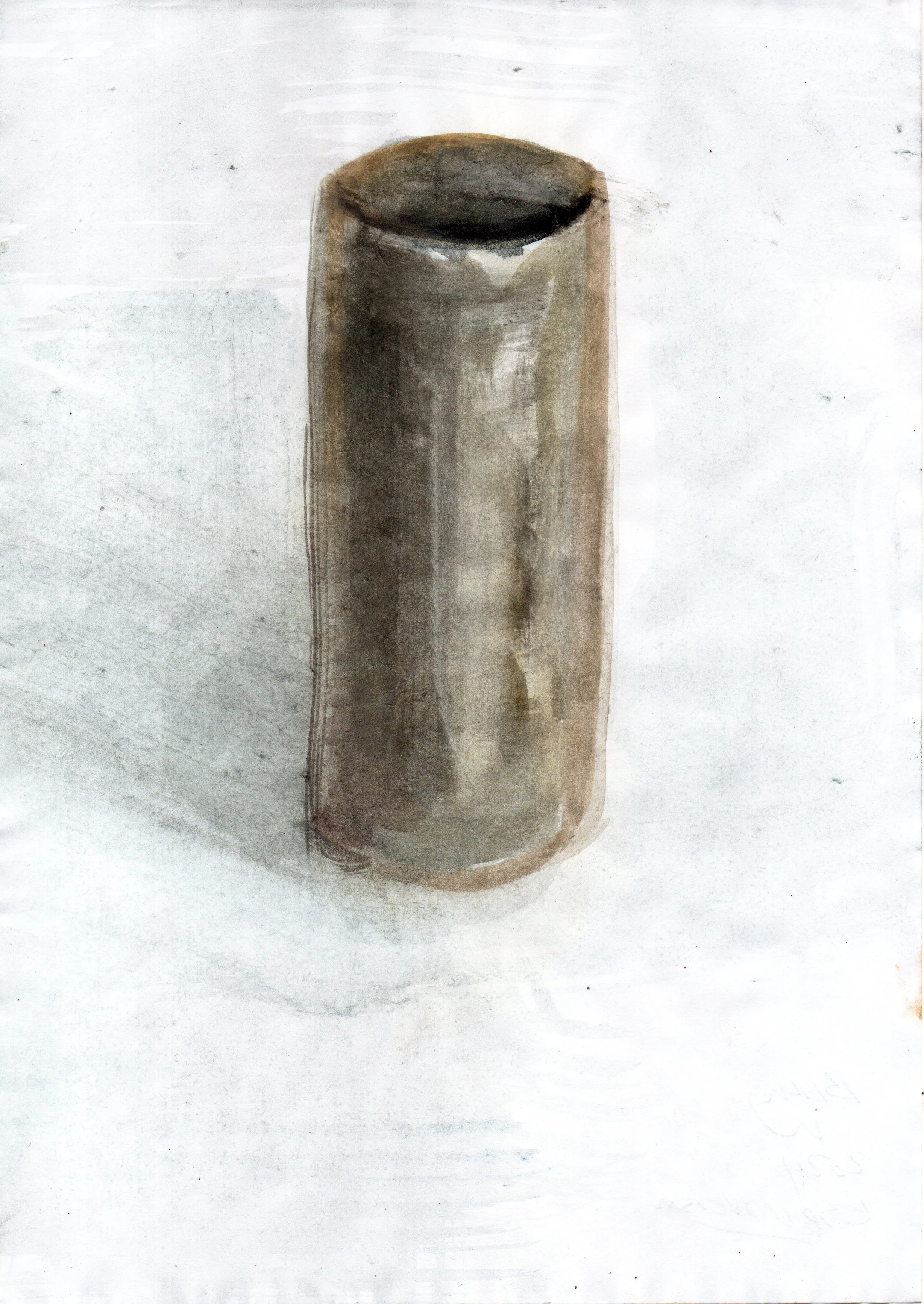
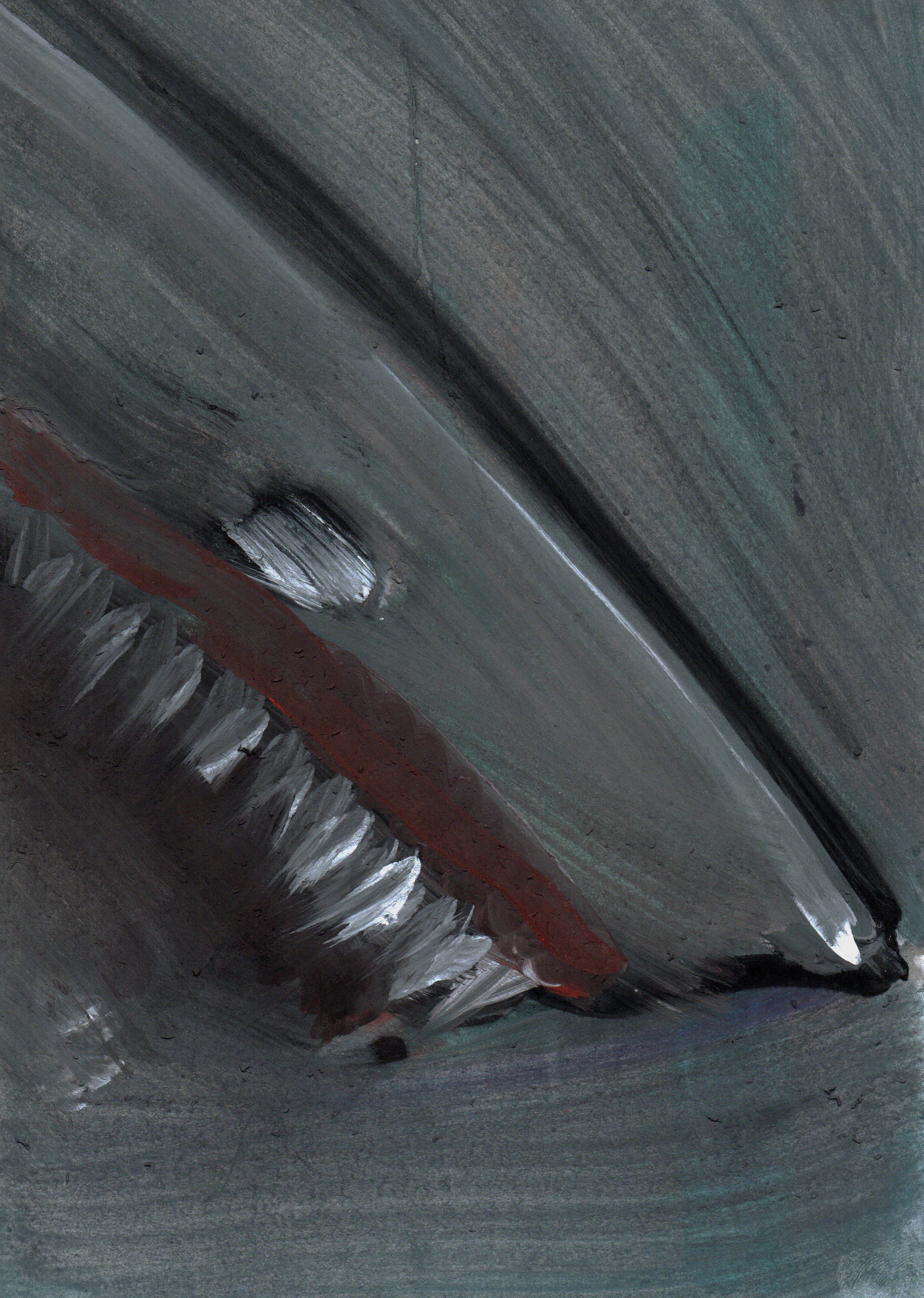
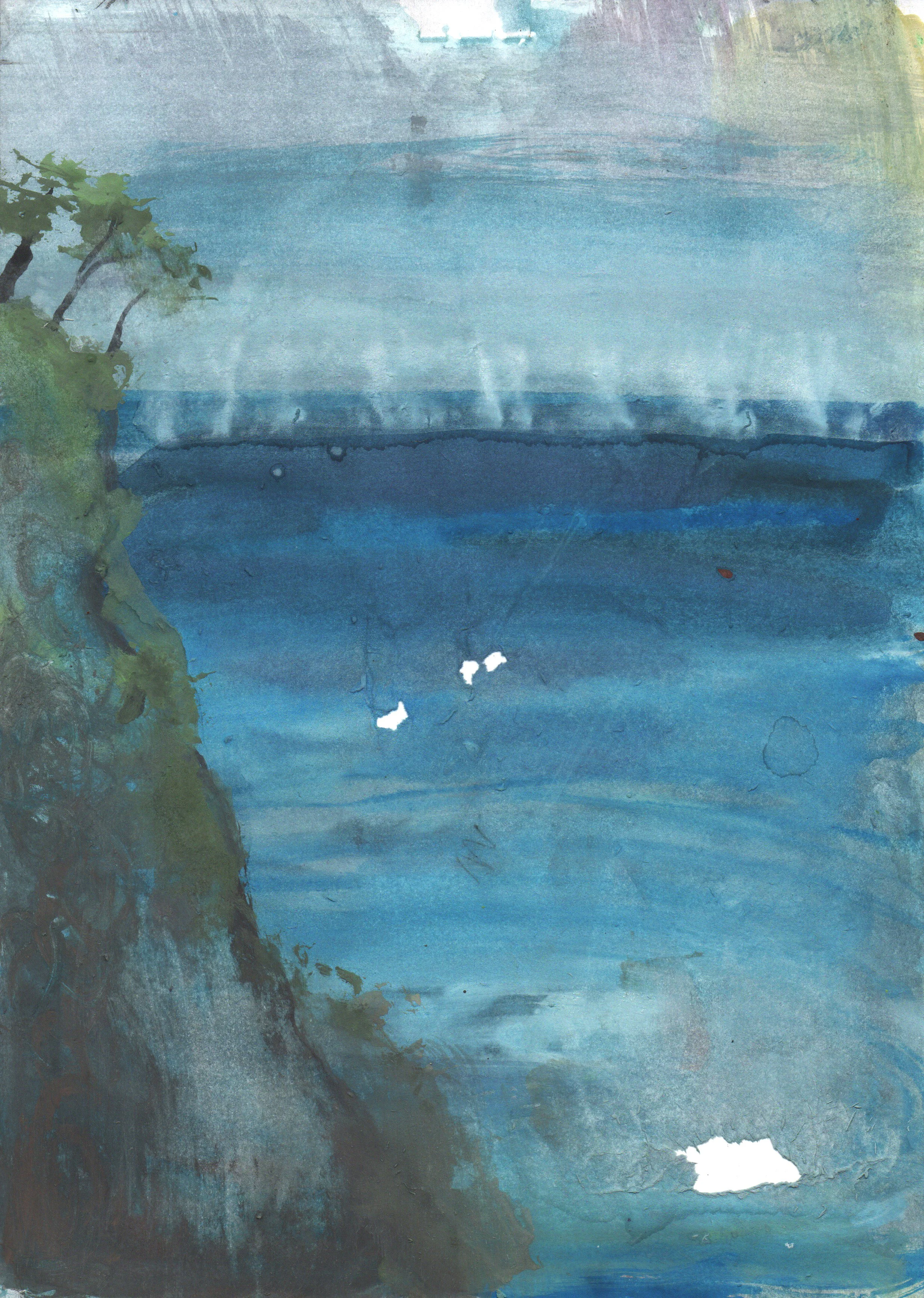
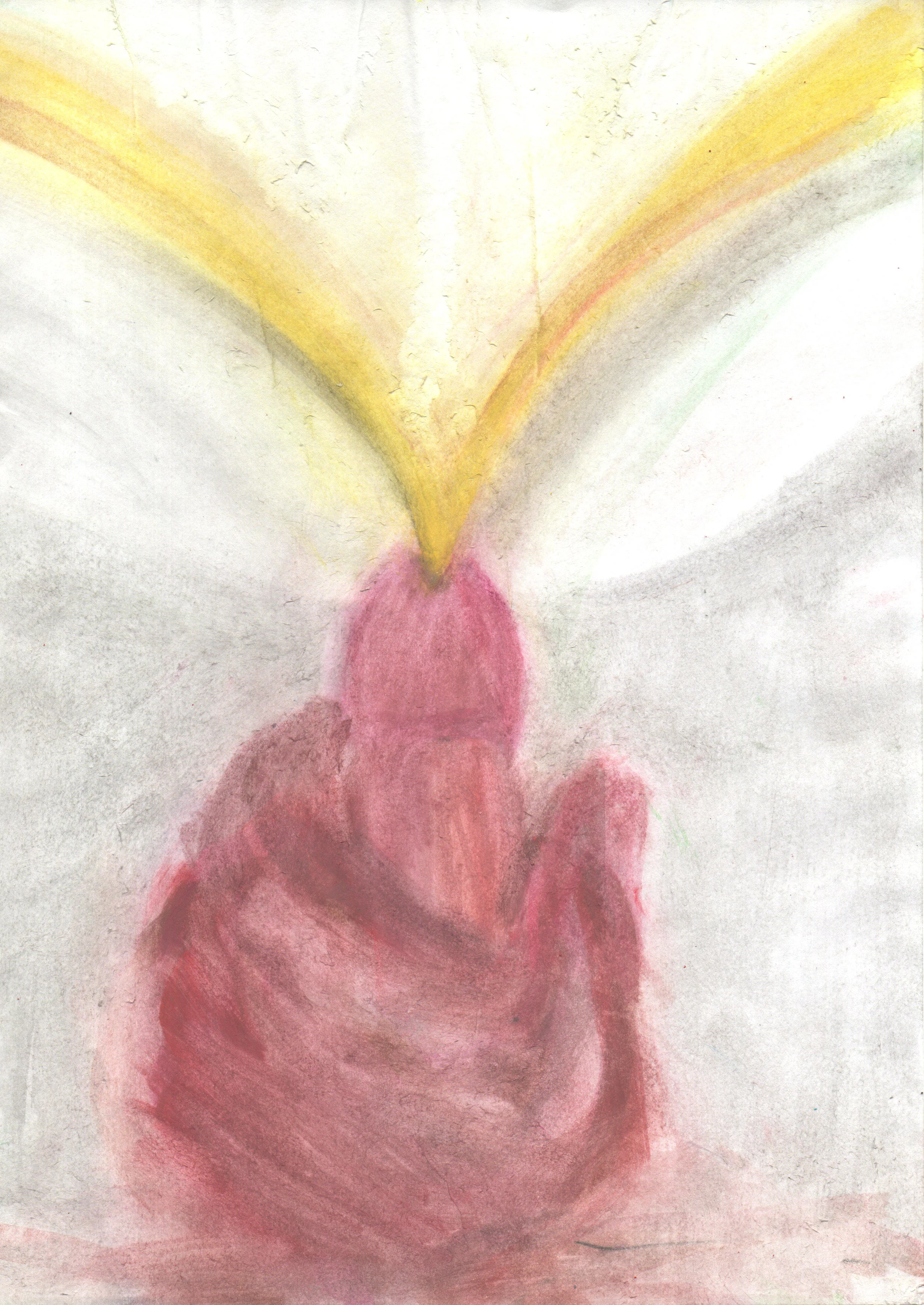
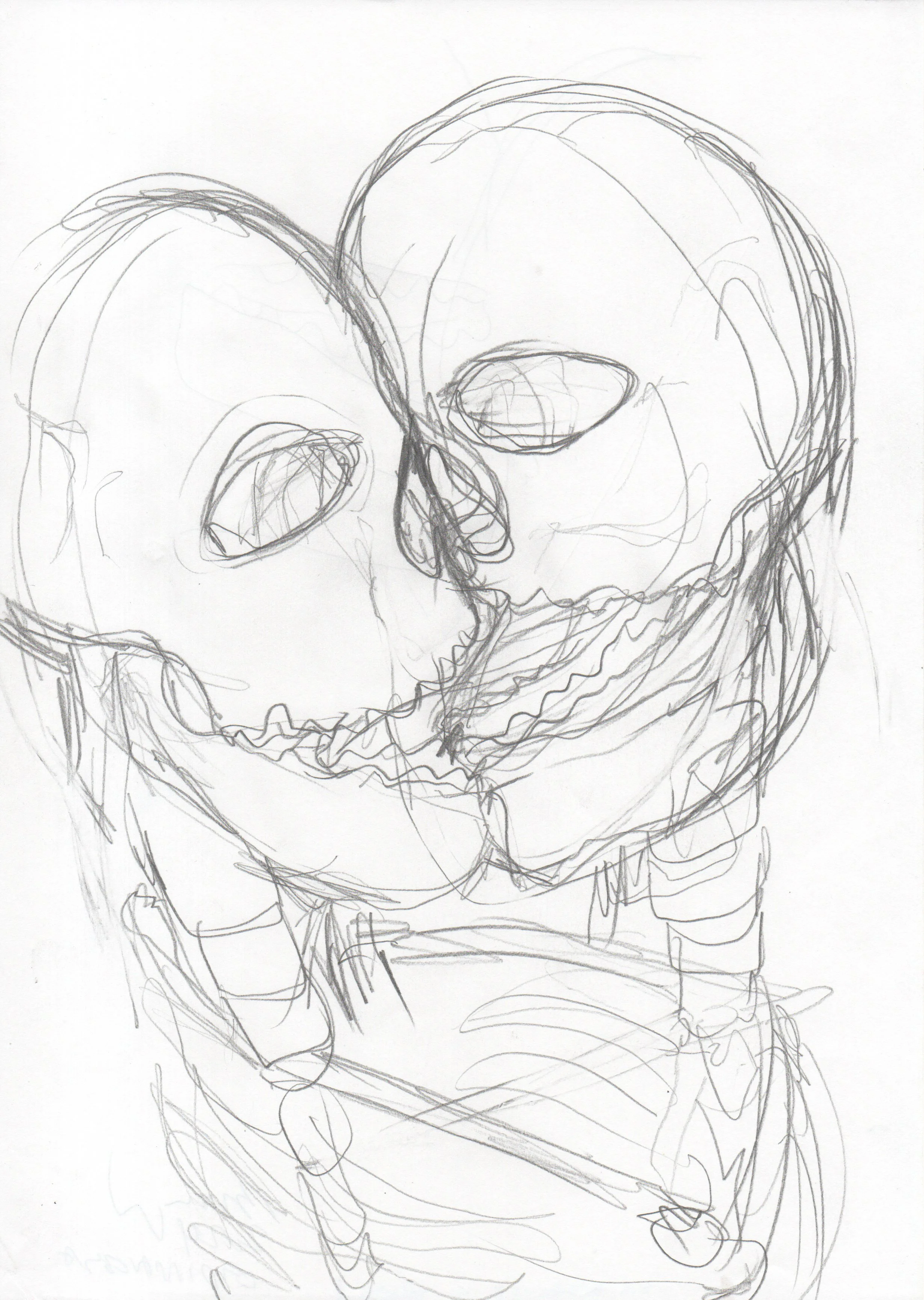
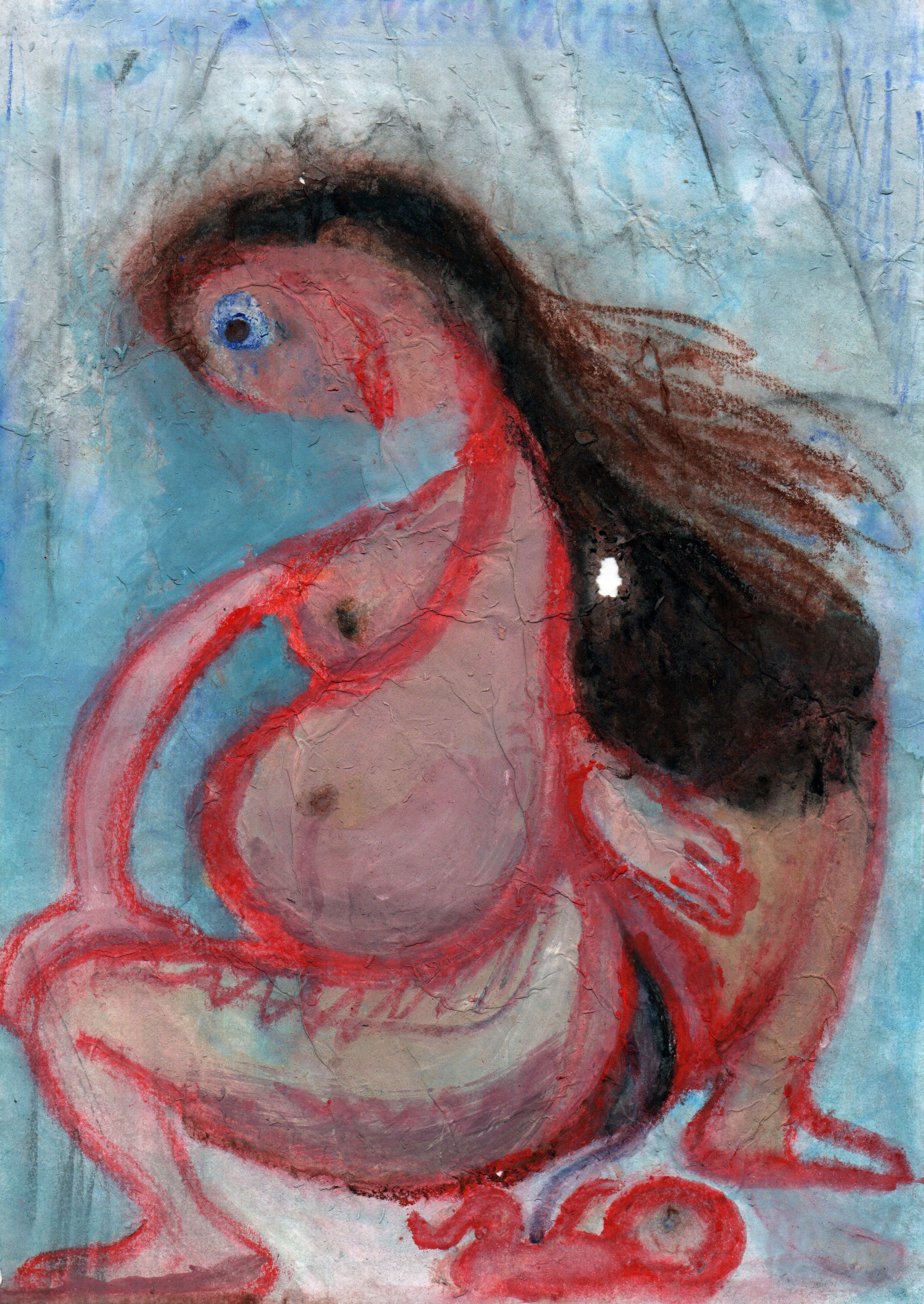
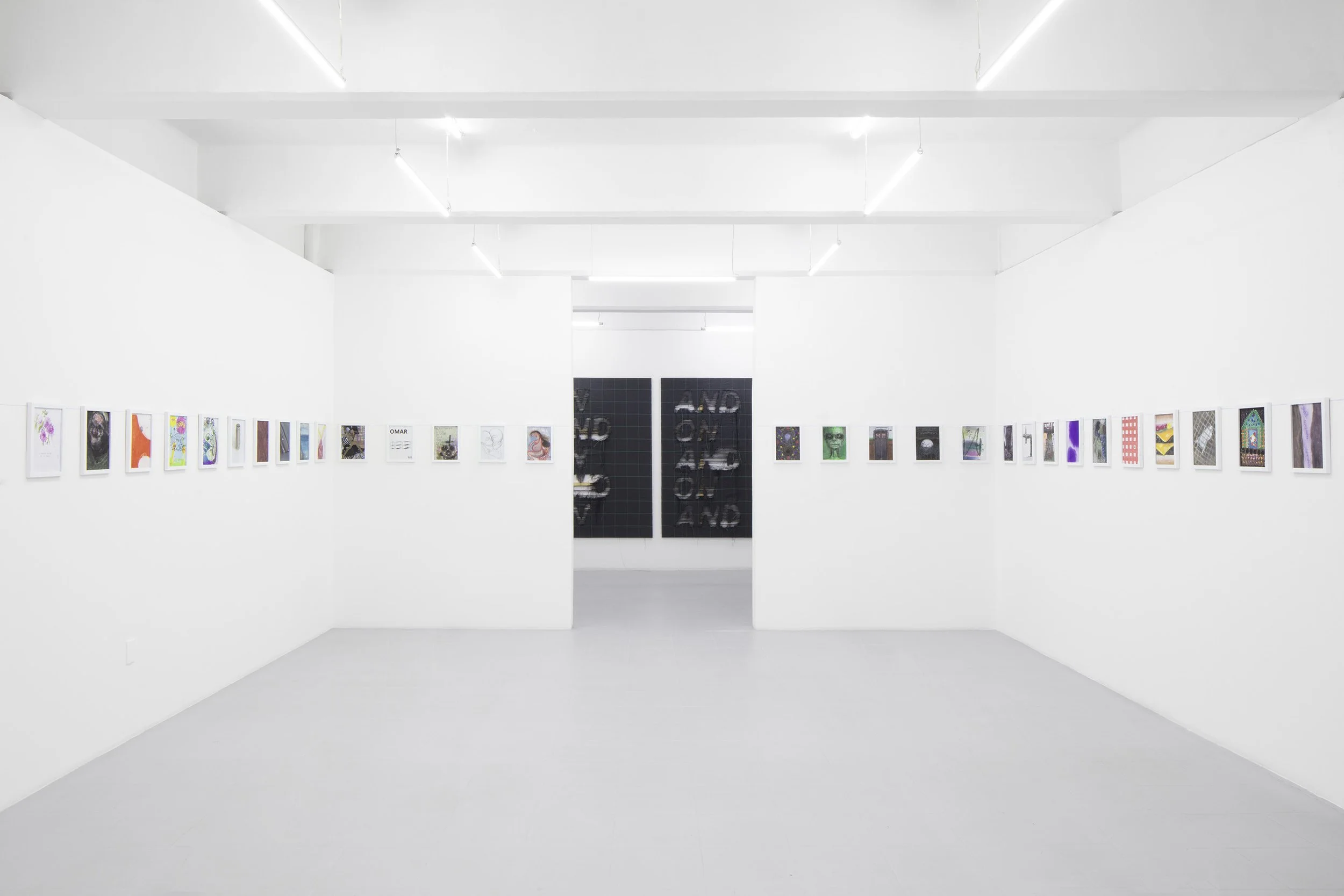
In the main hall, and presenting for the first time the magnitude of this long-term latent project, the endless collection of Watercolors on paper extends as a reiterative exercise in elevating the unexpected symmetry of trivial equilibriums to an ever-unfinished conversation about the transcendent. Each piece contains not only a fragment of a story seen through a microscope, but also the contingency of the millions of potential narratives that emerge in the relationship of one fragment to another.
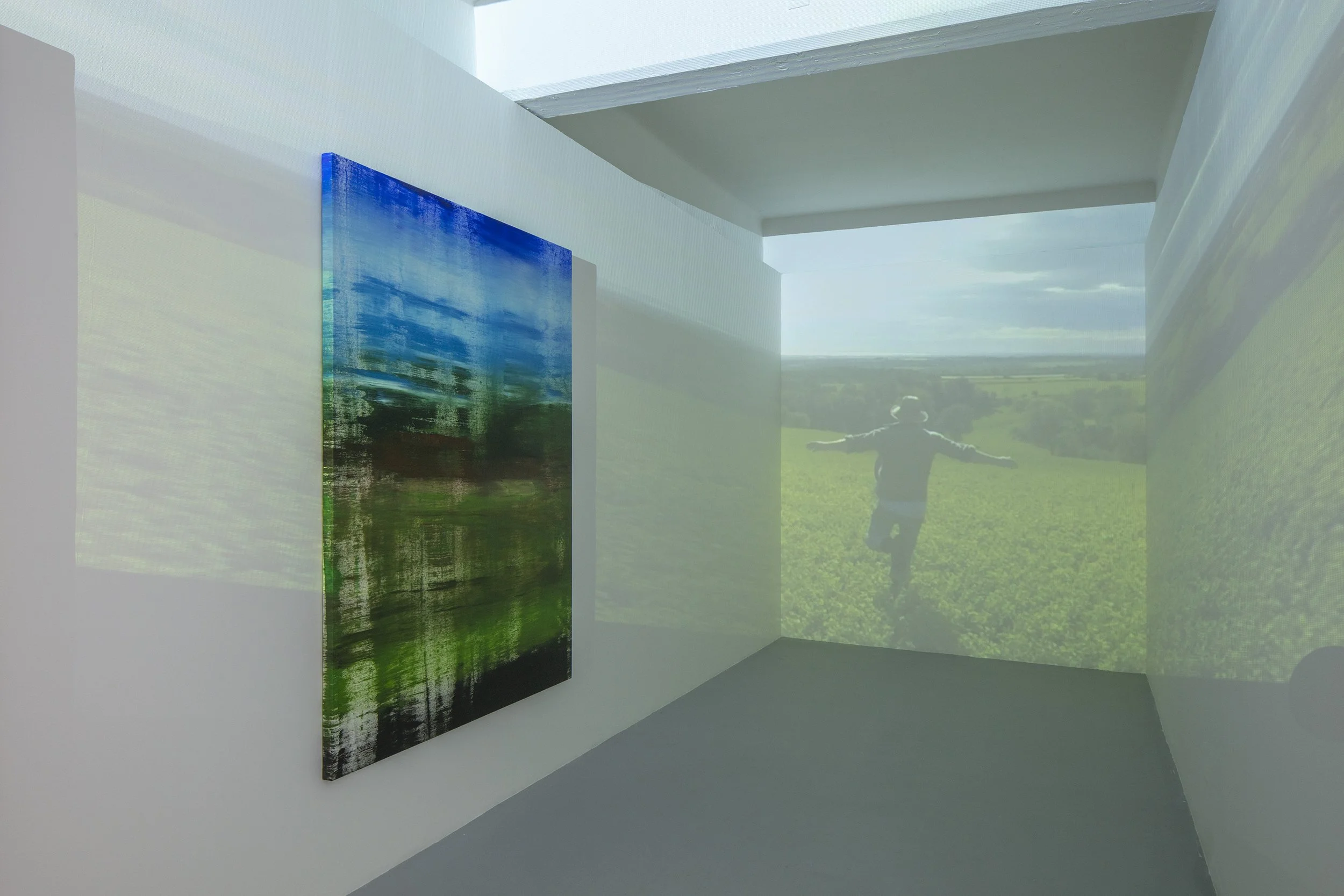
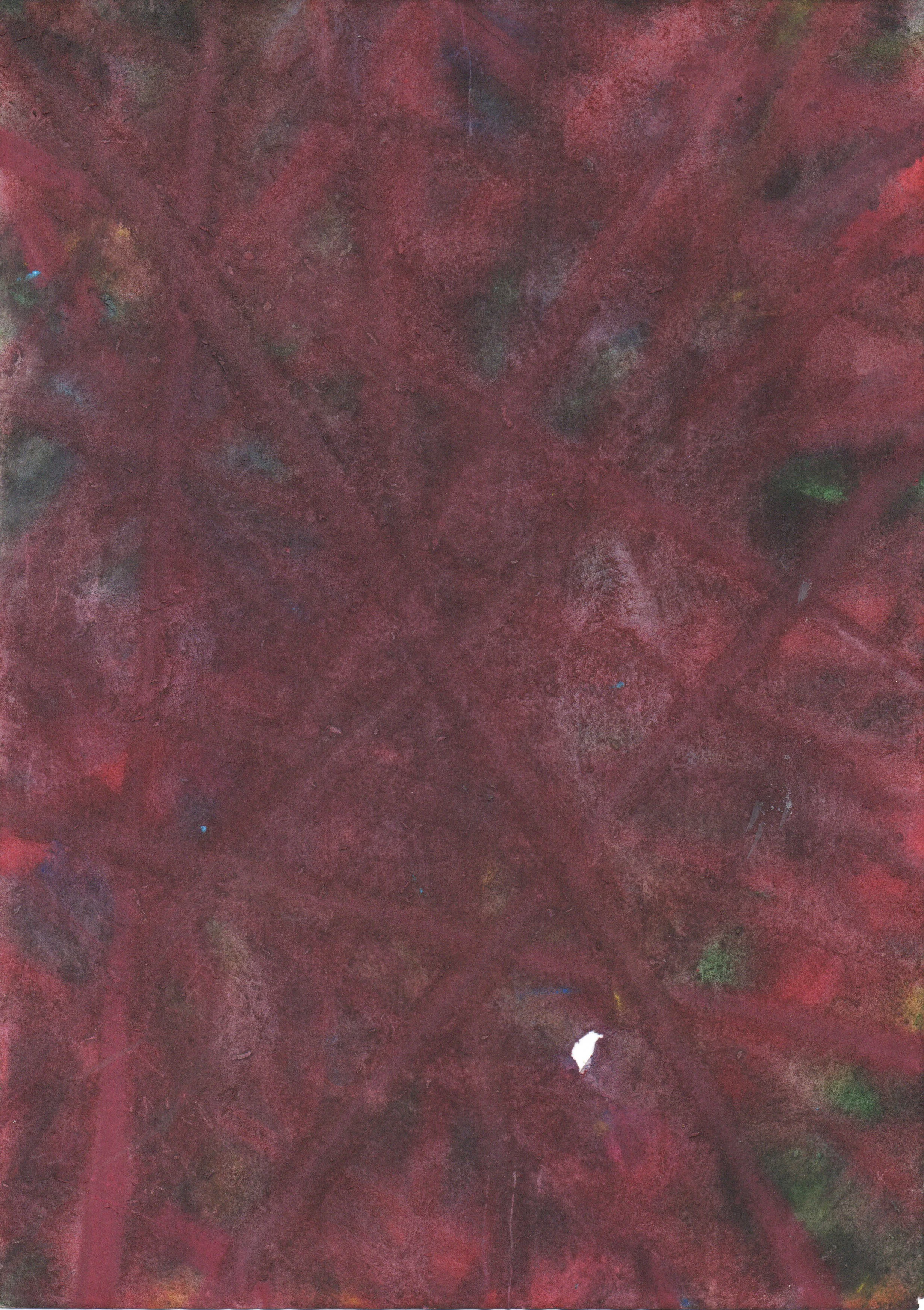
Spin paintings closes the trilogy with the repeated action of spinning until you lose your way, until the body falls, overcome by the hazy confusion of the landscape seen at high speed. Here, the point of view is reversed, unlike in Borges's story: now, the eye is the point that turns, avoiding capturing the image of reality in a fixed and motionless impression, but instead seeking clairvoyance through disorientation.
-Sira Pizà.